Leaderboard
-
Deej
Burnt Ends30Points42952Posts -
SydneyCarton
Certifiably Surly23Points22435Posts -

Brisketexan
Legacy Members23Points56128Posts -
Anastasis
Certifiably Surly23Points32687Posts



Popular Content
Showing content with the highest reputation on 05/10/20 in Posts
-
18 pointsi literally hate his fucking guts. i wish he would die, for the good of the country and the world. i said it.18 points
-
17 pointsJalapeño Cornmeal waffle covered with crawfish/queso sauce: Pizza rolls: Boudin stuffed pork tenderloin:17 points
-
12 pointsSome people call me the space cowboyYeahSome call me the gangster of loveSome people call me Morice'Cause I speak of the pompatus of love12 points
-
11 pointsWife: (local lawn guy) came and mowed. I didn't have any cash. Can you pick some up after work? Me: It'll be late. Just go to the atm. Wife: I don't want to take the kids into the gas station and I'm not leaving them in the car alone. Me: Just run to the bank down the street and use the drive-thru atm. Wife: Oh yeah.... What time does the bank close? Me: Why would that matter? Wife: I don't want to drive over to use the atm and find out they're closed!11 points
-
10 points
-
10 points
-
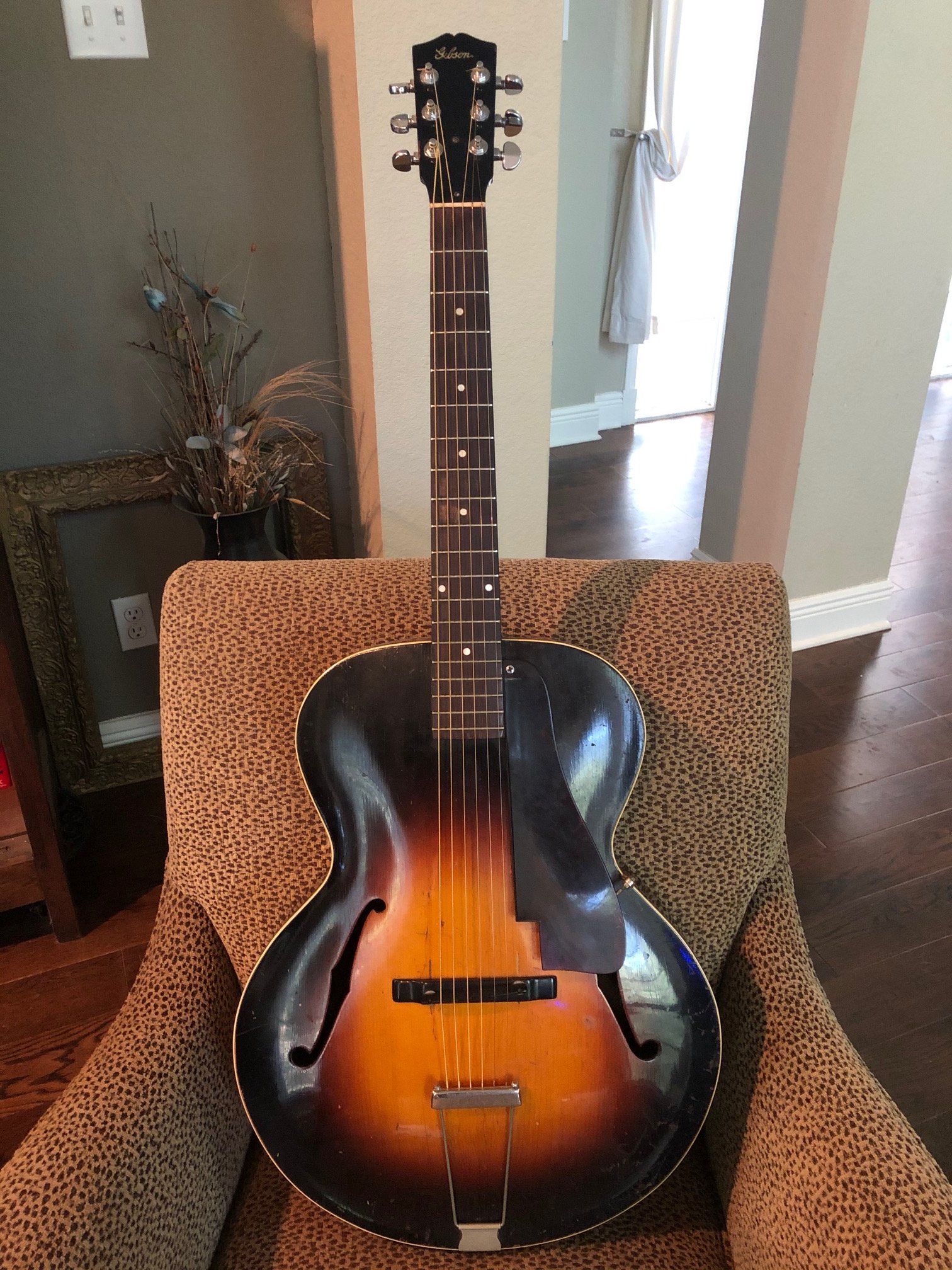
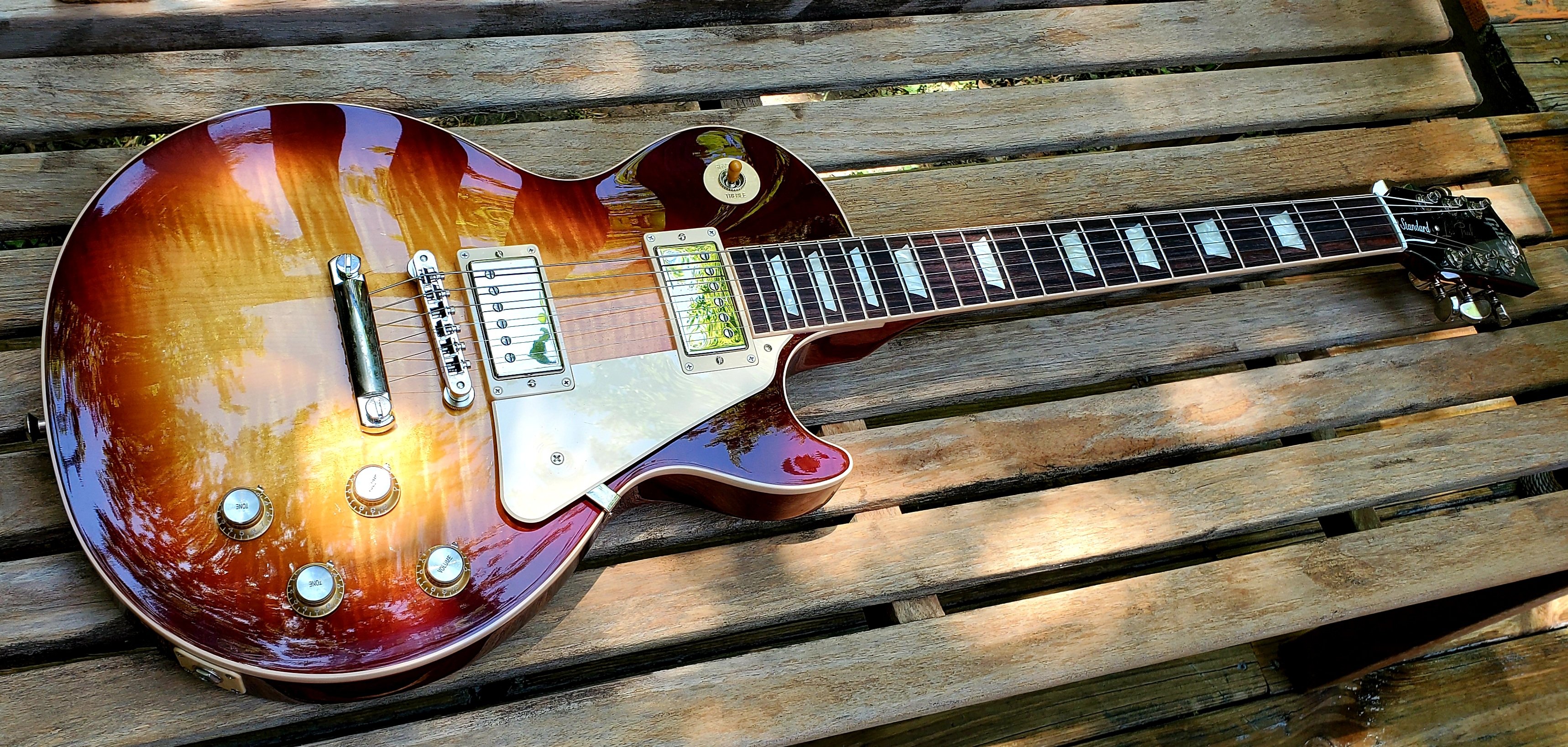
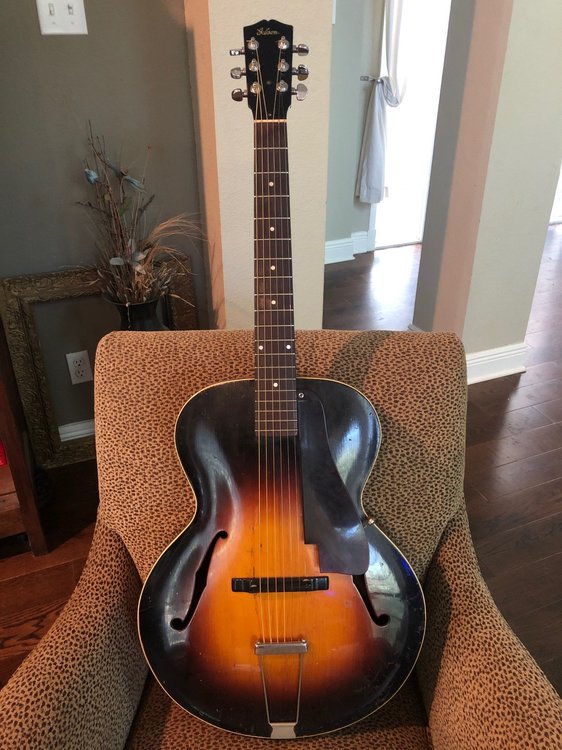
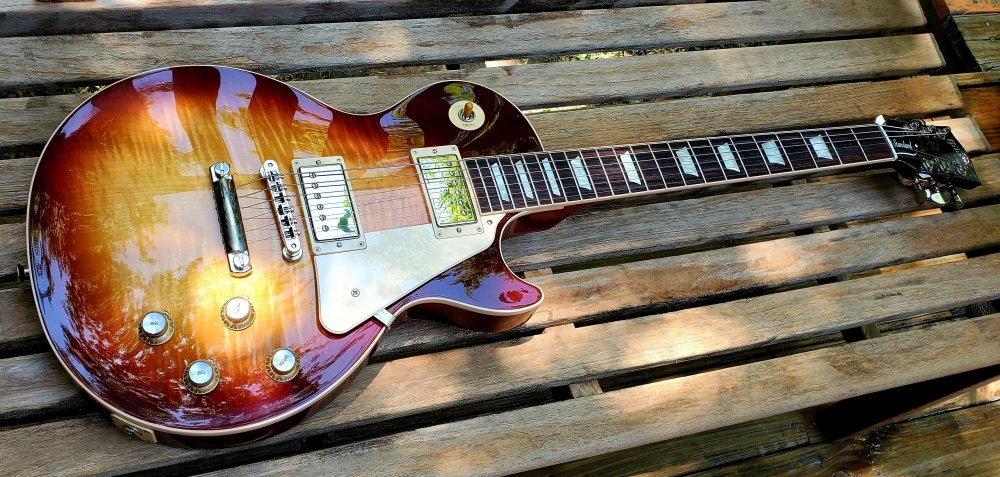
10 points10 points9 points9 points9 pointsFoxs News has won. Slowly and steadily, over 20+ years, they convinced millions of people that the "liberal media" was lying to them, but Fox was "fair and balanced." If you can convince people that you're the only source of the truth, then the truth becomes whatever you want it to be. They applied the religion model to news, information, and politics. And it worked, because about a hundred million American adults are irredeemably stupid.9 pointsYou're upset there's not long threads every time someone gets murdered? Let's differentiate the circumstances between these two events. Your link involves a murder of an old white woman by a black man who worked for a cable company. The motive was robbery; she wasn't hunted down because of her race. Obviously that doesn't make it okay, and it is a tragedy to this woman and any family and friends of hers and something that shouldn't happen to anybody. The article is short on all the details, but it appears he was identified and arrested within a couple of days and charged with capital murder. Not exactly 12 pages worth of discussion there, but nobody ever stopped you from making a thread that probably would have seen some views and a few "T&P's" posted. Contrast that with this story. Now, we're talking about two white men who hunted down a guy who was simply jogging through a neighborhood when he was chased down in a vehicle and gunned down in murder. Possible flimsy motive that maybe he stopped and looked at a construction site, or there was a break-in in the neighborhood at some point with somebody who may have also been black. Actual motives seem to be racial. However, in this case it took over two months and this story becoming viral nationally before the men were arrested and charged. The original DA shrugged and looked away. That is worthy of discussion and why there is 12 pages on this. That is where the outrage comes from. If these men were arrested in February on site, there probably wouldn't be a thread. I'm also guessing that if there was a thread about the poor old Las Colinas woman who was murdered in your link, there wouldn't be a handful of posters saying, "Maybe we shouldn't rush to judgment before we see all of the facts or the video. Maybe he had a reason to murder and rob the old white lady." Selective hypocrisy is a thing. Hope this clears things up.9 points8 points“Guys, I’m not saying he’s coming here. So dont take this to mean I’m saying Zach Evans is going to commit to tcu. But, I’m saying that unprecedented recruiting news for TCU might be on the way and it might be happening very soon, and I’m definitely in top of it and am jerking off as I type this with one hand because it’s Zach Evens and he’s committing to TCU and I’ve said it every possible way except literally saying it in this post.”8 points8 pointsSmoked some chicken and made banana pudding Sent from my SM-G973U using Tapatalk8 points8 pointsThis is how numb we are as a country. The President, during a national pandemic and when the death toll is about to pass 80,000 ppl, just tweeted an advertisement HIS eponymous company that he never dissolved his interest from.... and no one is going to do shit about it.8 points8 pointsYou don’t have a YouTube video so I don’t believe you.8 points8 points8 points7 points7 points7 pointsIf that lady ends up getting $500k for giving Ted Cruz covid I’d say she earned it.7 points7 points7 pointsNot sure why the mods keep nuking the crowd shaming of the ephebophile. They leave his posts of 16 year old girls up on the thread but nuke the ones pointing out the creep.7 points7 pointsI'll mention one thing. The governmental ethics laws in this country generally do not apply to the President, rather to congress and agency officers/members. The one exception is the Emoluments Clause. But the thing that people don't anticipate is that many/most provisions of the Constitution are not "self enforcing." Which means that an individual or entity can't sue the government or a governmental officer and say "you are violating the Constitution." Usually, there needs to be a law made pursuant to the Constitution, that defines who can sue and how. None has been made respecting the President, which is why the Emoluments cases haven't gone anywhere,yet. They present tons of novel issues and because Emoluments isn't the subject of an "enabling act" or similar, viewed with some skepticism by the courts. Because the preceding paragraph will freak a lot of people out, let me give you an example. As a general rule, you can't sue the government for making a law that abridges your speech (1st Amendment), or infringes your right to bear arms (2nd Amendment), or subjects you to unreasonable search and seizure (4th Amendment), or deprives you of your right to trial by jury (7th Amendment), despite the fact that that is exactly what those amendments say the government can't do. Without enabling legislation, what those provisions provide is a DEFENSE against the government attempting to take those actions against you. If you look at the many cases on those amendments, Congress or someone made a law, accused someone of violating it by criminal or civil action, and the case presents the constitutional issue as a matter of defense: you cant do this to me because your law violates the Constitution. In other cases, Congress has created a law that permits individuals to sue for violations of their civil rights, usually pursuant to the 14th Amendment. Until Congress passed those laws, people couldn't sue the government for doing exactly what the 14th proscribes. By its nature, action violating the Emoluments Clause hasn't been taken against a citizen, providing the citizen with the opportunity to raise the constitutional defense. So it hasn't come up that way. Of course in 200 plus years and 45 presidencies, we've never had much of a need for ethics laws applied to the President, or an explicit application of the Emoluments Clause: the dignity of the office and respect for it by Presidents created substantial compliance. Until this fucking guy.7 points7 pointsUnbelievable sad that the incessant grift/sales pitch that violates enough ethics laws to land Walter Shaub in a state of permanent HBP is the new 'normal.' I see this and am appalled but place this in a right leaning message board and many will say, 'what a wonderful businessman he is,' and never stop to consider how and why this is wrong on multiple levels.7 points6 points6 pointsHappy Sunburst Sunday AND GibSunday! Late 30's or Early 40's Gibson L-50.
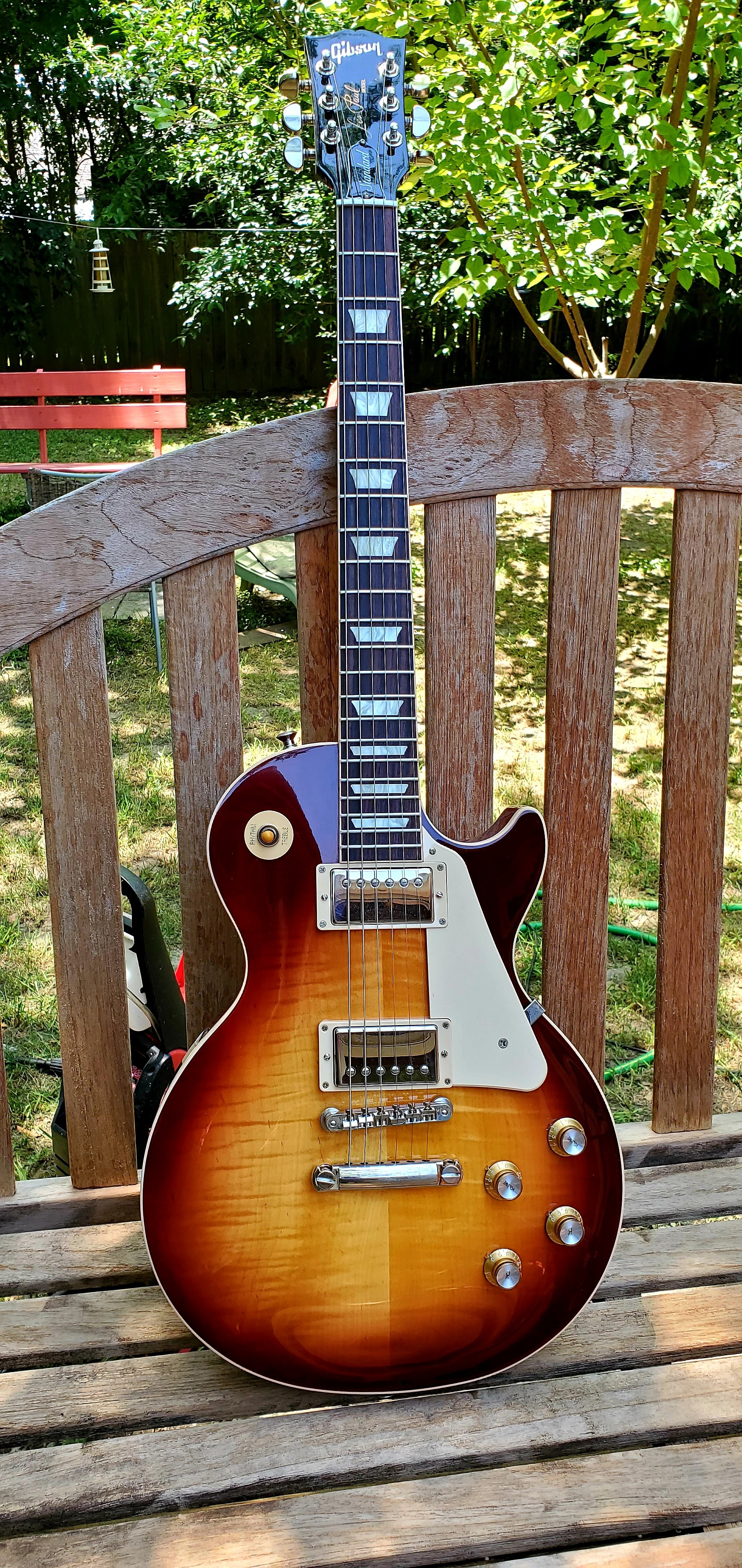
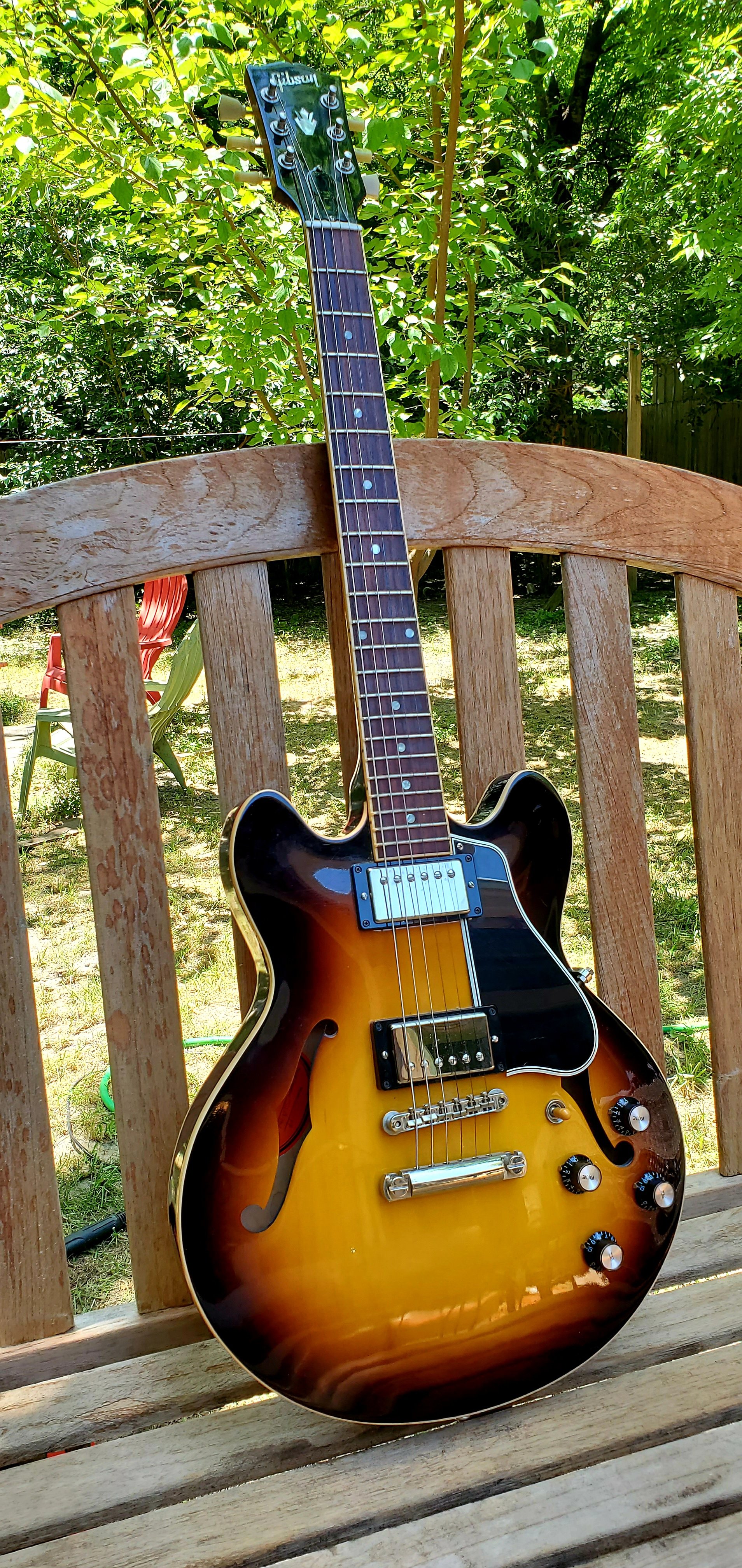
 6 points6 points6 pointsMother’s Day, Quarantine style Chicken and waffles (Cook’s Illustrated yeasted waffle recipe is the best IMO), Andouille breakfast casserole, Cheddar biscuits with chorizo gravy French 76 Texas Sheet Cake6 points6 pointsGoredho inspiring me to get some pics in natural light for GibSunday. Plus, I think we got them at the same time.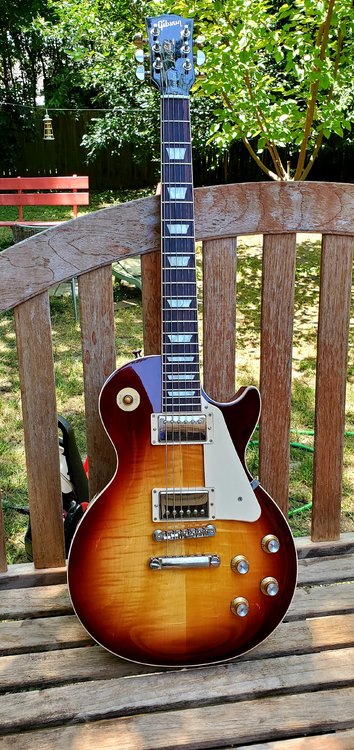
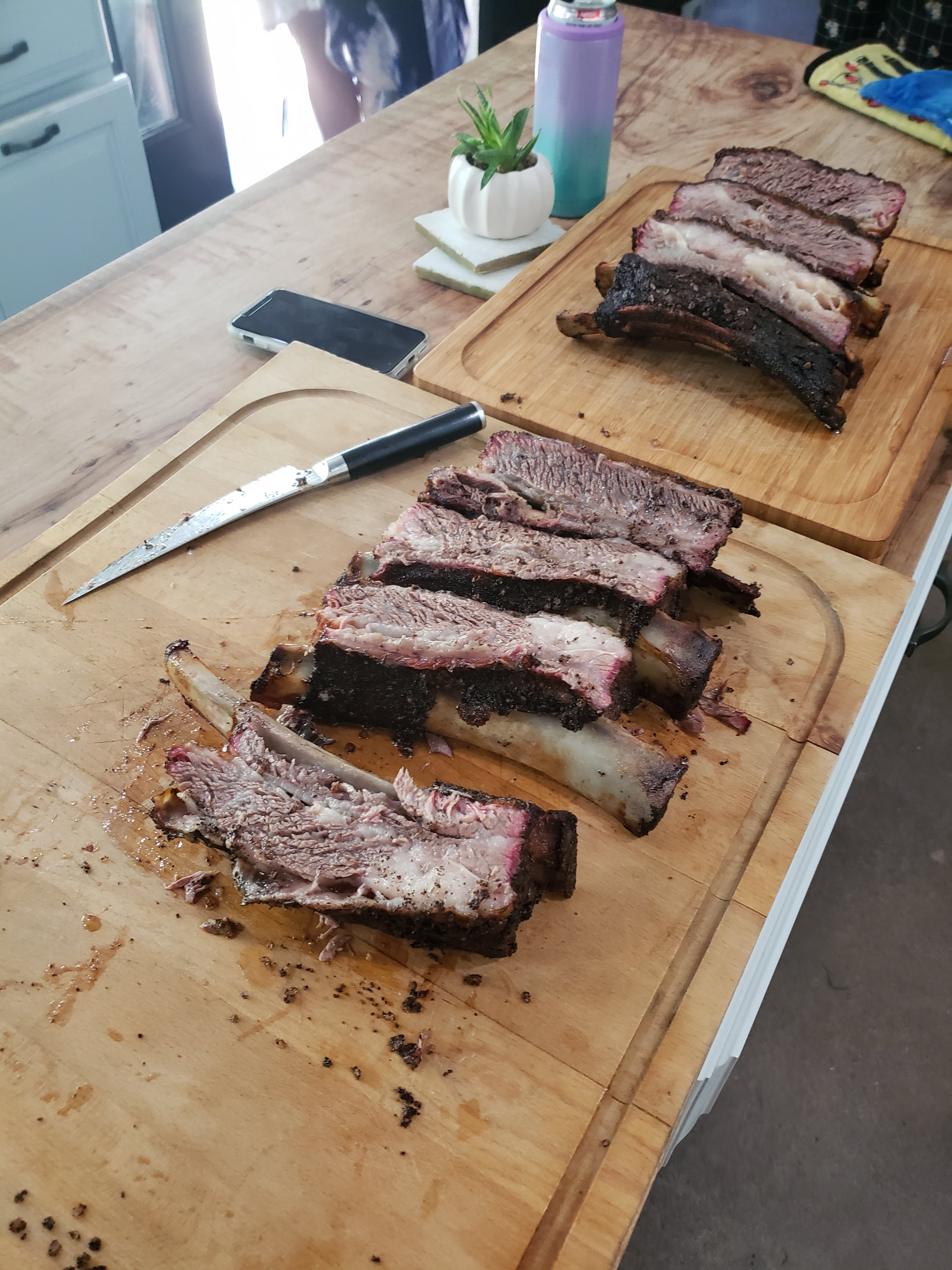
 6 points6 pointsI was attacked in my own home, and I can only complain about it here. I don't know how it came up but we were playing a game last night....me, twyfe, and 2 college age kids, and out of nowhere one of the kids used the word stonk, Mrs. Fairway asked what that word was and the kids went into some long description of how it is some idiotic phrase from the internet and how it was only stupid people who used it. I'm not sure what happened after that; because I think I went into a state of shock, there must have been some response because they kept bringing it up and laughing and twyfe kept saying she really didn't understand what they were saying or why it was funny, then she would ask me if I understood & I think I just shrugged my shoulders. Congrats - surly, reddit and the internet in general have ruined my life. If it wasn't Mothers Day & I didn't have 3 racks of ribs in the smoker I think I would have had to take a day off for a long thoughtful walk and contemplate all the bad decisions in my life....things like kids, marriage and why I didn't start my #stonk life earlier.6 points6 points6 points6 points6 points6 pointsHe may have been a poor evaluator of four stars but he was definitely a crappy coach.6 points6 pointsWe've let ourselves go. We're fat, lazy, stupid and entitled. We don't make anything. We outsource everything. We're a service economy. We're fat, lazy, stupid and entitled but we rebuff immigrants who are healthy, hard working, smart, and ambitious.6 points6 pointsPeople who don't return carts and just leave them in the middle of the parking lot deserved to be stoned to death.6 points6 pointsAn aggy is in bed with a hooker making small talk before hooking up. The hooker asks him how many sexual partners he's had. The aggy begins to count and soon he falls asleep.6 points5 points5 points5 pointsI’m not sure what’s funnier, that they think UT is going to stop recruiting a top 75 player who projects to a different position in college than Blackwell, because of Blackwell. Or the fact that they think Baylor has a shot to beat out Texas, OU, LSU or Oregon for Smith.5 points5 points5 points5 points5 pointsThank goodness for the BAN. Otherwise the virus might have come here and spread like wildfire. Whew, crisis averted.5 points5 points5 points5 pointsTwice this week I had colleagues/clients ask me on a Zoom call - what is wrong with America? Now that question comes at me maybe once a week already, but now it is backed up with videos, data and the constant bleed of a complete dolt blabbering on about nothing. I ask them what answer they want? the 10 thousand foot answer, the 1 thousand foot answer, or the answer? 1) no conflict for too long. no concept of public sacrifice/good, 2) the ideals of capitalism are overheated, 3) the divide is more important than the issue and people are increasingly and artificially fighting instead of cooperating. hey, pick one. its all the same same Yes, Trump is the symptom. we left in early 2019. I wanted to seriously leave the US starting in 2010. I was entering adulthood and a profession around then and these issues became very clear to me. We flirted with Uruguay and other parts of SA but never had the right structure in place. Now I am overseas and of course its a mixed bag - some good, some bad, some ugly. I am happy I am here but I miss the shit out of my friends and family. This pandemic is scary in that I can't see a time when I will see my parents again. And they aren't spring chickens. On the positive side - one can hope the pandemic will erase out 10% - 20% of the current toxic American individualism. Maybe the kids or teens now will have experiences from this that will make them appreciate some concepts of teamwork and public good. Nukes not welcome. Hang in there my man.5 points5 points5 points5 points“This is a very serious situation and I am putting Dr. Fauci in charge” and then chiming in now and again with some sort of inspirational message would have led to a landslide victory in November. The universe threw him a hanging curveball and he’s too busy eating the dirt in the batter’s box to take advantage.5 pointsImagine having a law degree, watching that video and then releasing it because you think it clears the shooter. Without that video these two guys walk. Free to spend their days quenching their thirst with Big Gulps of gravy. I still have doubts they will actually get convicted. DAs office that claimed they shouldn’t be arrested will put on a show of incompetence and the dudes may walk. You can be sure the indictment in this case will be purposefully, and unnecessarily convoluted as fuck.5 points5 points5 pointsUrging a poster to out himself as a car dealer seems akin to asking unidentified rapists and child molesters to step forward.5 points5 points5 pointsAre we sure the City didn't pay an artist $50k for that?5 pointsThis leaderboard is set to Chicago/GMT-06:00Football ... Basketball ... Baseball ... Other Sports ... Futbol ... 🤫995🤫 ... Gambling ... Movies & TV ... Music ... Hobbies ... Lulz ... Food & Travel ... Daily Texan ... Business & Markets ... Cloak Room ... Help ... For Sale ... Board Discussion ... Advertise... Tailgate Donations
Account
Search
Configure browser push notifications
Chrome (Android)
- Tap the lock icon next to the address bar.
- Tap Permissions → Notifications.
- Adjust your preference.
Chrome (Desktop)
- Click the padlock icon in the address bar.
- Select Site settings.
- Find Notifications and adjust your preference.
Safari (iOS 16.4+)
- Ensure the site is installed via Add to Home Screen.
- Open Settings App → Notifications.
- Find your app name and adjust your preference.
Safari (macOS)
- Go to Safari → Preferences.
- Click the Websites tab.
- Select Notifications in the sidebar.
- Find this website and adjust your preference.
Edge (Android)
- Tap the lock icon next to the address bar.
- Tap Permissions.
- Find Notifications and adjust your preference.
Edge (Desktop)
- Click the padlock icon in the address bar.
- Click Permissions for this site.
- Find Notifications and adjust your preference.
Firefox (Android)
- Go to Settings → Site permissions.
- Tap Notifications.
- Find this site in the list and adjust your preference.
Firefox (Desktop)
- Open Firefox Settings.
- Search for Notifications.
- Find this site in the list and adjust your preference.