Leaderboard
-
Machinator
Full Members65Points44360Posts -
Js1
Certifiably Surly59Points78957Posts -
Vic Mackey
Legacy Members48Points41798Posts -
Bama Chick
Legacy Members43Points12214Posts




Popular Content
Showing content with the highest reputation on 03/15/21 in Posts
-
31 pointsIt’s 5:20 AM and I’m at a plant for an on-site vaccination clinic. We’ll be here 14 hours. Scheduled to vaccinate 642 people. I have 36 more such events on my calendar over the next 12 weeks. I’m tired but it feels good, man.31 points
-
14 pointsA handful of points: -Many of the larger grain farms blur the lines between what's corporate and what's family. Our operation is good sized, contains some non-family members with ownership, but also contains me, my brother, dad, and uncle. We operate all the land that my grandpa farmed/still owns and all that land that my dad, uncle, and aunt own. But we have big equipment and function like a small company and many locals wouldn't consider us a family farm. The idea that there are "corporate farms" that are being run out of some office building in Chicago or New York is mostly a myth in the grain world. I'm not aware of any operation around me that functions like this. You do see this, or at least something like this, in the livestock industry. -Small farms currently get more $ per acre from farm subsidies than large farms. Because of payment limitation caps, large farms generally max out on their payments and the money they receive is a much smaller percentage of their revenue. $ per acre is how financial performance is measured in grain production. If anything, the current subsidy system is much more vital to their survival than it is to the bigger operations. -Personally, I would prefer that farm subsidies go the way of the buffalo. Because payment information is public, our landlords know how much we get. When they look that up, they inevitably want more rent. Seed, fertilizer, and equipment prices always rise after a big round of subsidies. It's basically welfare that creates immediate inflation in our operating expenses and washes itself out in the long term. Plus, it's a controversial issue that puts farmers in a negative light - especially when so many in this line of work can't see the naked hypocrisy in getting these payments, but then whining about poor people getting welfare checks (No CR). Take what you want from this. Just my $.02.14 points
-
Prospects performing at camps is related to recruiting13 points
-
11 points
-
10 pointsJust got home. I’m so exhausted I feel drunk. One on-site clinic down, 40 something to go. I’m going to bed.10 points
-
If you don't give a shit about lineman doing a cone drill, you are in the wrong fucking thread on the wrong fucking board. I'm being completely serious. Generic high-level summary shit is more that IT/247 type thing and that's cool but this thread has always and will always contain the "lineman doing a cone drill" type shit.10 points
-
My parents got their second shots on Friday, and as an added bonus my dad is cancer free.10 points
-
9 points
-
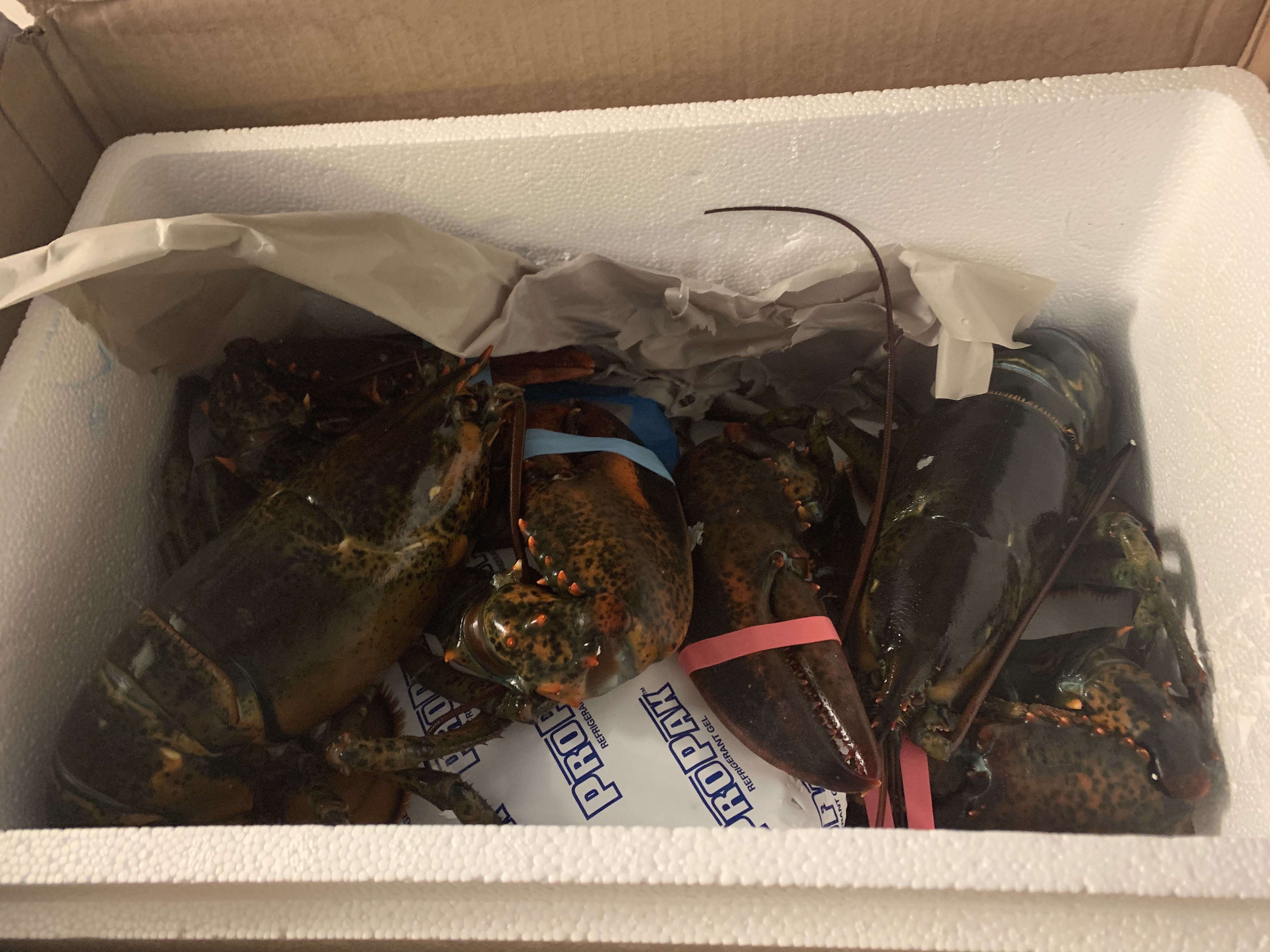
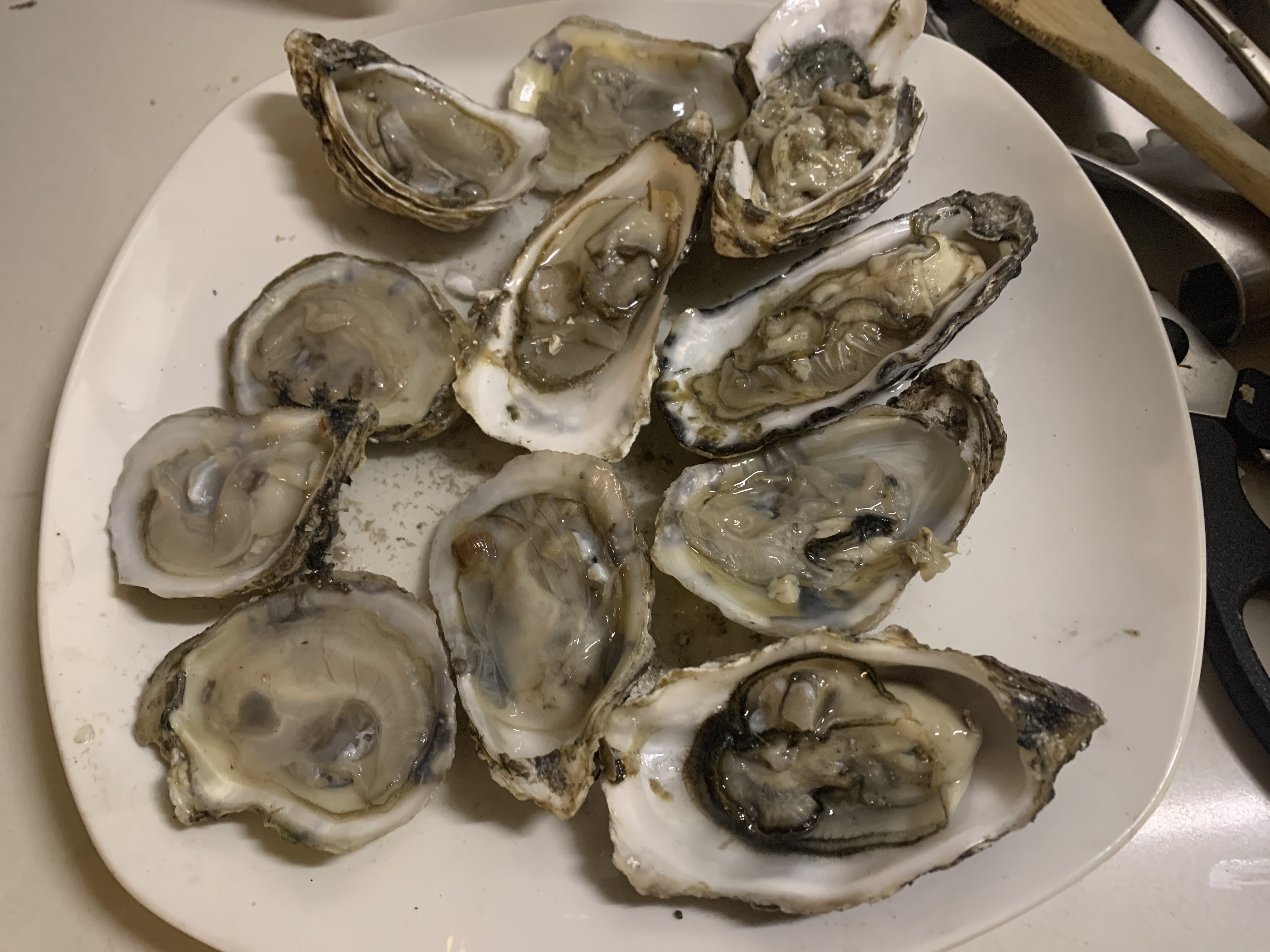
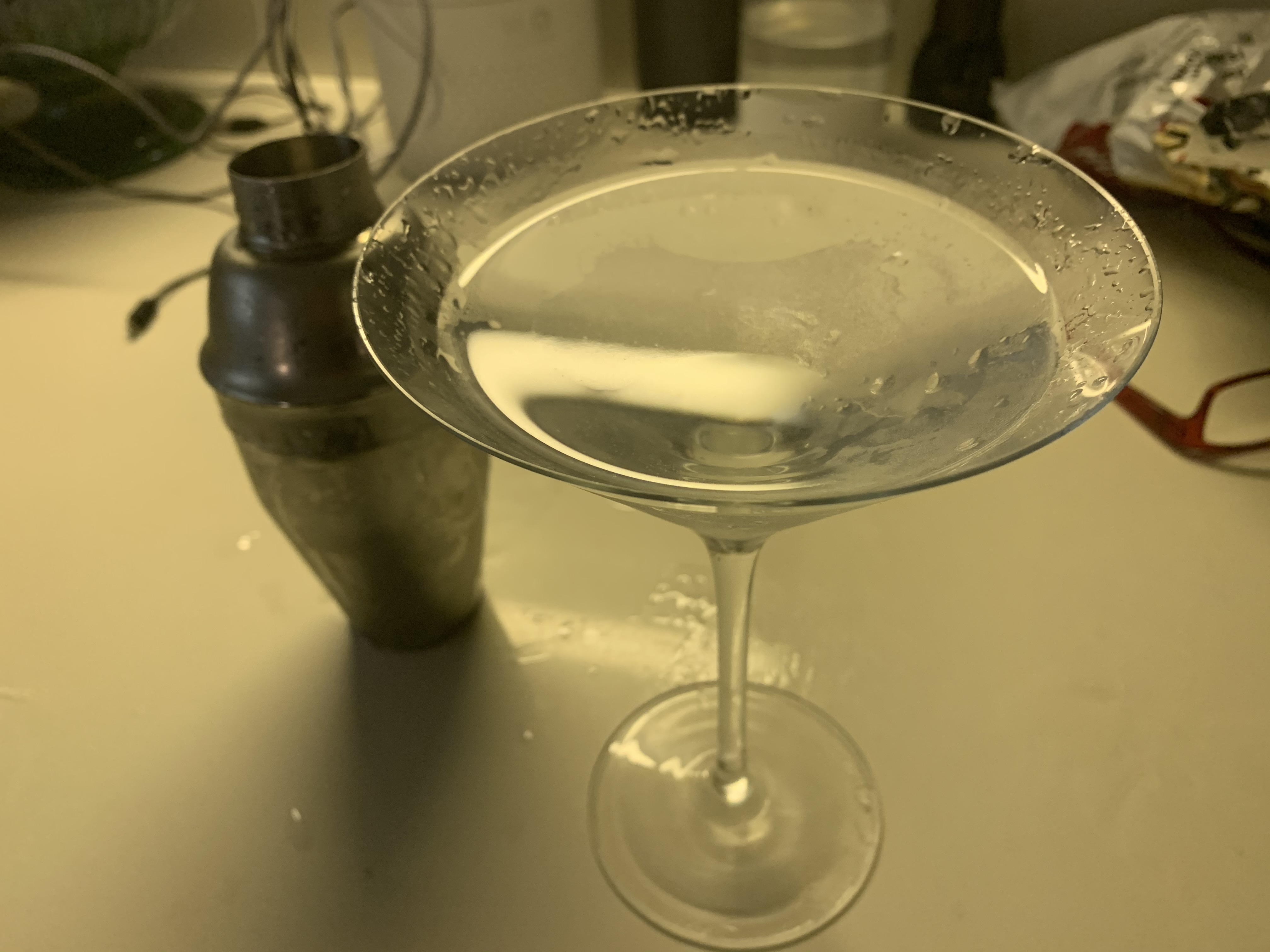
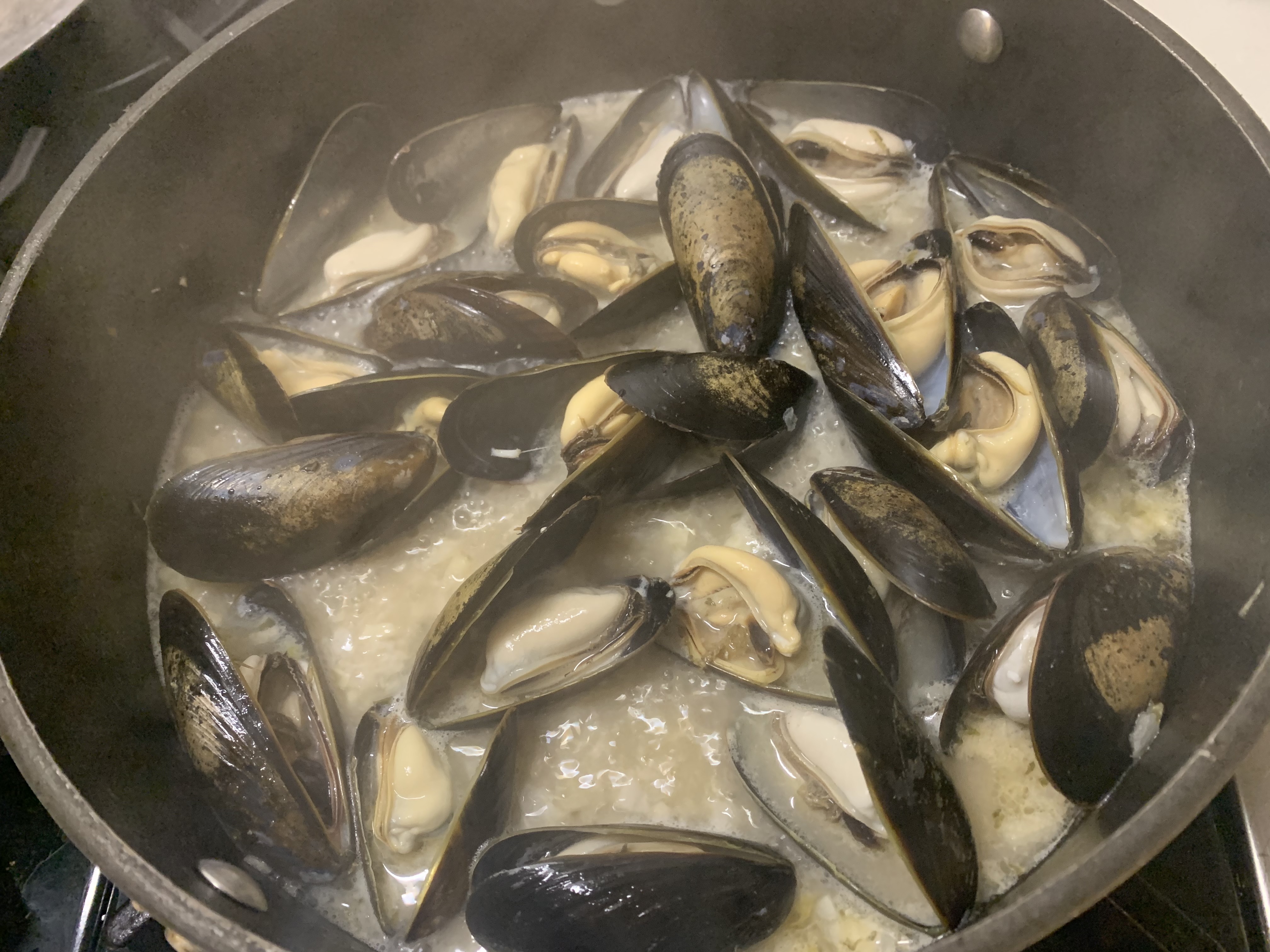
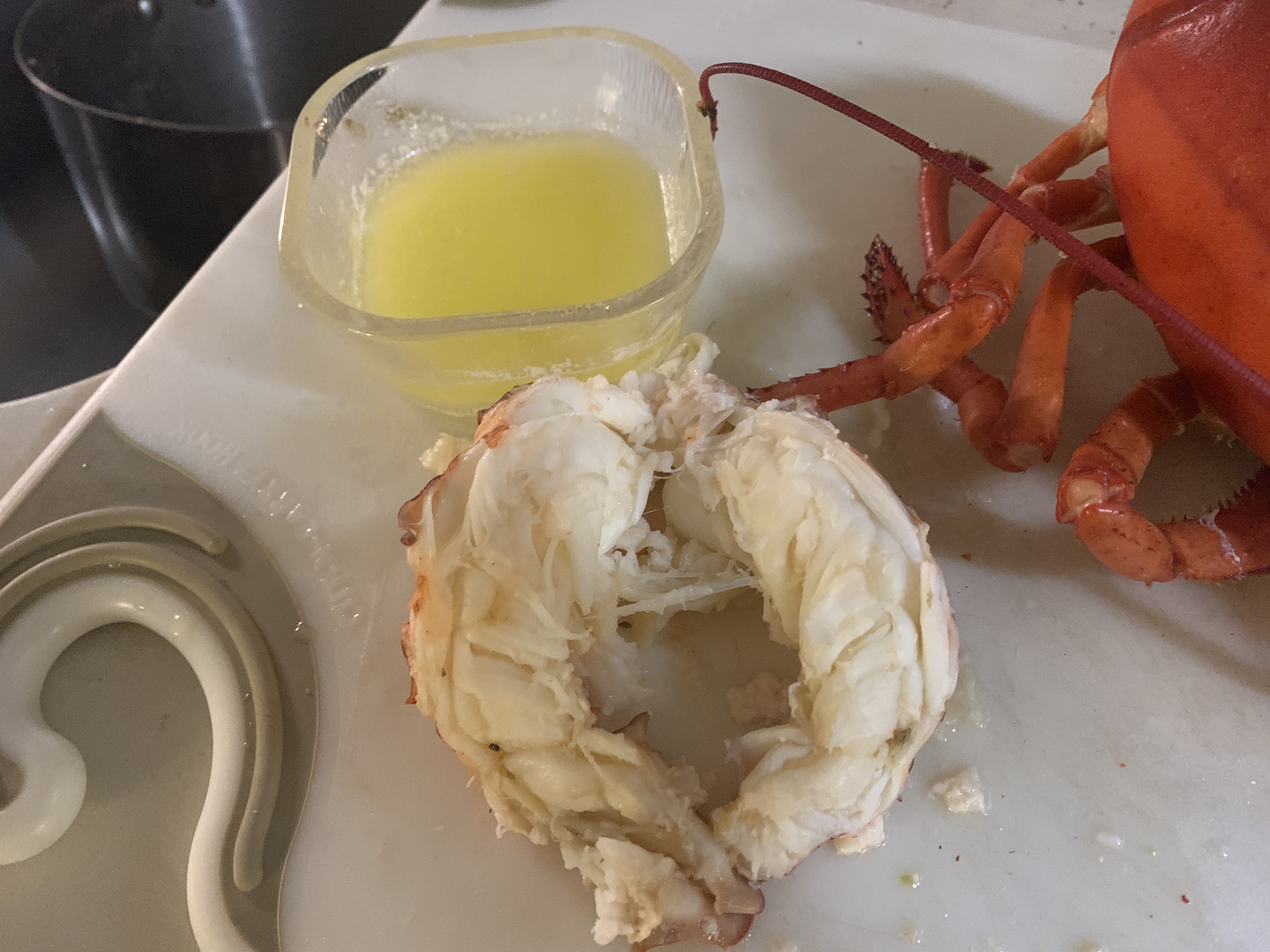
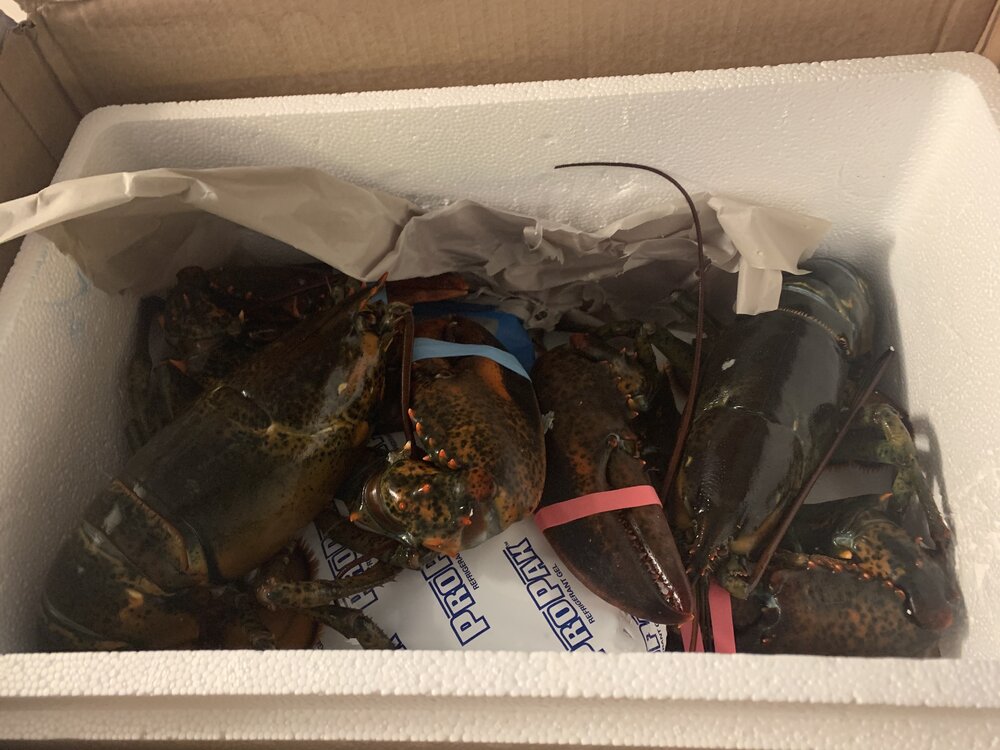
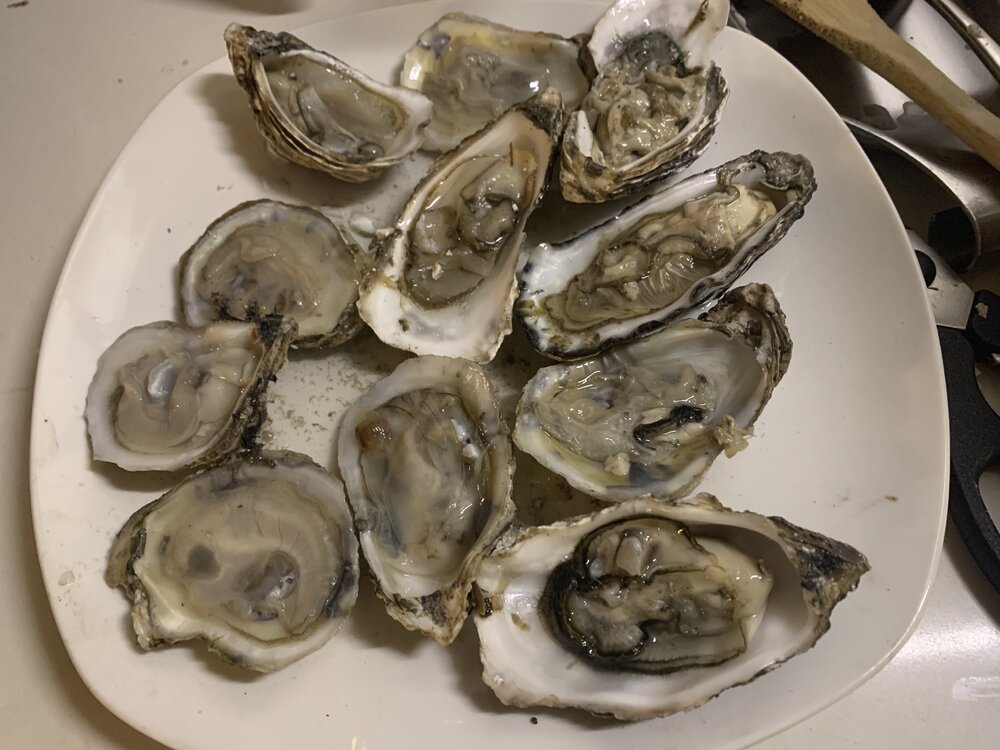
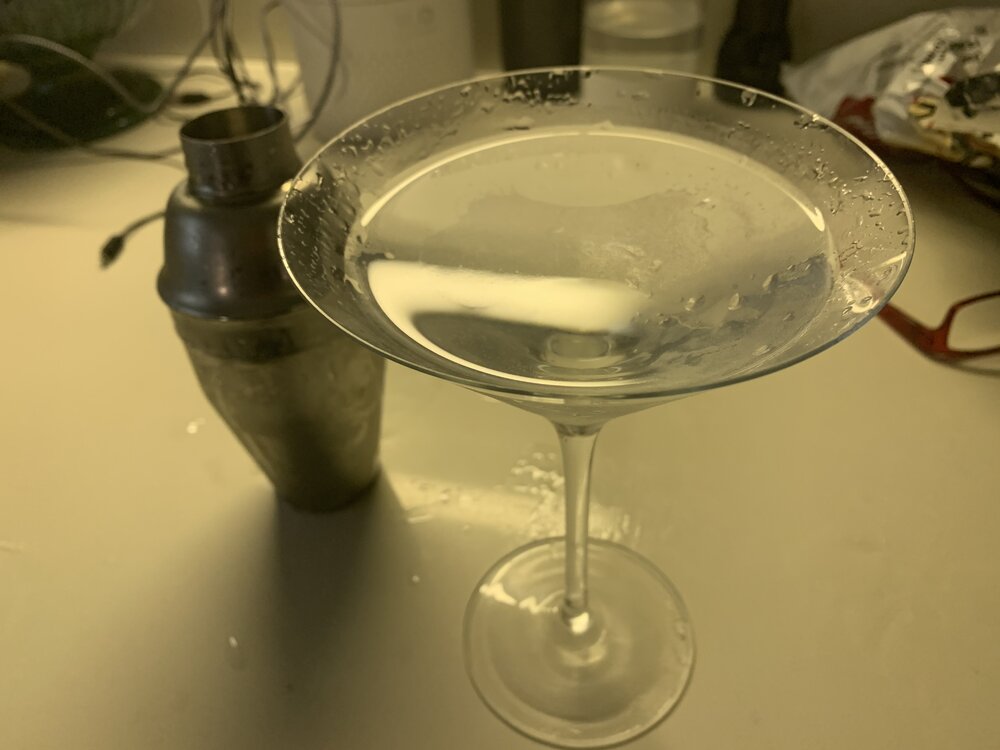
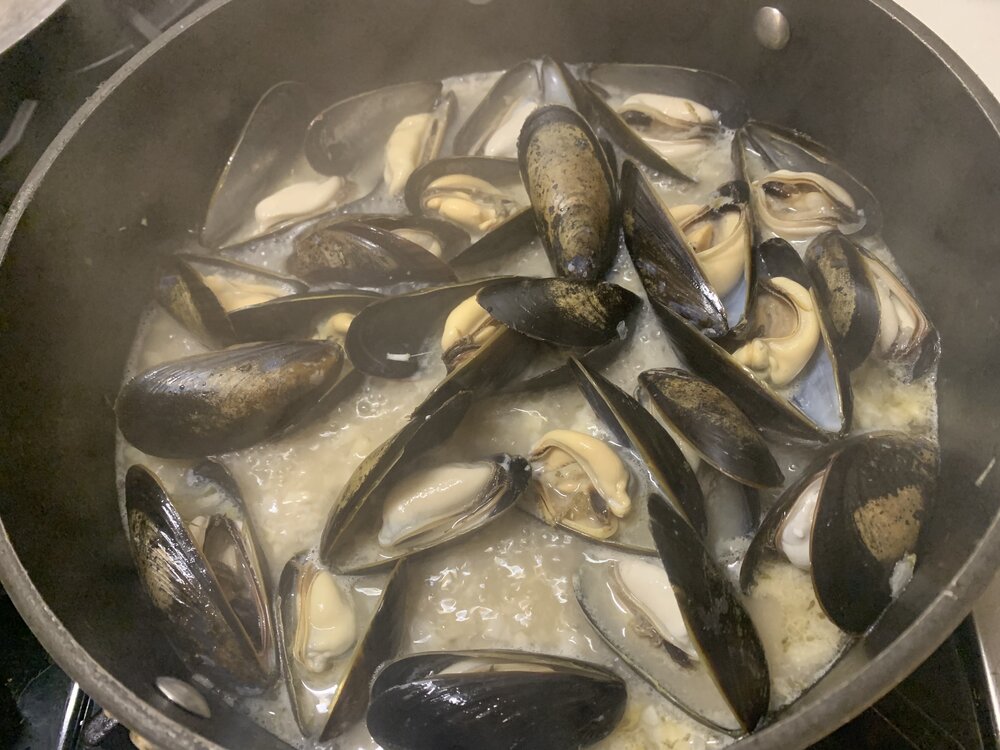
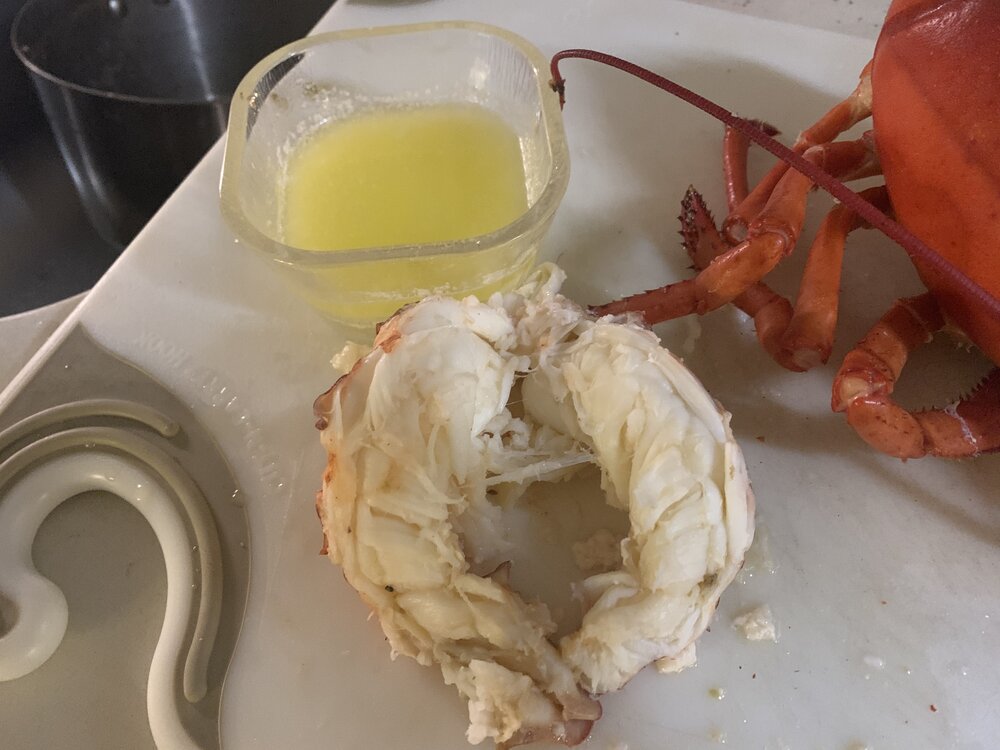
9 points9 points9 pointsThose brackets always crack me up. People take their sports following experience from 20 years ago then mash it up with their regional/conference bias and spit out a theory on the entire hierarchy of basketball.9 pointsJesus shut the fuck up about America you Limey fuck.9 pointsAsk and ye shall receive. And then complain about it.9 points8 points8 points8 pointsMade it home this morning and took it out for the 1st time in a while. Ill think ill restring and plug into the Marshall O50 today. All this Les Paul talk got me thinking about the friend's R8 that drove me to buy mine. I believe his is from 2001 like the one Chad's getting. Anyway, I texted him to confirm the year this morning and he responded that he's considering selling it - thats his way of justifying new gear now that's he's retired - and that I'm 1st on the list per our longstanding agreement. I guess I have decision time coming up soon. Its a good one. 1st pic is from the day I got mine in 2014. The other is from this morning. Edit - confirmed his is from 2001 SN 8-1399 - 399th R8 built in 2001. It'll be interesting to see the SN on yours Chad. Sent from my SM-N960U using Tapatalk8 points8 pointsCan yall stfu about some stupid card game? Nobody gives one flying fuck. This thread is for dumbass shit from dumbass people not fucking card games.8 points7 pointsOrdered some seafood from Maine for a little feast this weekend. Hello guys, how was your flight? Throw in some oysters Shucking oysters suck, I need a break Mussels in garlic white wine sauce Thank you Lobster Gods, for your plentiful bounty
 7 pointsBetter than an argument that once occurred at my house. Her: You do not like blow jobs, I've never seen you get one! Me: That's because you won't give me one and since we're married you're my only option. The closest I've ever gotten to not liking blow jobs was decades ago when I got a really toothy one that bruised my junk from my high school girlfriend and it was still glorious. Last year you were having drinks with your friend and you called and asked if I wanted anything on your way home. I said "yes, a blow job when you get home" and you said "okay". I got pissed at you because you came home and didn't give me a blow job! Me: I assure you, I like getting head, it feels good. Her: No, it doesn't. Me: What?!?!?!? Think about what you're doing -- you're arguing with *ME*, a guy with a dick, about whether *I* like it to get sucked by a woman! Have you lost your fucking mind? Why would you be arguing about this? Every guy in the world likes getting head and you'll find that out someday when we get divorced. Narrator: They got divorced a year later.7 points7 points7 points7 points7 points6 points6 pointsSounds like your kids are really bringing down the school district.6 points6 pointsWe’ve been sending high school girls home whose skirts are too short for decades, maybe centuries. All I ask is the same treatment for guys who come to work at the Naval Weapons Station in Hitler mustaches.6 points6 pointsWanker bob feel free to start an America sucks thread. This is not the place for it.6 pointsOthers seem to be managing to keep up just fine. “Reading is hard” is probably going to continue to be a widely mocked stance on the recruiting board for the University of Texas. But by all means feel free to start another news only/link thread and go watch the tumbleweeds roll past you there. Otherwise the football board or texags awaits! also the positive reps your posts got for the scathing hot “everyone stop and spoon feed me info because I hate words” take is a pretty telling illustration. You’re in great company. Look everyone, it’s the Taylor Hamm of the 995 board. Are you 5’5” too? Maybe we can change your username to BurntOrange&Slight.6 points6 points6 points6 points6 points6 Feb 1939 - 15 Mar 2018 RIP, Great One ! Thanks for the memories. "You want to win everything along the way, because that buys you 24 hours of peace, but the national championship is the goal for this program."6 points6 points6 pointsOne of the dumbest things in political discourse is the fixation on family farms like they are only component of Agriculture in the US. (I saw this as someone who works with family farms for a living) Pretty much all your major field crops are still produced by family owned operations. Pretty much all of your cow herd is in the hands of family operations. The areas of livestock that have shifted into more corporate control like pork, poultry, and dairy have done so mostly for labor reasons, as having a small scale livestock operation is a shitty way to make a living because you can’t warrant outside labor, and it wears your body the fuck out. My Grandfather didn’t spend a single night away from home until he sold the dairy cows when he was in the late 50’s and his and my grandmas joints were shot from years milking in a flat parlor. Every hog man in my family excepting my dad who died young from cancer, have at least one joint fused or replaced. Same for all the neighbors. When you have to scale to warrant outside labor you can rotate it provides for a lot better quality of life for everyone. For your grain crops, it’s not near as exhausting on day to day basis, but it’s essential a long term real estate commodity play that takes a long time to payoff with significant risk in the meantime, which is not for everyone. Most of the family farms that are gone didn’t go broke, they decided that they didn’t want to run on that treadmill anymore, and their kids didn’t either, and we need to stop pretending otherwise. The misty vision of the family farm isn’t going to comeback, unless you explicitly pay people to live shittier lives so you can have them as museum pieces. The United States will keep trucking along as an agricultural power because of our natural resources and technology it just won’t look like you think it should.6 points6 points5 pointsYes, I am a homer, and yes, his stats are laughable for a Hall of Famer. He only had nine sacks for his entire career. So what. Casey Hampton is a Hall of Famer. Here is the case: He made five Pro Bowls. Played in three Super Bowls, winning two. With Hampton clogging up the offensive line, the Steelers were a top five rushing D in 2001 and 2002 and then every year from 2004 through 2010 and again in 2012. Ten out of his 12 seasons, including his rookie season, when he split time with another dude (and in which the Steelers were not top 5). To me, that is the true measure of his success. He was not asked to sack the QB or rack up other stats. He was asked to free up everyone else to do those things. He was a one-man man-advantage on every play as he required constant double-teaming. How was it then that he "only" made five Pro Bowls and was never first-team all-NFL? Because the NFL makes no distinctions between true nose guards and other DTs who are by nature of where they play more able to rack up sacks and TFLs and passes defensed and such. As a nose tackle in a 3-4, he had no chance against DTs in 4-3s. He was flat-out the best all-time at his position, and that he is not already in the Hall of Fame shows how stupid Hall of Fame voters are. He was almost as disruptive in his own way as Lawrence Taylor was in his more readily visible way.5 pointsSome additional pics hidden in a spoiler to avoid further longcatting of this page. #sorrynotsorry?5 pointsSo the last two weeks on one of my favorite rivers here in SE Idaho has been ... rewarding. Some highlights: A super streamlined rainbow hen A plump and lovely female 'bow A mush-mouthed buck with a penchant for yellow sallies out of season And three big, colorful bucks to close it out5 points5 points5 pointsAs has been the case in Georgia, progressives in Texas must prevail upon American, Southwest, at&t and other corporate citizens who have declared their support for racial justice/equity to oppose the voter suppression strategies and tactics of Republicans.5 pointsFunny, I was thinking the same thing.
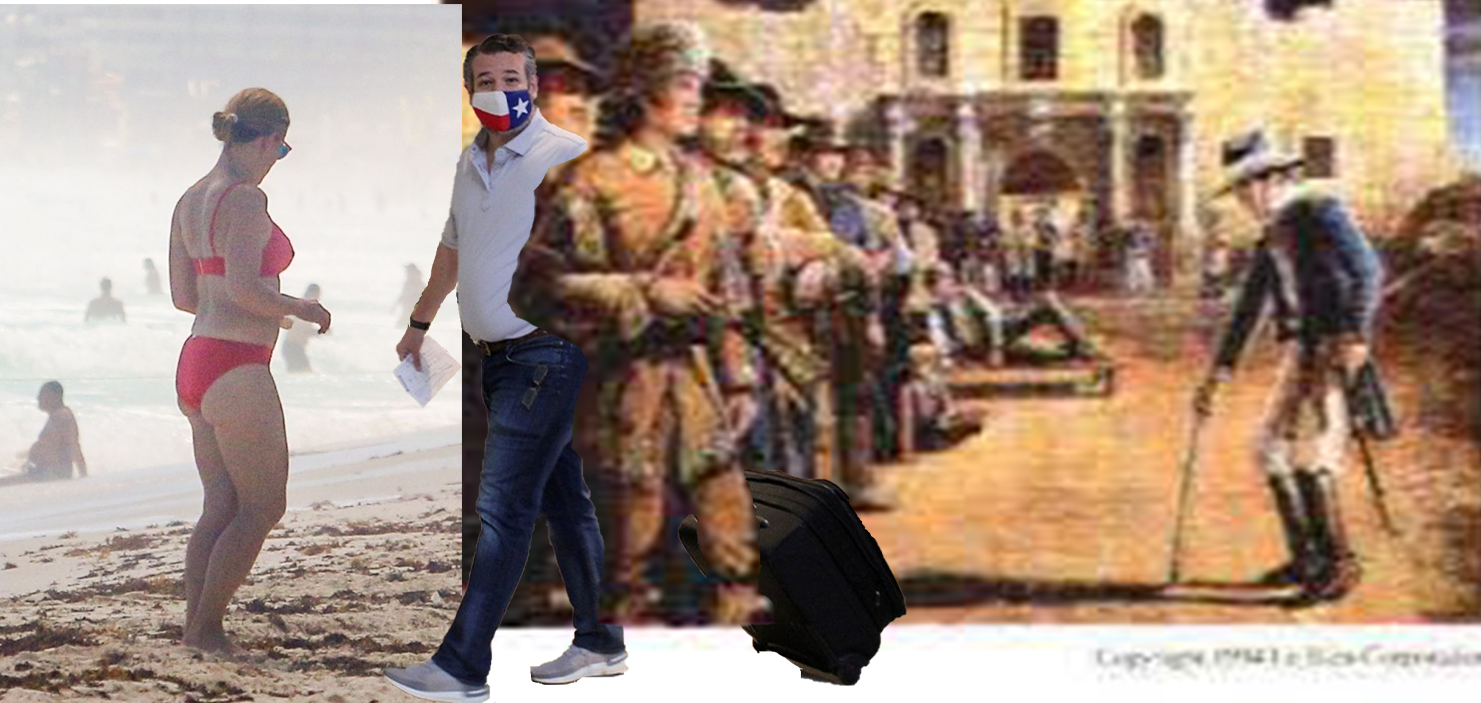
 5 points2.5 months for Searels to really dial in her cookie cake recipe5 points5 points5 pointsWait. There's a recruiting thread for rich people? Does keeping up with this thread make me a poor person?5 points5 points37 calendars..added the gold guard and dirty blond pups. I don't play it enough...sounds and plays wonderfully5 pointsThere's a fun way to find out called reading the damn thread. You should try it.5 points5 points5 points5 pointsThese threads always crack me up. People take their educational experience from 40 years ago then mash it up with their political/racial views and spit out a theory on the entire educational system of the United States. Ill be working on my bracket if you need me 😀5 pointsAh, so Ohio State, then.5 pointsYou’ve got it backwards. The story is those who wanted to stay at the Alamo had to cross the line. So Cruz would have to be going the opposite direction...so flipped him so he’s headed away from Travis.5 points5 points5 points5 points5 pointsFu keeping Gabi warm while watching cartoons. My two oldest girls.5 pointsThis leaderboard is set to Chicago/GMT-06:00Football ... Basketball ... Baseball ... Other Sports ... Futbol ... 🤫995🤫 ... Gambling ... Movies & TV ... Music ... Hobbies ... Lulz ... Food & Travel ... Daily Texan ... Business & Markets ... Cloak Room ... Help ... For Sale ... Board Discussion ... Advertise... Tailgate Donations
Account
Search
Configure browser push notifications
Chrome (Android)
- Tap the lock icon next to the address bar.
- Tap Permissions → Notifications.
- Adjust your preference.
Chrome (Desktop)
- Click the padlock icon in the address bar.
- Select Site settings.
- Find Notifications and adjust your preference.
Safari (iOS 16.4+)
- Ensure the site is installed via Add to Home Screen.
- Open Settings App → Notifications.
- Find your app name and adjust your preference.
Safari (macOS)
- Go to Safari → Preferences.
- Click the Websites tab.
- Select Notifications in the sidebar.
- Find this website and adjust your preference.
Edge (Android)
- Tap the lock icon next to the address bar.
- Tap Permissions.
- Find Notifications and adjust your preference.
Edge (Desktop)
- Click the padlock icon in the address bar.
- Click Permissions for this site.
- Find Notifications and adjust your preference.
Firefox (Android)
- Go to Settings → Site permissions.
- Tap Notifications.
- Find this site in the list and adjust your preference.
Firefox (Desktop)
- Open Firefox Settings.
- Search for Notifications.
- Find this site in the list and adjust your preference.