Leaderboard
-
Machinator
Full Members102Points44360Posts -

Brisketexan
Legacy Members63Points56128Posts -
Armybrat
Legacy Members63Points24172Posts -
Beau Vine
Certifiably Surly43Points36834Posts



Popular Content
Showing content with the highest reputation on 04/12/21 in all areas
-
21 points(Super K) Casey Thompson | Starting to Stand out | Sourced21 points
-
Sorry but how many transgender female athletes are out there in competitive sports and of those, what proportion are outclassing all the cisgender women? Why all of a sudden is this THE big, trendy issue? Solution in search of a problem, just to kick around the "out" group some more and distract from actual issues that need tackling.16 points
-
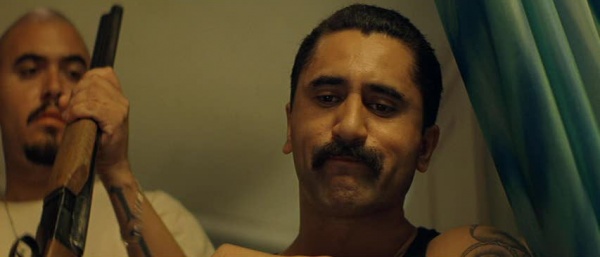
14 points14 points14 pointsJesus Christ. Greenwald is a mess. Age of consent in Florida? 18 When minors are transported across state lines? 18 And his own personal history is obviously playing a role here. Pro Tip - If you morph into “Actually, let’s debate age of consent guy”? LOG OFF THE FUCKING INTERNET.14 points13 points13 points12 points11 pointsI’m a 4th generation Texan and I’m fucking embarrassed cause of fuckwads like you. You’re not ashamed of our representatives, that whole power thing that made our state uninhabitable, Hot wheels somehow being more evil than Rick Perry? We gave the country W and he was the worst president ever till dotard showed up. We hate federal regulations but yet we need fema all the fucking time. And fucking aggy and tech are in our state. Two shitass “universities” that pump out morons like @slorch and you. I’m damn proud of being a Longhorn, I’m fucking embarrassed being a Texan. Look in the fucking mirror and wonder why this state kind of fucking sucks. Oh wait, that’d require you to think. Never mind11 points10 pointsHoly shit what a misleading title.10 points10 pointsThe UT campus covid vax clinic I regularly volunteer at will be celebrating 100,000 individuals vaccinated this week. Hook’em10 points9 pointsTo me, that's a reflection of playcalling and program philosophy, not individual player effort level.9 points9 points9 points9 points9 points9 points8 points8 points8 points8 points8 points8 points8 points7 pointsAny of you hunt regularly? I saw where Cajun does. What cool shit have you found hunting, and what have you found just by accident? My best has been by accident, but many were from a field along a creek that the owner would call me when he was plowing it for peanuts. One of my uncles has probably 10 cigar boxes full, plus about 5 big display boards with 50-60 each. My great-grandad said they were so plentiful when he was a kid, that they used them for skipping rocks. Here is my meager collection: My favorite, of course is the big hide scraper. We had leased a place and one of our cows got bit on the face by a rattlesnake, so my Dad had sent me over to walk all of the limestone ledges and locate dens. I was walking along and there it was, just laying on top of the ground. I estimate that it was dropped by a Comanche in the last 250 years. My other favorite is this small intricate bird point that I kicked out from under the dirt in about 4th grade. I was on the swing, and the bell rang for recess to be over, so I started dragging my feet to slow down and stop. This little baby just popped out of the backland prairie, not even close to a creek, or possible camp: I've also found a few shards of pottery: I've started watching these dudes on Youtube: I pretty much knew where to find them, they just removed any doubt. I'm gonna do some digging on the flat area above a spring on my small acreage. There are several waterfalls before it dumps into the Brazos. I'm going to screen all of the sediment in each of the pools below the falls and see what I come up with as well. CHIEF7 pointsYou have transgendered females competing in women's wrestling, rugby and maybe hockey, and that's dangerous. They're gonna hurt people.7 points7 pointsI also like Cliff Curtis because--setting aside Training Day being a top-10 movie--I like to think of the bathroom scene as a tidy little metaphor for Sark running Herman out of town.


 7 points7 pointsHa. I converted a few to Texas BBQ. It was easier than converting them from Jeff Fisher admittedly. Anecdote- Some out there used to call Texas the 'fake UT' to me. I wouldn't respond. When I was asked what Texas said about Tennessee, I replied "nothing, you do not matter." Which surprised them and shut it down. It was also the truth.7 points7 pointsThose are the faces of two people who have both fucked the pool boy.7 pointsThey only waited four months to do anything about it, and that's only because the video became public. The cops will not do anything to restrain their thugs unless there's overwhelming public outcry, and so they just prevent the public from knowing what's happening for as long as they can.7 points7 pointsAgain, I am most displeased by the fact that the "let's be cautious" voices have now fully committed to being as batshit extreme as the "it's just the flu!" crowd. Especially when they answer truthfully, but not likely. Here's a good analogy: If you're about to get on a flight, it would be TRUTHFUL for a flight safety expert to tell you "there is absolutely a chance that this plane is going to crash. There's a chance that there is an undetected mechanical failure. It's also possible that the pilot will make a fatal mistake. Everyone on this plane could die." All of that is true. But useless, panic-causing information. On the spectrum of possible things that could happen, that is the extreme worst, with an incredibly low likelihood of happening. Sure, we need to be aware of them and protect against them in general -- let's train our pilots, inspect the equipment, etc. But nothing is a 100% guarantee, that is true. We need to agree on the common ground of what COVID goal we're aiming for. It has to be a realistic goal. A goal of "total eradication, zero risk" is as foolish as a complete disregard and "it's just the flu, we shouldn't do shit." If one of these experts would give a good predicate of "understand that the data give us a range of possible outcomes, some are extreme -- and I'll talk about the extremes, because those bookend our analysis and decisionmaking, but experience tells us that the most likely outcomes are somewhere well in between those two extremes." That would be really damned helpful.7 points7 points7 points7 points7 pointsYou know this is a UT board, right? I used chattel in a Civil War paper that I wrote in high school. And funnily enough, the teacher put an "x" by it. To this day, I don't know why. Maybe, he thought I was being fustian. I know you come across as a choad. But I don't know if it was the word choice, your decision to point it our, or that you think it is some feat for Adams to release a kid from his NLI.7 points7 points7 pointsYou obviously haven't spent much time around competitive youth sports. It absolutely can and does. I'm astounded at this. We have made so many strides in empowering women and young girls. Female sports are light years where they were even 2-3 decades ago. We have empowered feminists. Some bad, but mostly good. But girls and young ladies sports have come a long, long way. And I'm thrilled about that. Now the current cause is women need to accept biological males competing with them, and anyone who tries to stand up for biological women being at a disadvantage is a Q following Trump voter. Amazing.6 points6 points6 pointsWoman at work refuses to get vaccinated because she is in her child-bearing years. Bitch, you're on the downhill side of 35 and still single, and I've thought you were pregnant for the past 5 years.6 points6 points6 pointsSo, you are aware that there are a lot of cisgender boys who are going to have significantly lower testosterone levels than a lot of cisgender girls, right? I mean, we're not even talking about transgender here; we're talking about kids who were born boys/girls and are boys/girls and think of themselves as boys/girls. So your answer is to send every kid who wants to play sports to go have an annual blood draw to see his/her testosterone levels. And you think that's a good idea? All because of some made-up boogyman about those awful transgenders coming out and dominating the fuck out of women's sports (about which you don't give a fuck anyway). And so what happens when a girl comes home with a blood draw that says she has too much testosterone to play high school volleyball? How's that going to go down with the mean girls at school? You think that's a great thing? It's just cruelty for the sake of cruelty. Well, that's not exactly true. It's cruelty for the sake of distracting from the fact that the Republican Party has presided over Texas's descent into failed-state status. We can't keep the fucking lights on during a winter storm. We can't efficiently distribute a vaccine during a pandemic (and God knows we can't enact any measures to slow the spread of the disease). We can't even administer a lousy standardized test over the internets without the system crashing. And godfuckingdammit, we can't even hate on the gays anymore because that's considered improper because every fucking suburban housewife has a gay friend. I know--let's scapegoat the trans folks! Yeah--maybe then the voters will forget about the fact that they pay some of the nation's highest taxes and in exchange get the nation's most incompetent government.6 points6 points6 pointsThe best part of that would be Charles Thompson's son running the option against OU.6 points6 pointsIt's completely normal for them. They are so accustomed to reframing every last little thing to their advantage that they have not stopped to consider the larger picture much less an ethical one. Whether it is sedition, insurrection, conservatism, socialism, prostitution, they see it as something to which there is a 'play' in the manual that must be run in order to win the game. Figure out the play so you can get through the line. Period. That is what winning is. Not ethics, not compassion, not humanity, not legality, and forget the Constitution--that's like one of those specialty plays you run when you're desperate.6 pointsYep that's where I got my new grill. I also got a nice new car someone put out. Well, it wasn't really on the curb. More like the driveway. And the stupid people forgot to leave it unlocked so I had to break a window and then hotwire it. Crazy what people just throw out.6 points6 points6 points6 points6 pointsIt was not an accidental discharge. The weapon was fired. She fucked up and grabbed the wrong weapon, but the action of firing was not accidental.6 pointsI have about 6 tape measures. 3 in the junk drawer that my wife and daughters are likely to use/lose. 2 in my rolling tool box which could be easily accessed when my wife's car is out of the garage. And mine kept in a double top secret location.6 points6 points6 pointsOh come on now. Texas at #3 when MSU beat ya earlier this year... ppsshshhhhaww Sorry had to. I've been watching boys... and y'all are rolling and I love it. Should have another easy week before the final stretch that as already discussed will be a real test. Hope yall win them all and win the conference.6 points6 pointsJust so we're clear here, Fox News is interviewing a historically apolitical golfer with something like a dozen stints in rehab for drug and alcohol abuse, a well chronicled public gambling problem, and was neither born nor has ever lived in Georgia about Georgia's new voting laws because...why, exactly? Why is this motherfucker being given a forum, exactly? Fucking critical thinking is a dying resource on this fucking planet, and this country has the steepest spiral downward.6 points6 pointsGood Lord that Bijan cut in the open field was so smooth. I can’t wait to watch an entire season of him as our feature back. This is also your daily reminder that Tom Herman was a fucking moron.6 points5 pointsNo excuse whatsoever. I don’t care what his record was or what color he was. If you don’t know the difference between a taser and a pistol, you have no business carrying either. And you certainly don’t pull the trigger because things get exciting. Furthermore, the police spokesman said it was an “accidental discharge”. Horseshit. She pulled the trigger. It was a negligent discharge.5 points5 points5 points5 pointsI'm calm. I just hear this some doctor or someone who knows said this or that all the time and it's just bullshit excuses for not considering vaccination. It's usually some political motivation or social-media generated hysteria. Or a podcast involving a Weinstein and the phrase "well, you know, we just don't know". These dipshits are not trying to fight the fucking battle right in front of us, they've jumped ahead to fighting the ones in 2050 to "inform their listeners and help them think about it". If you've looked and can't find anything online to corroborate what Dr. Pretty Solid told you, then there's no point to this discussion rn. If you are able to corral him and get something concrete, then by all means, post it here when you find out.5 pointsThis leaderboard is set to Chicago/GMT-06:00Football ... Basketball ... Baseball ... Other Sports ... Futbol ... 🤫995🤫 ... Gambling ... Movies & TV ... Music ... Hobbies ... Lulz ... Food & Travel ... Daily Texan ... Business & Markets ... Cloak Room ... Help ... For Sale ... Board Discussion ... Advertise... Tailgate Donations
Account
Search
Configure browser push notifications
Chrome (Android)
- Tap the lock icon next to the address bar.
- Tap Permissions → Notifications.
- Adjust your preference.
Chrome (Desktop)
- Click the padlock icon in the address bar.
- Select Site settings.
- Find Notifications and adjust your preference.
Safari (iOS 16.4+)
- Ensure the site is installed via Add to Home Screen.
- Open Settings App → Notifications.
- Find your app name and adjust your preference.
Safari (macOS)
- Go to Safari → Preferences.
- Click the Websites tab.
- Select Notifications in the sidebar.
- Find this website and adjust your preference.
Edge (Android)
- Tap the lock icon next to the address bar.
- Tap Permissions.
- Find Notifications and adjust your preference.
Edge (Desktop)
- Click the padlock icon in the address bar.
- Click Permissions for this site.
- Find Notifications and adjust your preference.
Firefox (Android)
- Go to Settings → Site permissions.
- Tap Notifications.
- Find this site in the list and adjust your preference.
Firefox (Desktop)
- Open Firefox Settings.
- Search for Notifications.
- Find this site in the list and adjust your preference.
















_svg.thumb.png.82894d23b355e14e5d907b7f7b0f16ef.png)