Leaderboard
-
Machinator
Full Members121Points44360Posts -
Wulaw Horn
Burnt Ends80Points21502Posts -
Fletch
Full Members72Points7228Posts -
Firemans4Horn
Legacy Members63Points27971Posts



Popular Content
Showing content with the highest reputation on 06/13/21 in all areas
-
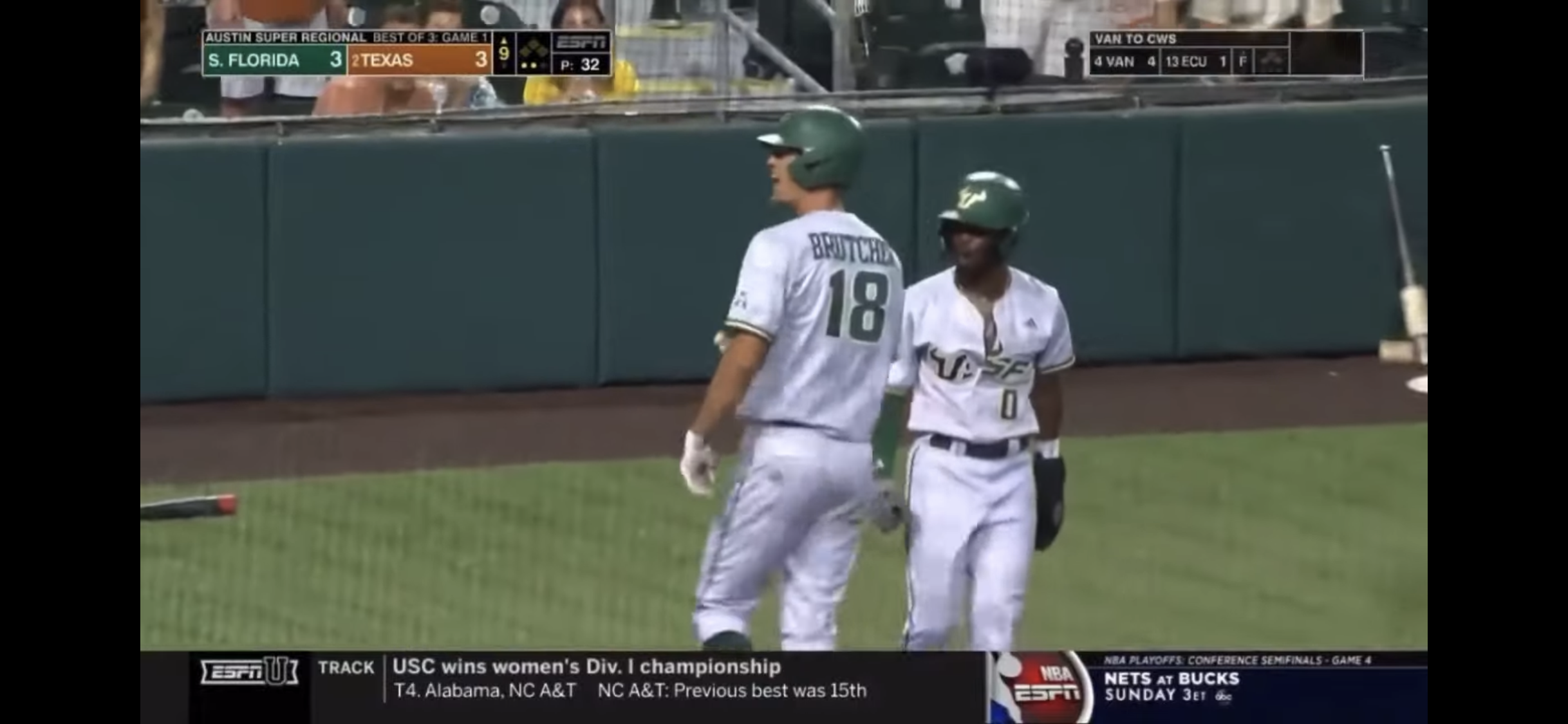
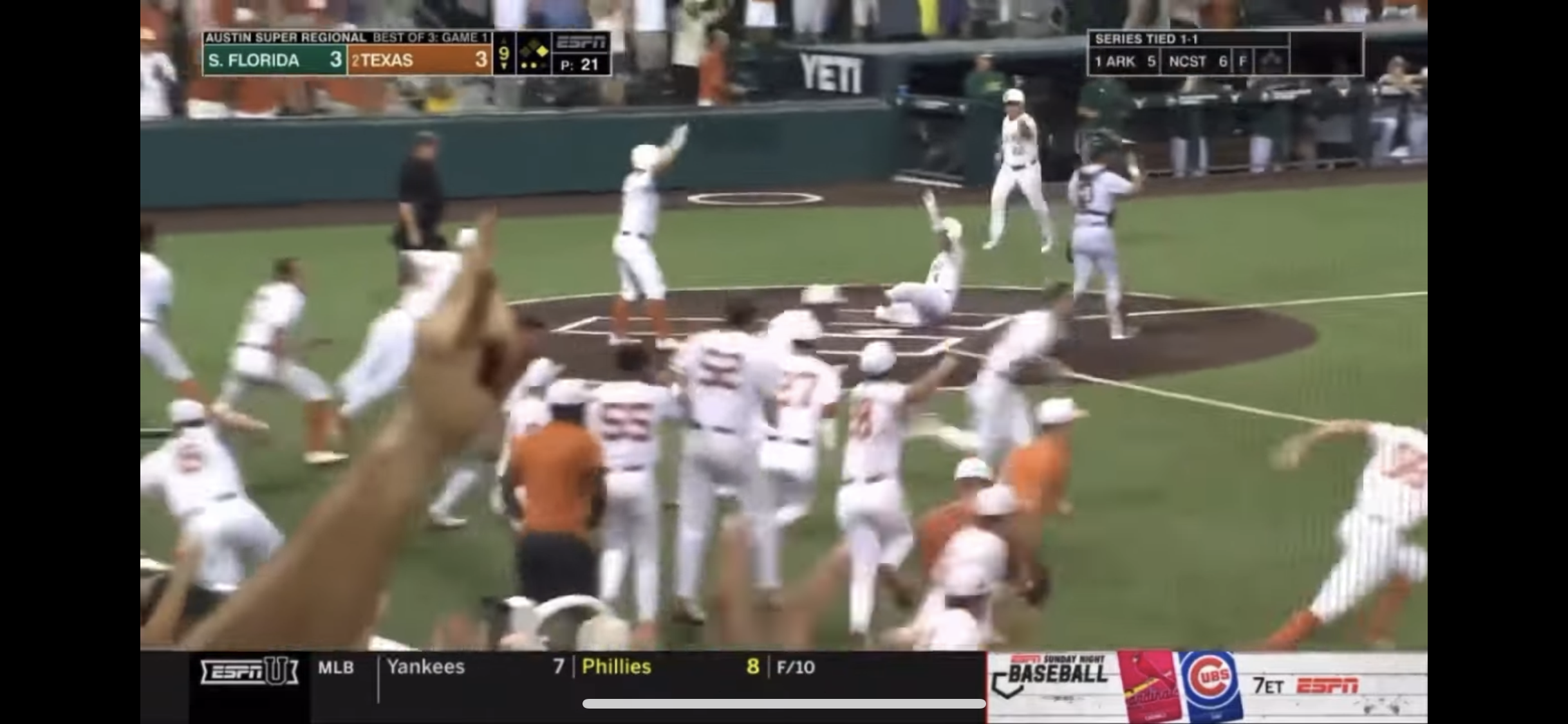
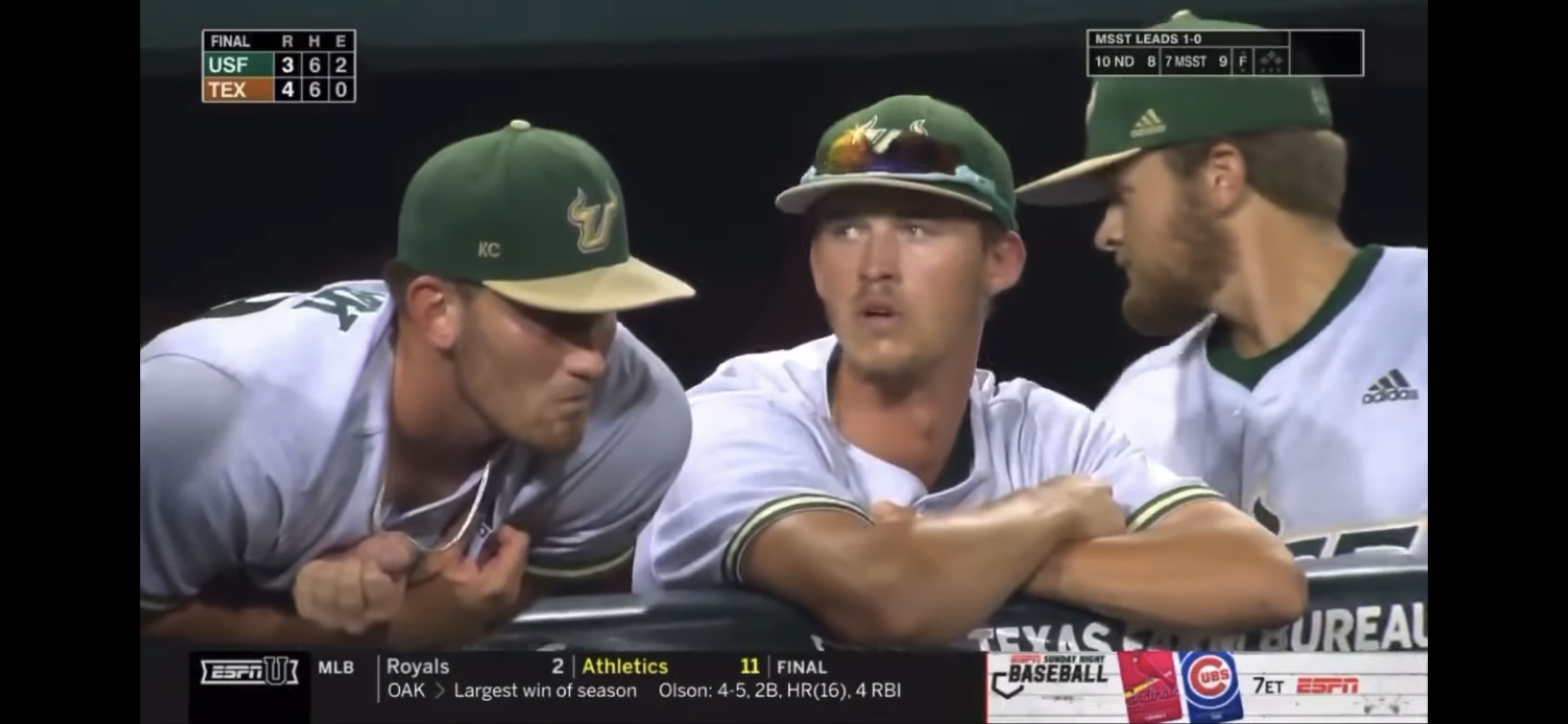
41 pointsSo my dad fell down and hit his head and had catastrophic brain injury. Found out at 7:00 am. Got to the hospital at 9. Mom tells me he’s incoherent. I hear the doctor ask him his name and he says “John Daly”. What year is it sir? 1990 something. Ok, where are you. Starship enterprise. Doc leaves and I say- dad- heard you were watch game. Mumble mumble mumble stupid 3 runs in the 9th. My brother says, so y’all are going to omaha huh? Him- no- got to win one more tonight or tomorrow. So dad doesn’t know who he is, what year it is, whose president- but he’s got our situation in the supers locked and loaded.41 points
-
28 pointsThis is real life btw. Not some convoluted joke. All prayers are appreciated.28 points
-
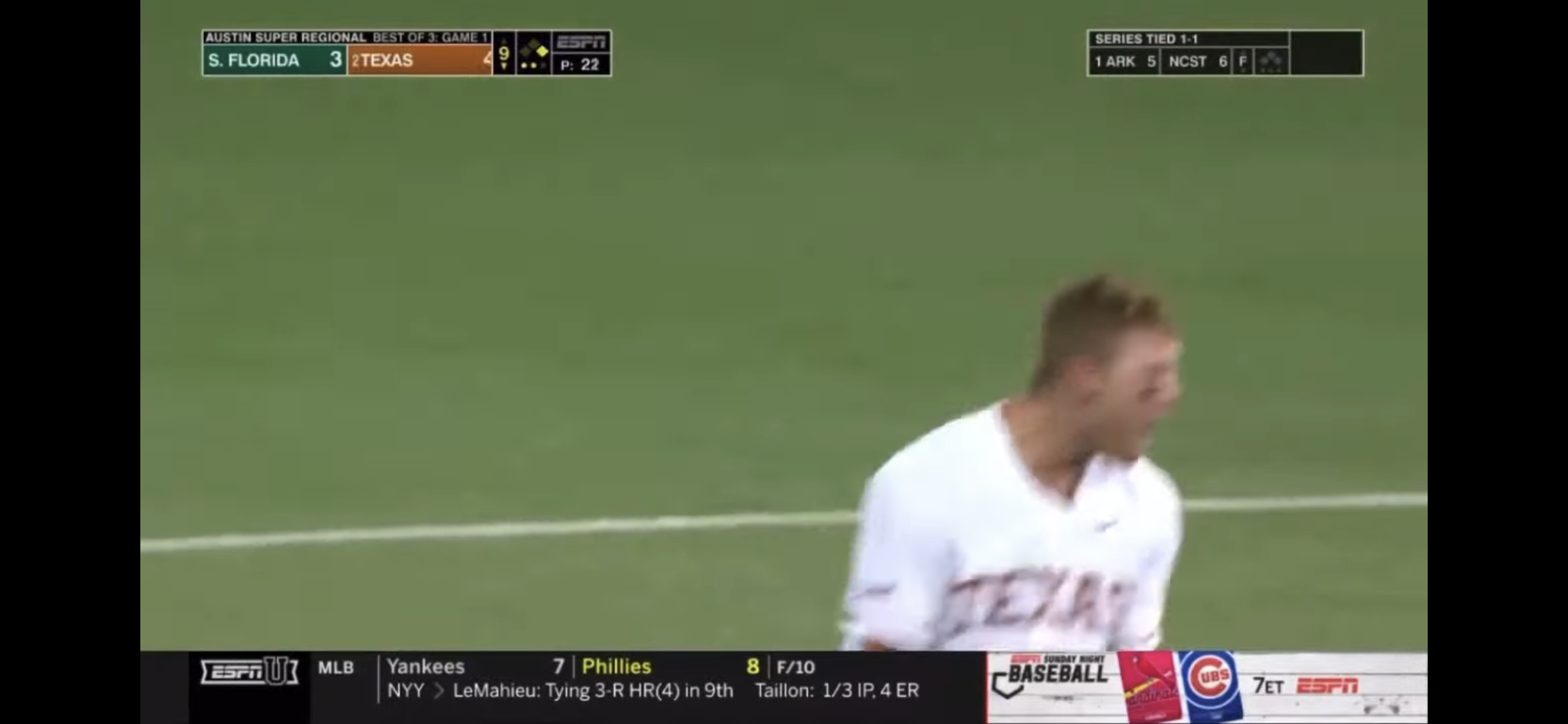
23 pointsI’ve gone to a lot of games this season but this was fucking bad ass. My daughter and I went apeshit when EK hit that ball and saw Silas busting his ass to get home and win the game. Daughter looks at me and says, “This was amazing Dad. I think I want to go to school at Texas. I love mom (2% aggy) but there is nothing better than this feeling.” Fucking tears for EK and me, bitches. FUCK YES!!! 🤘🏼23 points
-
17 points
-
Vic disagrees.16 points
-
14 pointsBefore I read through the entire thread, let me say I think I may have watched the game from the prettiest natural setting of the night. I am in Valdez AK for a week, taking a course. "Little Switzerland" today was 100% sunshine and 62 degrees. It is now cloudy, but at game time it was 62. The mountains still have a little bit of snow, and I found a nice little bar to watch the game on a great looking TV at the Best Western. I live in the bush of Alaska, so this is the first game I have seen this year. Overall, this was an extremely clean game. Weird observations from a weird person who left Texas to teach in Alaska: 1. What in the wide world of sports are those stupid looking oven mitts? Are we going to pull a cake out of a hot oven after we finish running the bases? 2. The ump gave us that first high-inside strike that I think I have read about here several times recently. I don't know why that stuck with me. 3. The S. Florida coach with the long-sleeve sweatshirt! Huh? It's 90+ degrees, right? I thought maybe he's trying to psych up somebody that heat is no big deal to them, because Florida, whatever. 4. Dumb no-call review on the stolen base. Our guy appeared to be safe to me. 5. The S. Florida DH who hit the curve ball halfway to Elgin. Wow! Obviously his scouting report was out-of-this world good. He knew the curve was coming. 6. I've read so much on here about base running problems. Good to see no issues tonight. 7. Ty falling off the mound toward first base was a little concerning, but who cares when he puts in a performance like tonight. 8. Fundamentals. S. Florida had them, except when they didn't, like the exchange problem and then the overly dramatic, almost dropping the ball on a fly again later. We had perfect fundamentals all night long. 9. I hope our hitters understand that this type of performance will not win games in Omaha. It might get us to Omaha, but if we do this in Omaha, we will be 2 and 'cue. Wake up the bats for tomorrow and let's win about 10-3 to finish this thing.14 points
-
13 points
-
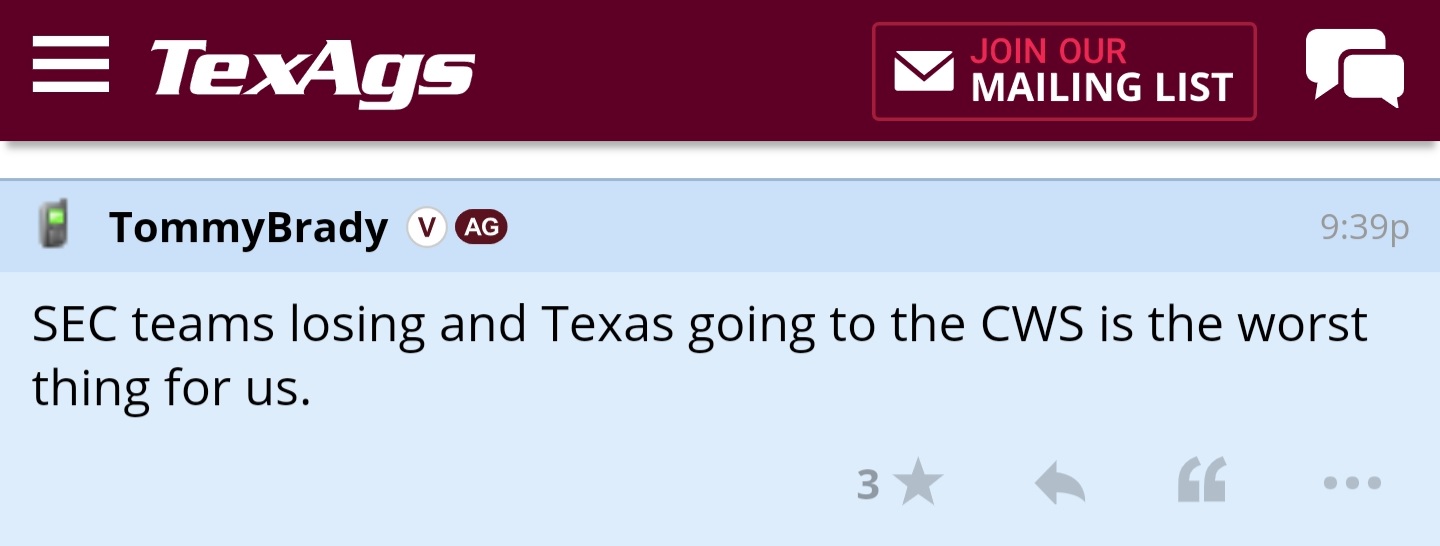
13 pointsOptimally you don't give up a 3 run lead in the top of the 9th at home against a Cinderella team - but again - looking around the country: 1. Arkansas - knotted 1-1 and playing win or go home tomorrow 3. Tennessee - edged LSU 4-2 in game 1 4. Vandy - didn't crack 4 runs scored in either win (and ECU isn't really any better than USF) 5. Arizona - currently getting hammered 10-2 by Ole Miss - likely headed towards a game 3 6. TCU - gone 7. Miss St. - edged ND 9-8 tonight 8. Tech - gone We handled business and put a mountain of pressure on USF going into tomorrow. We need a good start from one of the best starters in the country, a couple of innings from the deepest bullpen in the country, and about 5 good hits and we will be headed to Omaha in 24 hours. This team can play better and they will. And if for some reason they don't we are going to be fucking loaded coming back next year.13 points
-
12 pointsGet that OmaHorns shit outta here. It’s The University of Texas at Omaha god dammit12 points
-
Good news. Banks’ gal confirms that the monkey is helping with recruiting.12 points
-
12 points12 points12 pointsBro's we are really witnessing a re-uniting of Texas. Things are just starting to feel right again. I believe in sark.12 points11 points11 pointsIncogNeto. I'll see myself out11 points11 pointsBtw. Airlines. You aren't innocent in this issue. You've made flying such a freaking beating with your fees, seat pitches, and legroom etc. Treat your customers like cattle and don't be surprised if they behave like cattle.11 points10 points10 points10 points10 points10 points10 points10 points10 points9 points9 points9 points9 pointsNice photo. I have a better one.
 9 points9 pointsConcerns about Wylie?9 points9 points9 points9 points8 pointsMember that little tournament in Arlington about 4 months ago that was so important to some teams? Which teams from that thing are still playing?8 points8 points8 points8 pointsFun fact: nc state is always wearing their Raleigh caps.8 pointsThe only thing that's changed in the last few years is that 4-5 states legalized weed. And its not like being high on weed while flying is anything new. Like the above said that does not cause people to be psychotic. People are slowing losing their sense of decency and respect IMO. Added that people have been given the idea that flying is a public utility and somehow a right and that they can act like fucksticks because they paid $250 to fly to Mexico or Vegas. The whole "you can't tell me what to do" crowd and the Karens. Like I said. Make it a nationwide announcement by the FAA. If you cause problems or assault anyone on a plane you are going to get banned from flying on all US airlines, spend minimum 2 years in jail, and pay a $20,000 fine. Do this and it will stop.8 points8 pointsCritical theory examines how the bad parts of human nature get embedded in systems where they don't have to be embedded. Here, I think, may be where I diverge from some CRT: Just because a government is "erected' by a white majority doesn't mean it is inherently or inevitably racist.** But when a white government is erected by white people in an environment and era that is overtly racist and embraces subjugation of an entire race, that's going to work its way into the systems and structures of that government and society in ways the racist "erectors" or founders even didn't fully appreciate, much less the later comers that are trying to eradicate the racism. **I think some CRT believes that it is inherently and inevitably true. Maybe it is, but I think that's a pretty nihilistic view of human nature, which is where that criticism of it creeps in. While I acknowledge that protection and realization of self-interest is strongly embodied in our government, I have never considered it essential to my "protection" or self-interest or that of my family or peers to gain at the expense of others of another race. I do acknowledge that some aspects of realizing self-interest (an inartful perhaps articulation of "capitalism") comes at the expense of others, it's usually an abstract other, not a specific other. So, there are some people that are going to remain racist no matter what. I agree with you there. But, I think it's possible to mostly marginalize those people. What I see CRT doing is identifying relics or artifacts of racism that get built into the system because the system was created in an era where racism was not marginalized. Some of those artifacts can only be addressed by changing personal attitudes or removing those holding those attitudes from power, and that may be a tall order in a lot of cases. Other times, the artifacts are built into systems or structures that need to be refined or rebuilt. Let's give an example that kind of predates CRT, but is right down CRTs alley: juries. In retrospect, at least, it's fairly obvious that there is a huge potential for the indulgence of overt and very subtle racism by juries in their deliberations. That one is going to be hard to address, because it deals with people's internal attitudes and beliefs they may not even realize they hold. But you know what we can do? Tinker with the jury selection system to minimize the possibility of getting a tainted jury. Prosecutors may not have been overtly thinking "let's hang this nagger" when striking black jurors from a black defendant's jury. Some were, but others were just trying to win their convictions (and there may be a lot of subtle racism involved in how the prosecutors came to believe that securing the conviction is just or righteous and so on and so forth). But "we" didn't address this issue until 1986, and it isn't fully solved yet. That system, as well as others in the justice system, still need some work. Those that have followed me over the years probably see this as a "reversal" of position. And I guess to some extent it is. I am guilty of believing that racists had been mostly marginalized in this country. Recent events have proven that not only are they not marginalized, but they are sufficiently numerous and loud that they are on the verge of taking over in a minority-majority role. I'm also guilty of believing, to an extent, that "our work is done" with regard to civil rights. Yes, we've done a lot of the work in broad strokes, but there's a lot of fine tuning that remains. It's time to get to the nitty gritty. I see CRT, or aspects of it, as having value in "getting to the nitty gritty." I don't have to agree with it 100% up and down the line, but it has value. What I see proposed in DEI initiatives and real, concrete things being labeled CRT by the hysterical doesn't tend to include the more extreme aspects of some CRT. I tend to agree that extreme aspects of CRT may be a bit much for even high school students and don't endorse it being taught at that level. And at the university level, I have zero problem in full-on CRT being taught. College students should be able to handle it. I got a dose of it in the late 80s in law school and thought parts of it were fairly ridiculous, but it was thought-provoking for sure, has stuck with me for 30 years, and allows me to think about it and discuss it with some degree of insight. And that's valuable. Period.8 pointswho wears a helmet and knee pads on a plane and why doesnt that raise some questions before the plane takes off? profile that shit.8 points8 points7 pointsI’ve never been. My neighbor, years ago, would never stop talking about how awesome it was. It’s been on my bucket list since then. I’m scratching it off this year. My youngest is at Vandy. My family went and cousin teaches at Ole Miss…and the Horns will highly likely be there too. Maybe I should have started this in food and travel…but any must eat/drinks would be appreciated. If you’re there the first weekend…happy to grab you a beer. \m/7 points7 points7 pointsYou don't get into a land war in Asia, you don't get involved with a Sicilian when death is on the line, and you don't hit a ground ball at Trey Faltine with a runner on first.7 points7 points7 pointsWe need to show some respect to our fellow brethren who were also traumatized by Charlie Strong.7 points7 pointsI love the idea of aglets rushing to their TVs to watch the upset... only to see EK restore order7 points7 points7 points7 pointsThis leaderboard is set to Chicago/GMT-06:00Football ... Basketball ... Baseball ... Other Sports ... Futbol ... 🤫995🤫 ... Gambling ... Movies & TV ... Music ... Hobbies ... Lulz ... Food & Travel ... Daily Texan ... Business & Markets ... Cloak Room ... Help ... For Sale ... Board Discussion ... Advertise... Tailgate Donations
Account
Search
Configure browser push notifications
Chrome (Android)
- Tap the lock icon next to the address bar.
- Tap Permissions → Notifications.
- Adjust your preference.
Chrome (Desktop)
- Click the padlock icon in the address bar.
- Select Site settings.
- Find Notifications and adjust your preference.
Safari (iOS 16.4+)
- Ensure the site is installed via Add to Home Screen.
- Open Settings App → Notifications.
- Find your app name and adjust your preference.
Safari (macOS)
- Go to Safari → Preferences.
- Click the Websites tab.
- Select Notifications in the sidebar.
- Find this website and adjust your preference.
Edge (Android)
- Tap the lock icon next to the address bar.
- Tap Permissions.
- Find Notifications and adjust your preference.
Edge (Desktop)
- Click the padlock icon in the address bar.
- Click Permissions for this site.
- Find Notifications and adjust your preference.
Firefox (Android)
- Go to Settings → Site permissions.
- Tap Notifications.
- Find this site in the list and adjust your preference.
Firefox (Desktop)
- Open Firefox Settings.
- Search for Notifications.
- Find this site in the list and adjust your preference.