Leaderboard
-
cdain3
Legacy Members103Points1898Posts -

RamjetFDO
Certifiably Surly98Points6626Posts -
texifornia
Certifiably Surly79Points41989Posts -

HenryJames
Burnt Ends73Points33191Posts




Popular Content
Showing content with the highest reputation on 01/20/22 in all areas
-
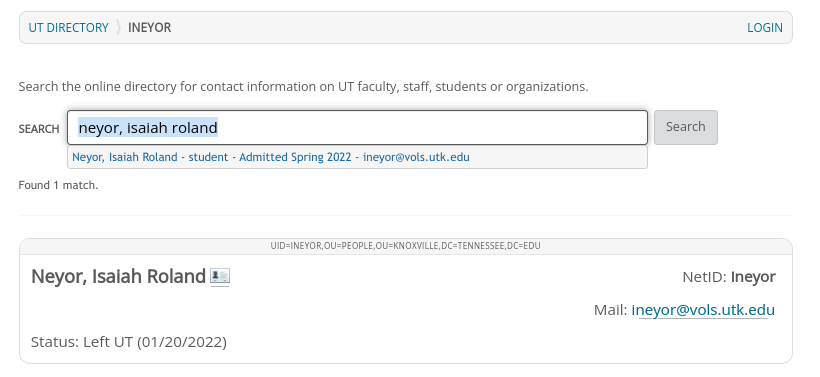
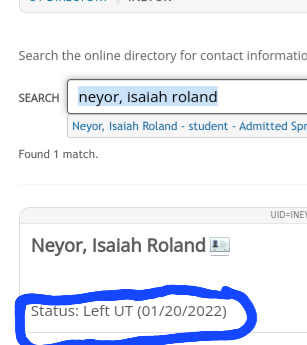
77 pointsBOOM. Per GH "Per a source extremely close to On3 Consensus 4-star DL Jaray Bledsoe, he has been cleared by the NCAA and admitted to Texas. Bledsoe has moved into his dorm in Austin, and will begin working out with the team immediately. The Longhorns staff continued to fight and work on this one when it looked less than 50-50 a week ago."45 pointsThanks. It is also good to still be alive. Also, after getting really into Spiderman a few years ago, my kid read all of the Dragonball, Dragonball Z, and Dragonball Super manga. volumes. We've moved on to Naruto, now. So maybe you have that to look forward to. Don't fuck with me on anime or Disney princess trivia. Also, I'm wildly successful, happily married, and good looking and shit. You better hope your cheerio-spawn fall far enough from the tree that they grow up to be me.36 pointsYou two should just fuck and get it over with.36 points33 points33 points31 points30 pointsToo bad. Your motto could be 'Only my mom has gotten more dudes off.'30 points30 pointsBreakdown: Neyor visits Visit goes swimmingly Neyor leaves Tennessee’s school online student directory, seemingly unenrolling Marion tweets sucks for you Tennessee in the form of new age rap lyrics. Seems as if Neyor is ours26 points26 points26 pointsI think you might currently be having a stroke23 pointsFrom a poster on 247
 22 points21 pointsNo, other than two federal court appointments over the course of my career, one I parlayed into a Fifth Circuit argument in New Orleans. I mainly sue message board administrators.21 points17 pointsOkay, to sum up this whole Moody thing, I didn’t know this guy existed two weeks ago, then I definitely wanted him, then when he was leaning our way I began to think he was a jag, and now that Saban wants him back I’m bitterly disappointed. Good times…16 points16 points15 points15 pointsI see now some of you are going to have a real rough time now that we have younger coaches on the staff that are active on social media.15 points15 points15 pointsNobody here should complain about a player getting developed by Bama for an additional 5 months before Choate gets involved13 points13 points13 points13 pointsGood to see you're still alive, fatkid. Two of my boys have gotten into Dragon Ball-Z or whatever the fuck it is called. While I was listening to them argue about it the other day, I remembered you and some other dorks arguing about it a few months ago on one of these threads and thought "Christ, how am I going to keep these two dorks from turning into fatkid?" Good times.13 points13 points“I’m vaxxed but here’s some anti vax talking points” has officially replaced “I didn’t vote for trump but here’s some pro trump talking points” for our resident trolls.13 points13 pointsYeah, it is definitely not the most rational approach, but with respect to German experiences/approaches to Russia, it isnt based on any form of pure logic...there is also a huge, huge element of collective, national, mind-fucking trauma that occurred at the hands of the Russians, and that has stuck in the national attitude. Your average German’s right eye will start twitching at even the mention of another war with Russia. The Red Army truly fucked up this country’s psyche something fierce and that has been passed down intensely, particularly in the German version of the Boomers and Gen X. The Germans fucked around and found out on the battlefield, and their old men who didn’t fight were beaten or killed and many of their mothers were raped by Russians, and that shit stuck. Big time. So, just as the trauma of the Eastern Front and subsequent Soviet occupation of those Central and Eastern European countries forms their justifiable geopolitical stances towards Russia, respectively, the ass-whipping annihilation that the Russians put on the Germans at every level of society forms much of the German position now with respect to fighting/engaging in “the East” now. I see it all the time within my wife's family. Just two days ago we were at the local cemetery with my in-laws for the monthly tending to family graves, as is customary here. Walking through the cemetery, I can count at least two dozen “Missing in Stalingrad/Missing in Ostfront” gravestones, including one in my wife’s family (Stalingrad). Shit is everywhere, particularly in certain cemeteries in Munich proper. The death dates between 1943-1947 are insanely disproportionate. Another example from my own experience… there are family photos taken in what looks to be about 1957-59, given my mother-in-law’s age in the photo. They are candid shots around a beer bench at my wife’s family land in Southern Bavaria, with a few from the house where my in-laws live now, and there is a man there dressed nicely but oddly positioned just far enough from the group to indicate he was somewhat involved in the goings on, but weirdly separate with a blank expression on his face. It is this way in every photo of this guy, on multiple different occasions over the years. Just this dude…nice-looking, well-dressed, physically removed from the group and blank-faced…1000 yard stare type shit. So after years of coming across this picture at various times, I finally asked my mother-in-law what the story was with this guy, and she just said, “Oh, he was my uncle that fled with my mother and aunts from the Sudetenland during the expulsion. He was the only of the brothers who survived and he never snapped out of it. He died in the early 70s, he lived with us until I was 22, but he was always somewhere between shellshocked and scared. I never really knew him because he was never really “there” upstairs." She "never really knew him", yet she saw him every day...ate dinner with him all the time...celebrated holidays, birthdays, and life events...but he was "never really there." So the impact of a Russian ass-whipping isn't abstract like it is to us. So, the point is, reminders are everywhere…and not reminders in the form of memorials or public statements or vigils or lapel pins, but in the form of family members with 1000 yard stares at the dinner table, gravestones for missing uncles in family cemeteries, warnings from mothers to daughters to avoid Russian males on the street corners, stories from Opa about his cold feet wrapped in newspaper shoes, buried in the snows of the Great Steppe for what felt like an eternity. Yeah, that shit leaves an impact. In short, this was highly personal trauma that wasn’t able to be “dealt with” in a natural, collective way, IMO, and due to the collective guilt, was expected to be pushed down and managed privately. So they became experts at burying their heads in the sand. Drives me crazy, but God they have perfected it. I could write a book on how fucked up the situation with the post-war children was. They took the process of national atonement very, very seriously and they scrambled the fuck out of a generation of young minds in the process. And by “dealt with” I mean in the way that the victims of German and Soviet aggression were able to. The Czechs or the Poles or the Balts, for example, were able to rely on each through their collective victimizations and re-build together, forging a new chapter of resilience in their long existing national identity, which, of course, contains an element of a collective national outlook on security matters/positioning. The post-war Germans didn’t do that. They worked through the post-war trauma in a highly individualized and repressed manner, primarily through shame in their parents, fear of it happening again and internal guilt (albeit self inflicted by the actions of their parents and grandparents, of course). They didn’t have a moment during their national reckoning where they collectively (through their leaders) defined a constructive, newfound role for Germany on the international stage independent of avoiding a repeat of their past sins and trauma…and, as such, their foreign policy ethos is comprised of guilt, trauma, and the fear of experiencing it again…but certainly not any element of leadership or assertiveness abroad. So it is basically a wealthy, wealthy country with little idea of how to finally act comfortably in a role of leadership when hard power is required. And to be clear, in no way do I mean this as a justification for their feeble foreign policy positions, but I do think it comes down to much more than just a desire for cheap energy. But, to be sure, that plays a huge part as well.13 pointsA&M was beyond confident Bledsoe wouldnt qualify, it would've been a dog fight for him otherwise and they likely would've bagged him hard. Serious athlete. Today has been a good day.12 pointsYeah, disagree. Because anyone who gets Luke Brockermeyer off the field is a “fuck yeah” player.12 pointsThis is yet another instance of blatant anti-democratic, anti-american, SEDITION that will just be shrugged off by the vast majority of Americans. The Republican Party are traitors to this nation and its ideals. It is that simple. ETA: Trump and the others who were the high up planners of this should be hung. Not fined, not imprisoned, hung.12 pointsLanding Neyor is a big f’in deal. Top 2 or 3 WR that went in the portal. Changes the whole outlook of the offense IMO. Feels weird to have a WR coach that doesn’t suck. It’s been a while.12 points12 pointsThis one's Elsa. - @Katfid5412 points12 pointsUse your eyes. PFF says there was a worse linebacker than Brockermeyer. I don't buy it.11 pointsThat's...fucking huge. That kid needs and off-season and time to acclimate to college like nobody's business. He couldn't play football in the fall, and his mom basically strapped herself to his back master-blaster style to get him academically eligible. But even this exceeded everyone's expectations.11 points11 pointsI simply answered his question. Frankly I didn't read the rest of the post too carefully. But, to be fair to Skipper, I've gone back and considered his post in toto. This is a fair point. It's typical of our online social network/message board world, sadly. I'm curious as to which experts in the field have come out against vaccine mandates? I mean, I get it if your point is that their utility decreases as time goes on, but in terms of actual data, mandates have proven to be very effective (e.g., United Airlines deaths before and after mandate was issued). Are there a significant number of experts (not cranks or politicians) arguing against mandates? I've not seen much evidence of that. A quick Google search brought up this article. I found the arguments against mandates to be weak. Of course, my perspective is biased because I am in favor of mandates. https://www.bbc.com/news/world-59506339 Perhaps you are one of the few sincere posters who doubts the benefits of mandates despite the evidence to the contrary, and who finds the arguments against imposing the mandates to be more persuasive. You're certainly entitled to your opinion. But most of the posts on this board that advocate against mandates typically imply that the vaccines themselves are bad or unnecessary, which is what will get you labeled as an anti-vaxxer if you're posting along with those others (even if that wasn't your intent). You're certainly entitled to your perspective. I think it's flawed. I was a staunch conservative throughout my formative years and thought I was until quite recently (within the last 6 years). As I've said many times on this board, I was the founding member of my law school's Federalist Society. Yet, I'm regularly labeled here as part of the CR liberal cabal. So make of that what you will.11 pointsSure let me give the guy a lesson in recruiting since he's been on the job a few weeks and has accomplished more in recruiting in those two weeks than our last coach has in several years.11 points11 pointsMy son graduates from Marine boot camp tomorrow! Today was the first time I’ve seen him since October. Proud mom here!10 points10 pointsif you ever feel bad about yourself, take solace that you're not an aggy10 points10 points10 pointsMade some gumbo with a side of French bread with Cajun butter last night. Was delicious.
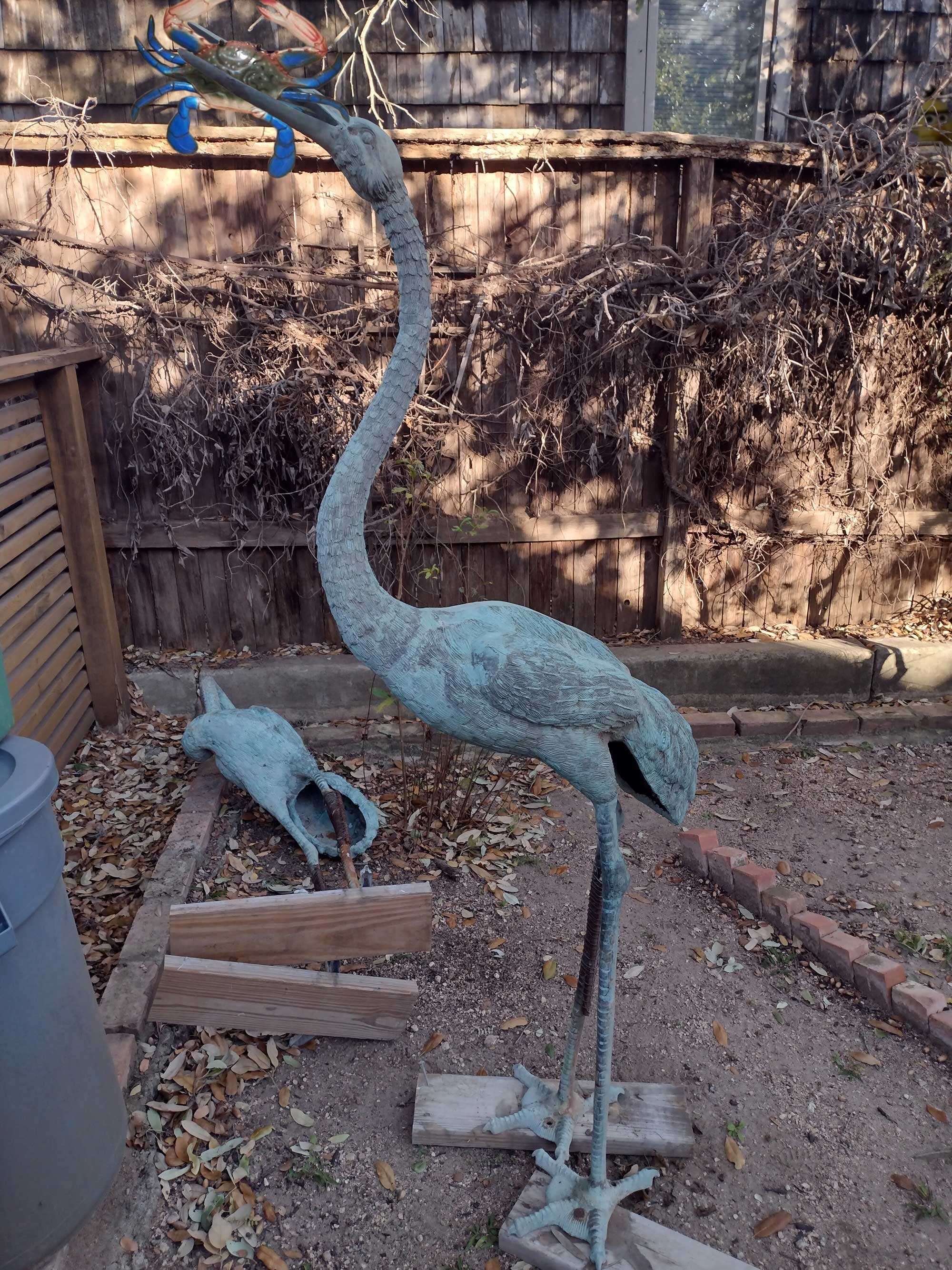
 10 pointsWhat in the name of fuck are you two talking about? Explain it to me like I'm a white male in his early 40's who's most recent album listens for the last 12-24 months have been Disney soundtracks or Kidz Bop.10 points10 pointsWe have two old cats, 19 & 17. Both are in pretty good shape but the 19 yo is deaf and half senile. No reason to put her down, she's just getting old. She has a hard time hitting the litter box and ends up peeing on the floor, so I got a plastic tray to put under the litter box. We add a pad and that takes care of most the problem. Occasionally we have to take it out in the back yard and rinse the tray off. The other day I came in and the tray was in the kitchen sink. I asked my wife why the hell was it there and not in the back yard. She said the back faucet was covered and she couldn't use it. I told her the cover comes off in 10 seconds, but even so, why didn't she just wash it off in the shower and not the sink. She said she bathes in the shower and didn't want to get it dirty with cat pee. I ask her if it made her feel any cleaner by washing it out in the sink we use to clean our cooking utensils, plates and silverware. Tone and silence.10 points10 pointsSorry motherfucker, you can't put that Ginny back in the bottle.10 points9 points9 points9 points9 points9 pointsMy wife says crane. So it's almost certainly a flamingo or heron or a fucking chupacabra what the fuck do I know. What I do know is that in a few months, once she's forgotten about them, that sumbitch and it's ugly twin are going to be "stolen" from our yard and thrown in the dumpster at my office.9 pointsThis leaderboard is set to Chicago/GMT-06:00Football ... Basketball ... Baseball ... Other Sports ... Futbol ... 🤫995🤫 ... Gambling ... Movies & TV ... Music ... Hobbies ... Lulz ... Food & Travel ... Daily Texan ... Business & Markets ... Cloak Room ... Help ... For Sale ... Board Discussion ... Advertise... Tailgate Donations
Account
Search
Configure browser push notifications
Chrome (Android)
- Tap the lock icon next to the address bar.
- Tap Permissions → Notifications.
- Adjust your preference.
Chrome (Desktop)
- Click the padlock icon in the address bar.
- Select Site settings.
- Find Notifications and adjust your preference.
Safari (iOS 16.4+)
- Ensure the site is installed via Add to Home Screen.
- Open Settings App → Notifications.
- Find your app name and adjust your preference.
Safari (macOS)
- Go to Safari → Preferences.
- Click the Websites tab.
- Select Notifications in the sidebar.
- Find this website and adjust your preference.
Edge (Android)
- Tap the lock icon next to the address bar.
- Tap Permissions.
- Find Notifications and adjust your preference.
Edge (Desktop)
- Click the padlock icon in the address bar.
- Click Permissions for this site.
- Find Notifications and adjust your preference.
Firefox (Android)
- Go to Settings → Site permissions.
- Tap Notifications.
- Find this site in the list and adjust your preference.
Firefox (Desktop)
- Open Firefox Settings.
- Search for Notifications.
- Find this site in the list and adjust your preference.