Leaderboard
-

Nicole44
Burnt Ends117Points24706Posts -

MillerEP
Certifiably Surly110Points14996Posts -

atomheartbevo
Certifiably Surly74Points63425Posts -

tx 3 putt
Legacy Members62Points79509Posts




Popular Content
Showing content with the highest reputation on 03/06/22 in Posts
-
32 points32 points23 points20 pointsAre you fucking kidding me? I wandered over to that cesspool right now and top stories include claims that Ukraine is destroying evidence of U.S. biological weapons labs and a story about how Tony Blair thought the invasion of Iraq was the right thing to do. One part pure disinformation to one part completely irrelevant. If you think it’s objective you need a check on your critical thinking skills.20 points19 points19 points18 pointsMy dad is an amateur cartoonist. He just sent me these two he did last night. I like how he is thinking!
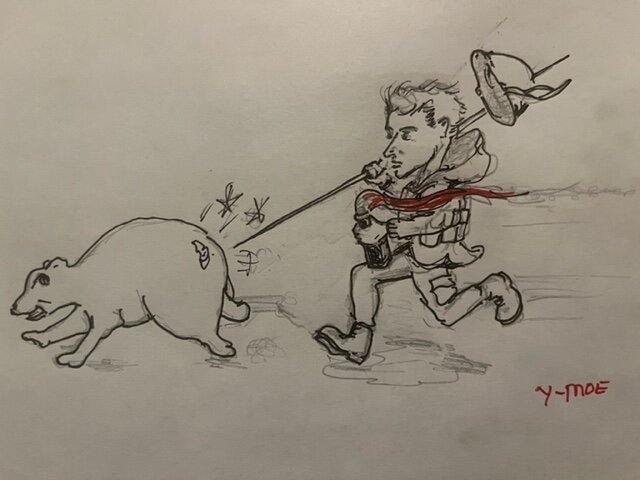
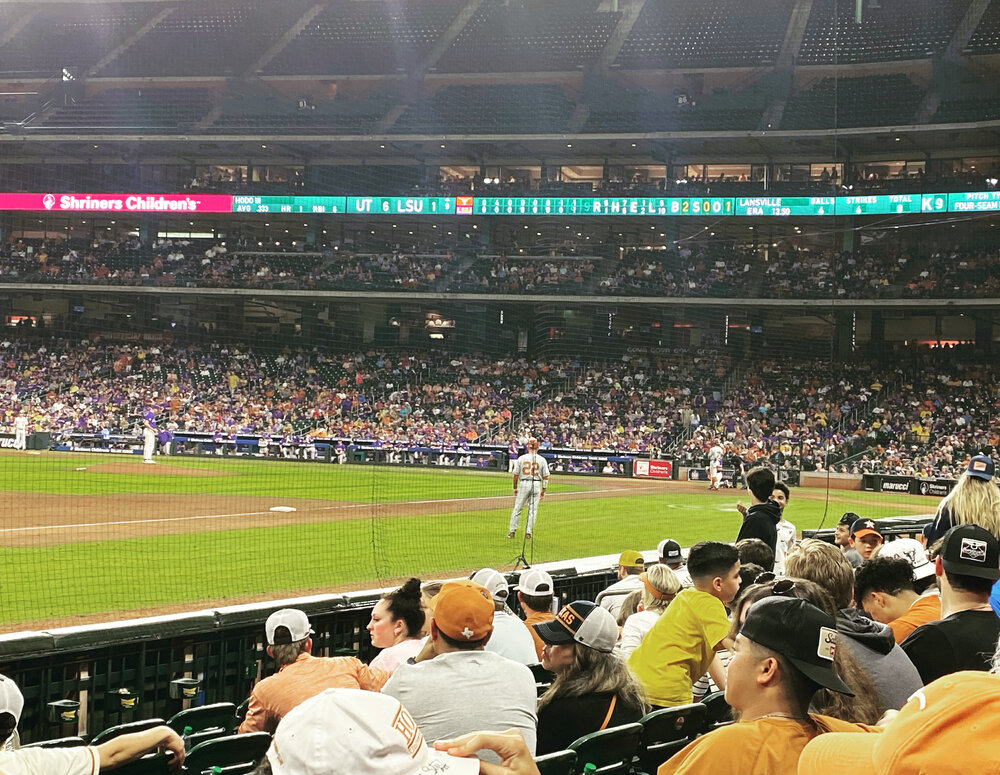
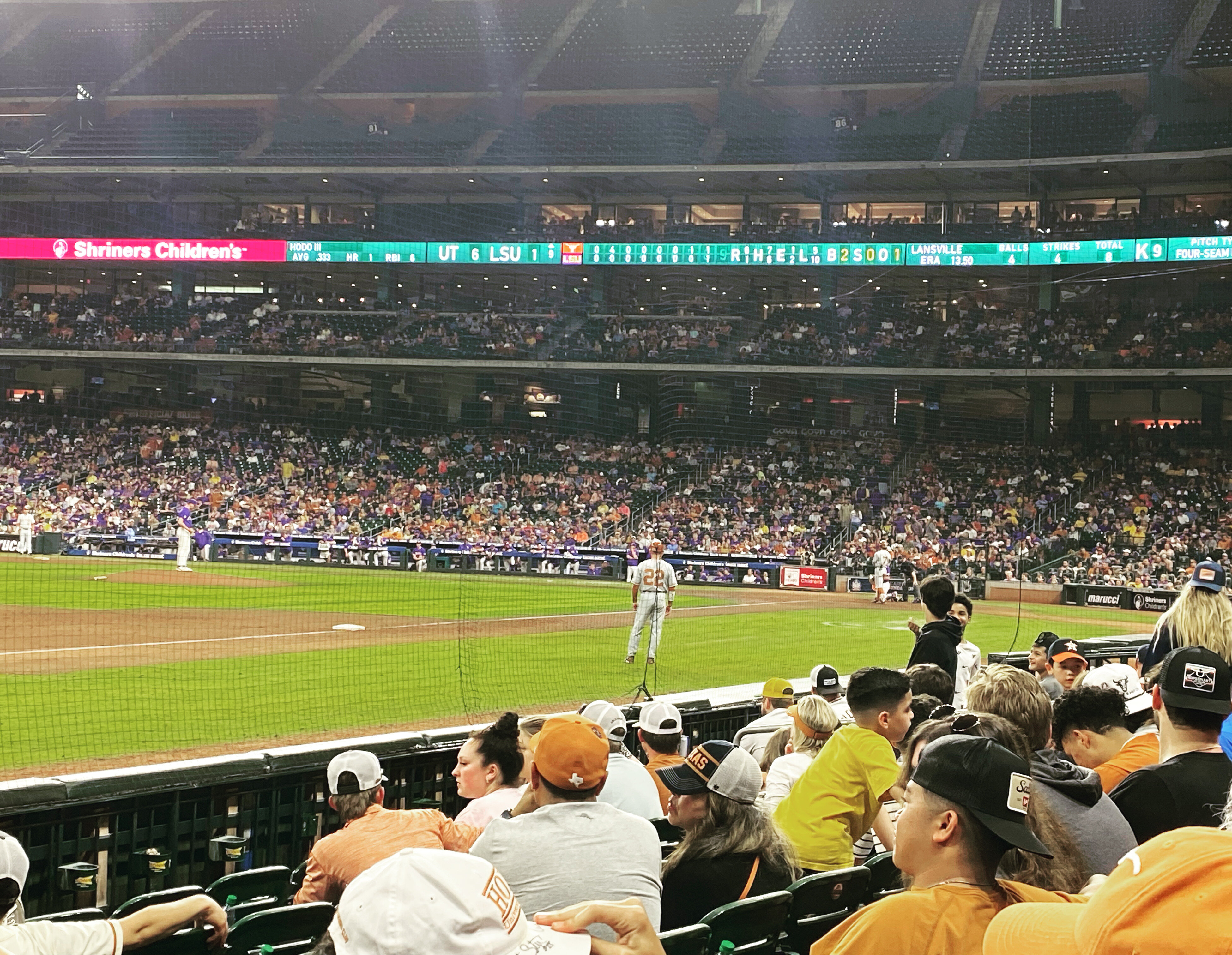
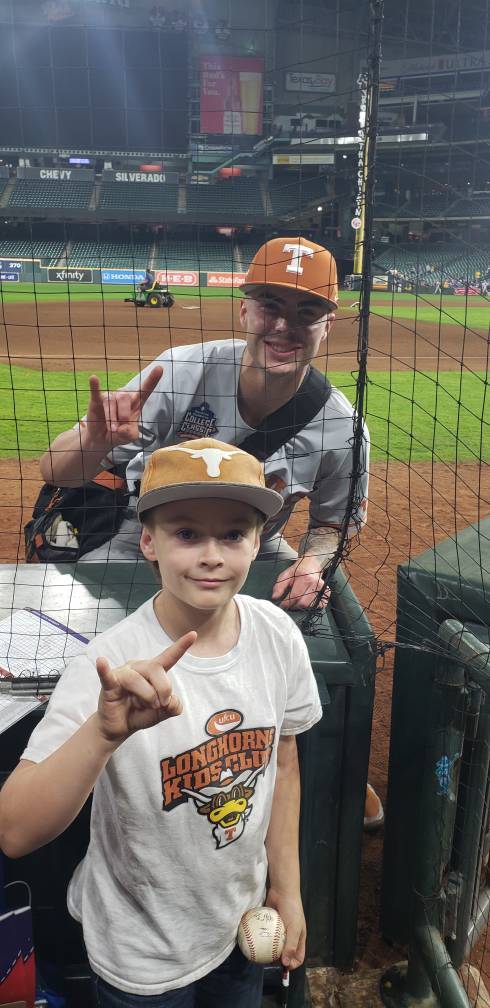
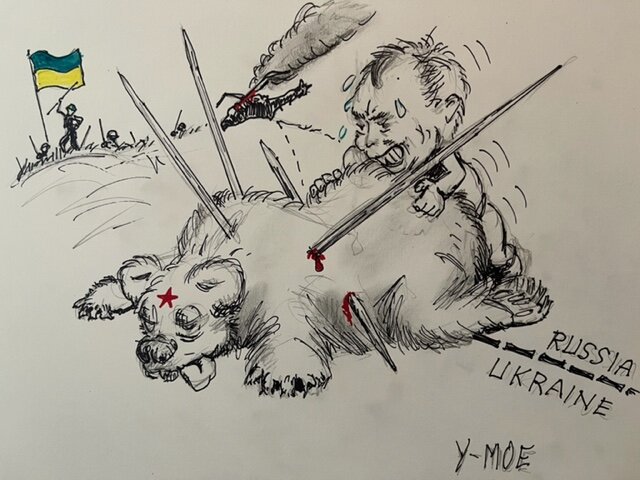 18 points18 points@workswithseed @TurkeyChew this is what censorship is. Just for your reference, since I know y'all had some challenges with definition18 points18 pointsA few personal notes from being at the game… sat in 110 row 3… 1) the ballpark smelled like the Jester Wendy’s. I haven’t been in that Wendy’s in over 10 years but the smell was identical 2) my best friend is from New Orleans and has been shit talking me and a whole group text of UT guys all month. He lost a lot of money to us tonight. 3) LSU fans were numerous and loud as shit until Hodo’s HR… they tried to get loud a few times after but it was never the same as before that hit. 4) Goddamn, how is anyone going to win a series against us with this filthy fucking pitching we have? Happy to see the offense has come around this year too… too often we have pitching but zero offense. Let’s go win the whole damn thing
 18 points17 pointsShocker. You don't like me. OMG a girl is posting here. Someone with tits has an opinion. If you do get laid, I doubt its much or any good. "A lot of Nicole's posts suck, imo. I wish she'd just fuck off and let us real men on the board post our real man important stuff. Or just those of us who are real serious minded. Those of us who are scholars on the war in Ukraine and have so much to offer. If she'd just fuck off and find another board to post on this thread would be so great. Like us absolutely fair minded folks in the CR led by our not at all goddess from Bama." Well you can wish in one hand and crap in the other, piece of dick.17 points17 points16 points16 points15 points15 pointsI really think the Israel tie-in is worth watching here, because they are not coming into this due to altruistic concerns over Ukraine itself. They clearly do not like the speed and direction that the JCPOA renegotiation is moving and there are multiple reports out of Israel saying that they feel betrayed by the US and are concerned that they have lost all influence over the JCPOA negotiations in Vienna. And those negotiations are a cunt hair away from wrapping up. Considerations in no particular order, and without deep analysis, but rather just a random vomiting of thoughts: - The West now has a huge incentive to get the JCPOA situation sorted so that an additional 1.5mm bbd can hit the global markets. So essentially, Israel is left somewhat isolated now on an issue that many in their leadership see as critical to Israeli national security. - Russia has massive influence throughout the ME, not only with Iran, but also with plenty of other actors that impact Israeli security and power. - The White House apparently gave a grudging go-ahead for Bennett's trip to Moscow, but was not thrilled about it. So Israel is most likely acting in its own interest here, not as an extension of American influence - For all the mutual influence that Israel and the US share over each others domestic politics, keeping fuel costs in Peoria from hitting 6-7-8 bucks per gallon is way more important to a self-centered politician in DC than ensuring Israel’s security. - Israel's security is more important to Bennett than that same congressman's electoral chances in Peoria - Iran is heavily dependent on trade with Russia and Russia have tens of billions of dollars in arms deals in place with Iran at the moment. In fact, before this thing started heating up, Iran was set up on Russia’s SPFS, the alternative to SWIFT, so Russia is an important economic/security lifeline to them and the impact of sanctions on that is yet to fully be understood - Iran depends on Russia for the influence that they have with Damascus, as Syrian security depends on Russian involvement, but Russia does not depend on Iran to influence Assad and Assad can survive without Iran. - Reducing/controlling Iranian influence in Damascus is critical to Israel's sense of security. - Russian influence over Damascus is not particularly objectionable to Israel, and to some degree is beneficial so long as it is used to leash Iran instead of enable it. - The Gulf Arabs have all kinds of different angles and interests here, ranging from security to energy plays to domestic concerns...too many to even get into. - Not even getting into the Turkish angle, as that would take pages. The circular/criss-crossing/clusterfuckerific interconnectivity between all of these players is much more critical to Israel, Iran, Syria, the Gulf States, and to some degree Turkey than it is to the US or Russia. But the amount of relief afforded to the global economy - including the US to a significant degree - from the inevitable blowback of Russia being isolated from global commerce is most easily mitigated by moves from the Middle East…by Iran and by players both for and against Iran. The fact that Bennett took off - on Shabbat nonetheless - to Moscow for a three hour plus meeting with Vlad and then stopped off in Berlin unannounced to the public to meet with Scholz indicates that something serious is being discussed there. And that doesn’t mean it is something good for the US or bad for the US, notwithstanding the fact that it is one of American’s closes allies in the middle of it. No one knows anything other than it surely is significant. In an incredible and almost instantaneous 180 degree switch in strategic positioning, Russia would now benefit by blowing up the JCPOA IF it could leverage its willingness to gum up the works for relief elsewhere. Killing the JCPOA would be huge for Israel. And Israel can absolutely influence things relating to Russian market access and sanctions “loopholery”. But Russia’s close ally Iran would be livid over Russia enabling the second death of JCPOA at this late stage. And on and on it goes, ally by ally, enemy by enemy, relationship by relationship. I am not even going to try to predict all the ways this could unfold. There is no way anyone outside of highly placed actors can truly know what is going on, but I think we can all rest assured that it is very, very complex and that every player is now playing for their own self interests. And those self-interests are for the first time in recent memory not necessarily consistent with traditional post-Cold War alliance structures. But perhaps one takeaway that we have learned from this past two days is that Naftali Bennett does, in fact, roll on Shabbos.15 points15 pointsOkay everyone, stop posting autoplay shit from Reddit, especially useless bullshit memes. Fuck Reddit in general, the whole of it entirely, but there is one video posted to 57 subs just 6 hours ago that's incredibly powerful. Note his plea (at the end of his interview) to Ukrainians who take Russian POWs, to save their health and life, because, "if you let them die, nobody will be able to go to our homeland [back to Russia] to tell them what happened here."15 points15 pointsThe legend and Tristan Sent from my SM-G960U using Tapatalk
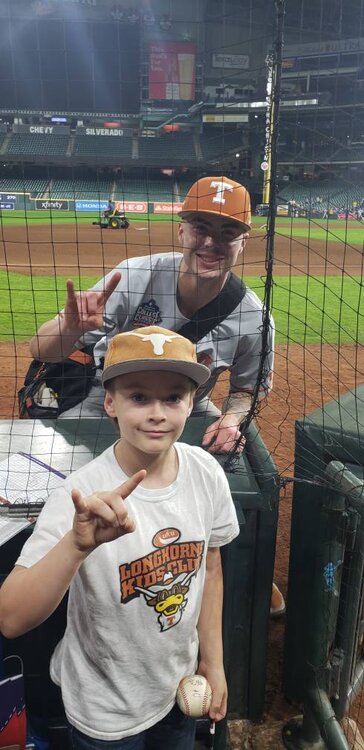 15 points14 pointsOr maybe, stop making a thread about a bloody invasion and the death of thousands about you. It's uncouthe and shitty. It's also shitty when people make sexist comments about you. Ignore them. She isn't making it about her you fucking mouth breathing idiots who just could put her on ignore are. This absolutely is the appropriate thread to cheerlead for Ukraine and nothing she posts is remotely off topic. Use the ignore function you thirsty asshole.14 points14 pointsCopy-pasting into one giant text the FSB Officer's analysis from Igor Sushko's post above because it's interesting, (the parenthesis are Igor's comments): Quote since it's long.14 points13 points13 points13 pointsIt would be nice if nuclear weapons weren’t a thing and we could just go curb stomp this shitty Russian army.13 points13 points13 points13 points13 points13 pointsNo, no….being ticketed and towed for parking illegally in downtown Ottawa is true facism.13 points13 points13 points12 pointsYes, those poor, young, beautiful girls. Holding each other tight for warmth in the cold night, frightening but brave, not knowing if this night is their last and if death will come tomorrow, then, an innocent kiss from a friend for comfort turns into som…….. I’ll be right back…12 points12 pointsOr maybe, stop making a thread about a bloody invasion and the death of thousands about you. It's uncouthe and shitty. It's also shitty when people make sexist comments about you. Ignore them.12 points12 pointsIMO, the minimum requirement for putting stock in a particular outlet should be whether they post/print stories that would constitute good and bad news for each respective side...particularly in situations like this one, where there is plenty of good/bad news for each side to go around. But there are certain outlets that are regularly posted and quoted as reliable by blue checks on social media that literally post nothing but good news for the Ukrainian side. Which to some degree, I understand is important to keep up spirits for an underdog like Ukraine, but it shouldn't be treated as reliable news and it does a disservice to those who rely on media coverage for their understanding of the events on the ground. And for a bunch of jerk-offs on a college football board I guess it isn't a big deal, but the degree that those blue check mark journos that amplify some of these clearly biased outlets as fact gets annoying, as it requires a ton of sifting through to get an accurate picture. I have essentially just switched over to German language media since the desire for Twitter peer-group-acceptance by German reporters is essentially zero. Twitter-impact just isn't something that is that big of a deal here...probably because half the individual words in the fucking language encroach on the 280 character limit in the first place. Both professionally and personally, I trust: Govt Twitter Accts/Websites to hear what a government wants to say openly, access-based "senior govt sources say" legacy media to find out what a particular Govt wants to leak anonymously, proven and reliable "direct" Twitter sources to get real-time facts on the ground. And even Surly to learn shit about shit that I don't know. I mean hell, this thread alone you can see military dudes explaining military shit, humanitarian aid professionals explaining humanitarian missions, country experts, and the muthafuckin' Notorious NERC Mafia talk about SCADA systems. And then do my best to figure out what is going on myself. Sometimes I am right, sometimes I am wrong, but I trust that way more than I do most of the shit I see on Twitter.12 points11 points11 points11 points11 points11 points11 points11 points10 pointsThe dad was the only one with a pulse, saw a picture where they were trying to save him. If that’s me lying there next to my dead family, don’t worry about it.10 points10 pointsSaw this meme this morning but decided not to post it. But it's notable that Bill Kristol is retweeting it.10 points10 pointsDon't be a whiny bitch pussy. That thread is fine there's tons of good links. There's no other thread needed. Here's all you need to know: It's 11 days in and Russia hasn't even fully captured the Russian sympathetic Eastern Ukraine cities and have gotten so flustered they're targeting civilians now. That alone tells you theyre fucking it all up. The propaganda isn't hard to cut through if you look at the big picture actions. If you want proof they're targeting civilians watch some BBC and CNN. They're showing dozens of residential neighborhoods being bombed out and bodies in the street. That doesnt happen by accident.10 points10 points10 points10 points10 points10 points10 points10 pointsA morning take from Tigerdroppings. Should someone tell him? Texas threw their #1 we threw our #310 points10 pointsLsu fans at biggios after the game. We had a bad game, wait till you have to play sec every weekend, you won’t be this good. Told em that we beat the shit outta you, and if we played you every day this weekend, we’d beat the shit outta you 3 times. This isn’t football, the sec will take our asskicking every weekend and love it.10 points9 points9 points9 points9 points9 points9 points9 points9 points9 points9 points8 pointsNow Russia knows how Texas was feeling playing Kansas last Fall.8 points8 pointsSo are the Israelis there to haggle them to death in their stalled convoys?8 points8 pointsOh crap. I'm in the wrong thread. I apologize to everyone here, including the moderators. Good chance I'll get banned for this, and I'll accept my punishment. ETA I'm sorry.8 points8 points8 pointsThis leaderboard is set to Chicago/GMT-06:00Football ... Basketball ... Baseball ... Other Sports ... Futbol ... 🤫995🤫 ... Gambling ... Movies & TV ... Music ... Hobbies ... Lulz ... Food & Travel ... Daily Texan ... Business & Markets ... Cloak Room ... Help ... For Sale ... Board Discussion ... Advertise... Tailgate Donations
Account
Search
Configure browser push notifications
Chrome (Android)
- Tap the lock icon next to the address bar.
- Tap Permissions → Notifications.
- Adjust your preference.
Chrome (Desktop)
- Click the padlock icon in the address bar.
- Select Site settings.
- Find Notifications and adjust your preference.
Safari (iOS 16.4+)
- Ensure the site is installed via Add to Home Screen.
- Open Settings App → Notifications.
- Find your app name and adjust your preference.
Safari (macOS)
- Go to Safari → Preferences.
- Click the Websites tab.
- Select Notifications in the sidebar.
- Find this website and adjust your preference.
Edge (Android)
- Tap the lock icon next to the address bar.
- Tap Permissions.
- Find Notifications and adjust your preference.
Edge (Desktop)
- Click the padlock icon in the address bar.
- Click Permissions for this site.
- Find Notifications and adjust your preference.
Firefox (Android)
- Go to Settings → Site permissions.
- Tap Notifications.
- Find this site in the list and adjust your preference.
Firefox (Desktop)
- Open Firefox Settings.
- Search for Notifications.
- Find this site in the list and adjust your preference.















.thumb.jpg.2aa9a3e35352a53c82a1ff328cd4fd5d.jpg)