Leaderboard
-

956 Worldwide
Full Members80Points12221Posts -
brakeman
Legacy Members72Points12255Posts -

atomheartbevo
Certifiably Surly50Points63425Posts -

MillerEP
Certifiably Surly41Points14996Posts




Popular Content
Showing content with the highest reputation on 04/03/22 in Posts
-
15 points
-
14 pointsThis is disgusting. So wartime atrocity is committed and your conclusion is that if and only if it has happened in each city the Russians withdraw from the international indictments shuld go up to Putin. Way to take a stand, man. Very courageous. Thoroughly unsurprising to see that you are still basing everything on a complete disrespect toward Ukraine. Ukraine is a sovereign nation. Ukraine has been invaded by a hostile enemy. And you still can't imagine the fact that they actually want to fight off the invaders for themselves, you can only view the entire situation through an America-centric prism. You are one big bag of internally contradictory viewpoints. Let's review your stellar input to this thread. "I hate imperialism, also we should let Russia have Ukraine if necessary." "I hate countries telling other countries what to do, also the UN should dictate foreign policy for Ukraine by force if necessary." "I hate you war hawks that are only concerned with Ukraine for selfish reasons, also Ukraine should surrender so that the world is stable and my life isn't affected." "I hate war because bad things happen, but let's not be hasty about these documented atrocities maybe they're not that bad and Putin shouldn't be held responsible unless there's a bigger pattern."14 points
-
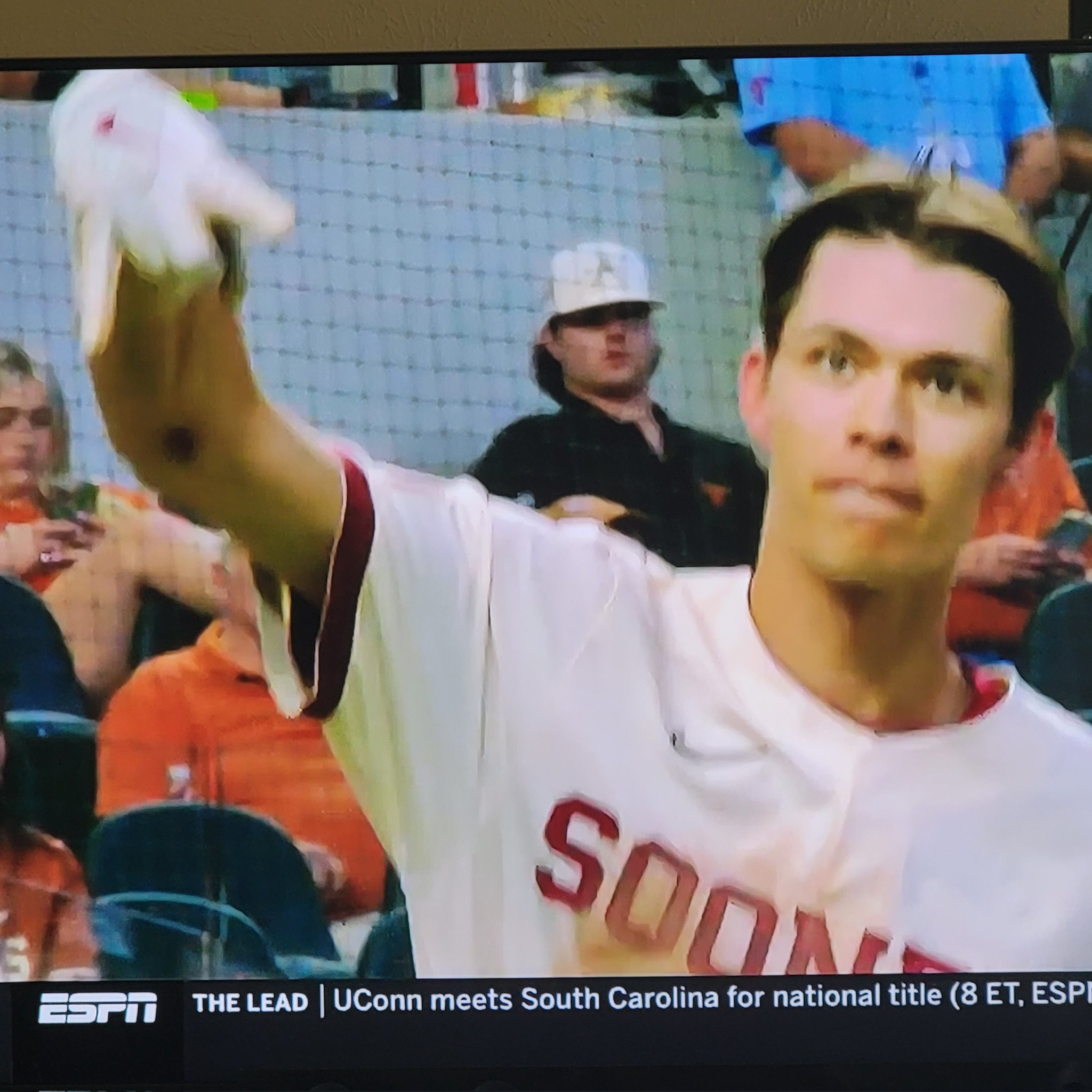
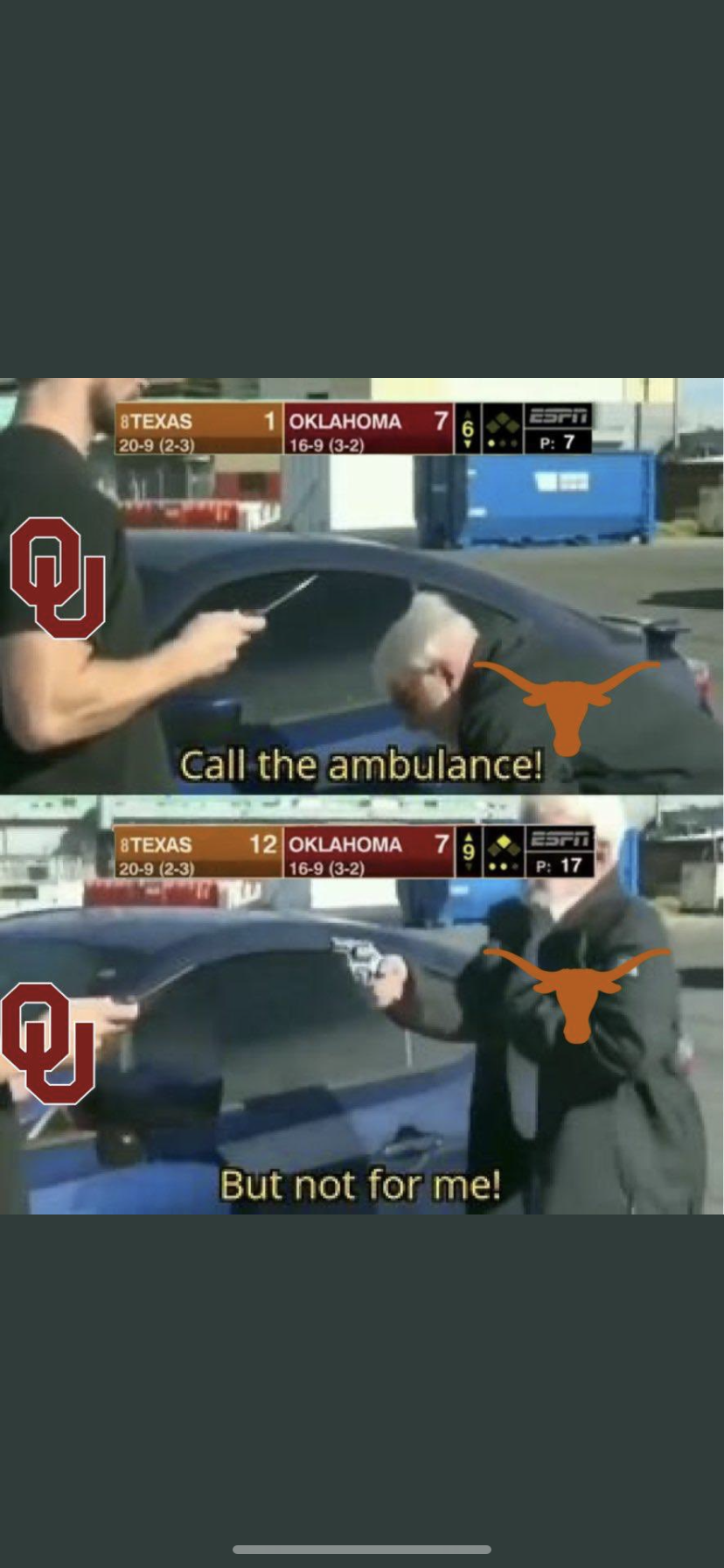
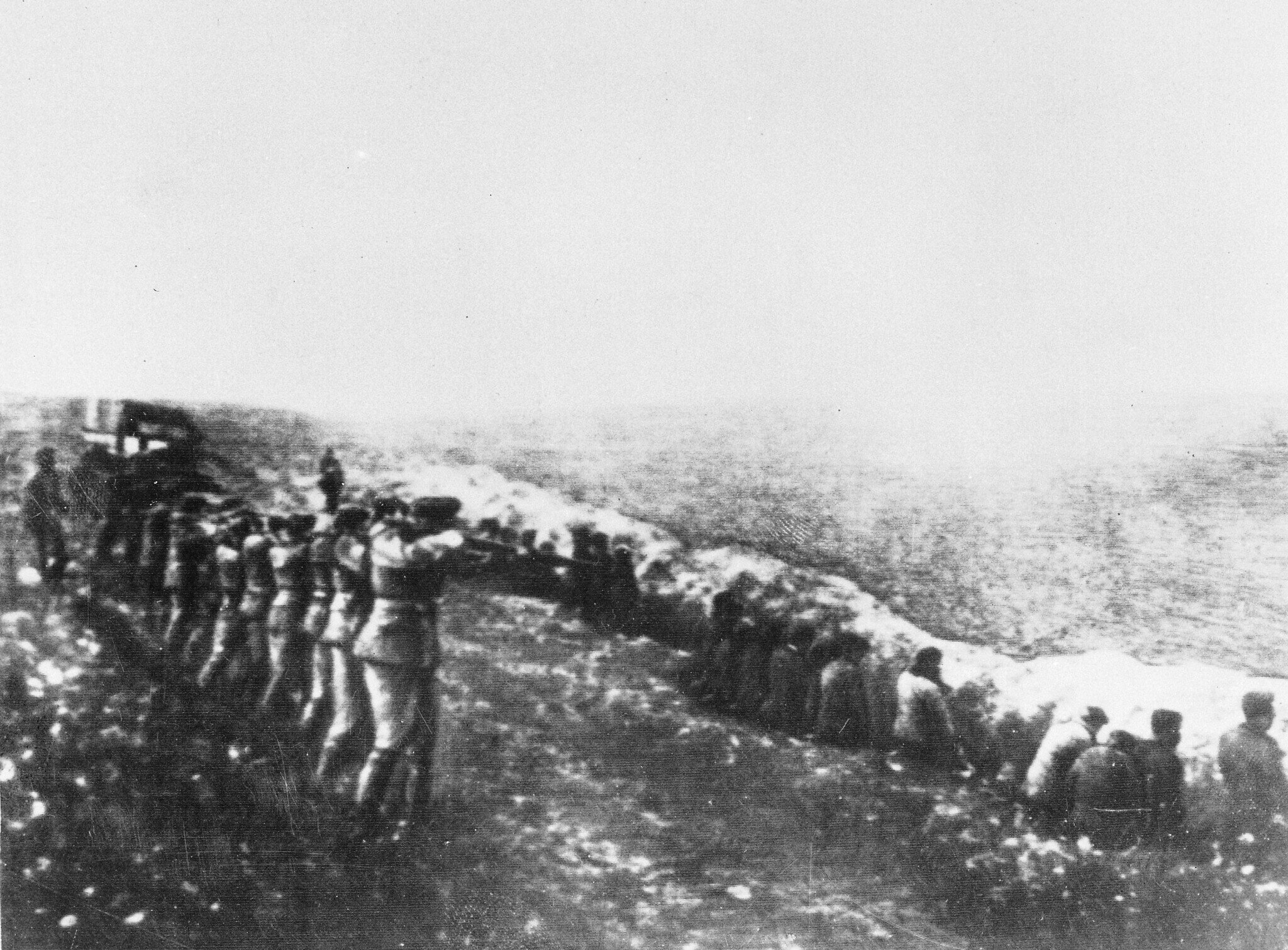
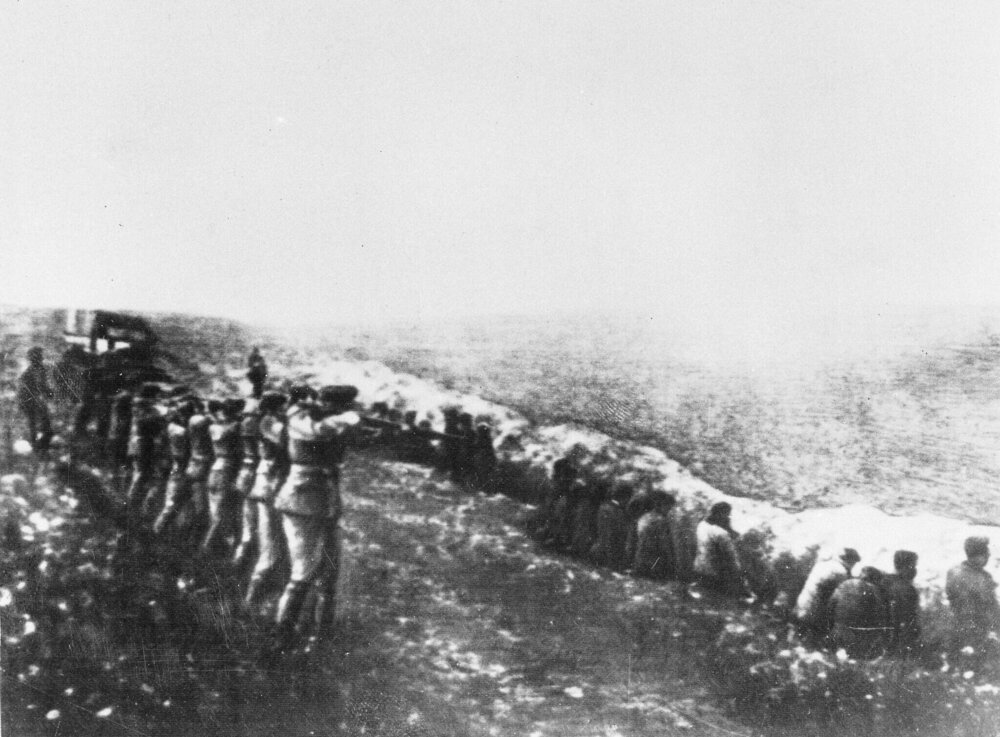
12 points12 points12 points12 points11 points11 points"This has turned into a nightmare for the Oklahoma Sooners." I will never get tired of hearing an announcer say that.11 points11 pointsApparently, that big dox of the FSB came from hacking Russia's version of DoorDash and tracking; orders, names, phone numbers, and delivery addresses. https://www.bellingcat.com/news/rest-of-world/2022/04/01/food-delivery-leak-unmasks-russian-security-agents/11 points11 points11 pointsIf you can see images of executed civilians with their hands tied, posed in front of their houses and still cling to the idea that this war is about Russian security guarantees and hypothetical Ukrainian NATO membership, I don’t know what to say. If you can see that and posit that the U.S. is “trading Ukrainian lives for their foreign policy” instead of recognizing it for what it is- an existential struggle in which only Ukraine and Ukrainians risk being wiped out— you are willfully ignorant. ”I was wrong. John Mearsheimer was wrong.” Practice it, it’s not that hard.11 pointsBefore we get too outraged, consider: J/J has 38,000 lawsuits pending. If each one resulted in a $1M verdict, that's $38B dollars, not including any costs of trial; and that is a very modest figure, the verdicts could easily be several multiples of that J/J has total assets of $182B (using the $400B market value of J/J is bullshit), but only less than $60B is cash equivalent, and another $81B is "intangibles" and "goodwill," which means difficult or impossible to turn into cash, so maybe about $100B potentially available to creditors Each lawsuit was filed at a different time, in many different courts, and each one will reach a final judgment at a different time So, you have total assets, even if you liquidate the whole company, that are unlikely or barely able to compensate all of the claimants. And you have a massive first-come, first-served problem where you have a "bank run" on the assets of the company and a goodly number of people may be left holding the bag. Bankruptcies "stay" lawsuits for exactly this reason. Even if you think a company should be liquidated out of existence, there's a fairness problem for the injured claimants. Many economic types would argue that a company shouldn't likely be liquidated. This is nothing new and nothing grotesquely unfair in many cases, especially when you consider that a state court jury may give a massive award that is never collected because of the bank run. Bankruptcy for a company facing massive liability from a large number of claimants have been filing bankruptcy for decades, it's not new, it's part of the theory underlying bankruptcy. So the focus of that article on "halting" lawsuits is kind of hysterical. Bankruptcy imposes some order on the chaos of 40,000 lawsuits, and other debts. But, there's an added thing here, and that is the formation of a subsidiary corporation to which all of the liability is assigned (I'm not sure what the "quirk in Texas law" is), but I think this kind of shit happens pretty frequently in a lot of jurisdictions. That way, only the subsidiary files bankruptcy and the parent is not "endangered" by it. That seems a little extra gamey. But, in the end, as part of the bankruptcy, J/J is going to have to put together a pretty massive fund to pay out to the claimants. The question becomes would that be a better deal for the claimants than suing J/J out of existence. And then there's the question whether the world is better off with or without a J/J, which employes 141,000 people worldwide. I'm not defending Johnson and Johnson here. I'm just providing some perspective that is lacking in the article. @Chad Fuck is probably the authority round here on the intersection of mass torts and bankruptcy. Although I think Thuj cut his teeth on asbestos lawsuits. And, asbestos is kind of the ancient paradigm for bankruptcy and creating a fund to settle claims. Johns-Manville filed bankruptcy in 1981 because of asbestos suits, and litigation continues to this very day. https://mantrust.claimsres.com/11 points10 points10 pointsI was initially diagnosed with aphasia in 2016. I knew something wasn't right, and I walked into the ER feeling confused, slurring, unable to speak properly, and having difficulty understanding what the docs and nurses were telling me. They thought I was having a stroke, and gave me the red carpet treatment all the way to the ICU. Turns out I was having focal seizures that affected the area of brain that processes language. It was really rough at first, KNOWING what's going on, but not being able to communicate with people in either English or Chinese (speaking, hearing/understanding, or even typing). It would come and go, but there were days when I was shut down for the entire day. A lot of thoughts crossed my mind then... whether I would be able to work again, what kind of burden I would be to my wife and our 2 kids (4 and 1 at the time), whether I'll ever be normal again. Luckily my family really stepped up, and the doctors did their best to understand what was going on. 6 years later I have it fairly under control with a heavy daily dose of anti-seizure medication everyday. But I can't stop wondering whether I'd be on meds for the rest of my life. Sorry, just rambling here... the word aphasia just took me back to a really dark period in my life. Best of luck to Bruce. I feel his pain.10 points10 pointsHe has not retreated from his original premise that he does not care if Putin takes all of Ukraine so long as he does not attack others in Europe. Given what Russia is doing in Ukraine, you’d think that he might reconsider some. And his response about our century-ago colonial era transgresssions being somehow relevant to Putin’s troops current war crimes in Ukraine makes as much sense as 1914 MAC saying, “Why should we help Britain in this war - they burned the White House a century ago!” Surly suffers fools poorly.10 pointsFortunately for him, additional weight is good for a heart condition….at least he doesn’t have a stressful job.10 points10 pointsAnastasis trying to carry MAC's water would be funny if it weren't so pathetic.10 points10 pointsPeople who have their hands bound and are shot in the head, then left in mass graves or in front of their homes as a warning are not “civilian casualties” you utter cretin. Here, let me illustrate what that looked like the last time it happened in Ukraine: Your juvenile, knee-jerk leftism has broken your moral compass.
 10 points10 pointsToday is Day 50 for me. Im still adjusting to winding down/relaxing without the excuse of "just a couple of drinks." Or, "it's been a rough days." But damn, it's great not being a jackass around my family, sleeping well and just mentally feeling crisper. Working on better coping without alcohol as the answer is a constant that I've kind of been enjoying doing. There's still a really, really long way to go.10 points9 points9 pointsPutin himself said before the invasion something to the effect that Ukraine wasn't a real country that didn't deserve to exist. Those statements, coupled with previous well-documented planning to create a "Novorossiya," previous take-overs of Donbas/Crimea, the current invasion and attempt at toppling the Ukrainian government, and genocidal actions including the systematic murder of civilians in Bucha and forced evacuations of Ukrainians from their land to Russia, all point to one goal: an ethnic cleansing of Ukraine to erase their identity as a separate people and nation. This isn't about the EU, NATO, or neutrality. This is about the elimination of Ukraine as an independent country, distinct from Russia.9 pointsAfter talking with multiple sources that attended Saturday's Texas Longhorns football practice here are some gathered notes. Apologies for the delay, but with our content surrounding S'Maje Burrell's expected commitment and gathering more info from the recruiting weekend, it's been a busy (but rewarding) Saturday. –Every source we talked to felt like Texas is in a better spot than last year at the QB position. Whether the sources liked Hudson Card or Quinn Ewers more on the day, both QBs looked poised and were using their NFL caliber tools to spray passes horizontally and vertically across every level of the field. One source I talked to felt that because it was so even at this point Ewers would eventually pull ahead and win the job as he continues to gain familiarity with Sark's system. – It was a light day for stars Bijan Robinson and Xavier Worthy, but new addition Isaiah Neyor made his presence felt and every source we talked to believed he was the top dawg on the day. Neyor's physique is different than almost every other receiver in the program and in addition to his ability to win contested catches, the former high school track star can also change gears and flat outrun folks. The source said that after talking with coaches he can see Neyor and Worthy acting as more of a one-two complimentary punch instead of Neyor acting as Worthy's "Robin". –Speaking of Worthy's light day, the Freshman All-American was spotted in a walking boot but our sources have maintained that the star wideout is healthy and it is just a precautionary measure. –Jordan Whittington had another impressive practice and made plenty of yards after catch plays on routes over the middle of the field. The Cuero native's slimmed down but still powerful frame was noticeable by every source we talked to and was among the many stock up performers on the day. As I mentioned on the radio with Jeff and Mike, Whittington being able to exploit one on one matchups as the number three target in the Texas offense should give Steve Sarkisian plenty of numbers advantages to scheme up easy competitions in the passing game, and potentially give Bijan Robinson lighter boxes to run against. –Additionally at wideout, we were told that Casey Cain had an impressive one-handed snag from a Quinn Ewers dart and an overall had a good day and that Kelvontay Dixon continued to struggle with his consistency. One source outside of the program highlighted Marcus Washington as a great team-first guy but said he would be shocked if he played as many snaps as last year due to Neyor's emergence along with younger players coming along strong. –"Ja'Tavion Sanders was getting reps with the ones during the passing walk-through and he looked awesome. They had a bunch of designed screens for him and were targeting him downfield as well. Jahleel Billingsley had a nasty touchdown on a wheel route over the kid from Kennedale (JD Coffey)." –During team run the defense won with Alfred Collins, Ovie Oghoufo, Barryn Sorrell, DeMarvion Overshown, Jaylan Ford, and Byron Murphy standing out. Every source we talked with agreed that if there was a defensive MVP on the day it would be Alfred Collins. Collins was primarily playing at 5-tech and 4i and was the most consistent disruptor on the day. –Jaylan Ford was credited as a player that took a major leadership role during practice and players responded well to. DeMarvion Overshown's positive weight gain is apparent and he hasn't lost any of his ability to cover in space. Jeff Choate picked up a massive commitment from S'Maje Burrell today and along with Brennan Marion were credited as the assistant coaches that brought the most juice to practice. –Jahdae Barron had another impressive outing at Nickel, and we heard great things about Ryan Watts, Terrance Brooks, and D'Shawn Jamison. Jamison was more up and down on the day but picked off Quinn Ewers and took it to the house, although sources were in conflict about whether or not the receiver fell down on the route. –I asked who the most impressive early enrolee on the day was and the two names mentioned were Terrance Brooks and Jaray Bledsoe. Brooks was a recruit that nearly everybody in the industry agreed would have success early at Texas due to his professional mindset, but Bledsoe was not as certain of a bet coming out of Marlin and sources were in agreement that Texas DL coach Bo Davis is getting the most out of the high-ceiling lineman and has him locked in on becoming a future day one draft pick. –Scheme wise here is what we were told on the defensive side of the ball: "Not going to surprise you because it's Kwiat's thing but they ran a ton of match 3 coverage in nickel and some 3-3 stack looks when they were in team run. They'd even move the jack down to a 6 tech at times to give a different look. I liked that he started mixing things up more and started throwing in some quarters or cover 3 disguises that would actually be man." –"Overall the vibe was just great, Sark was awesome to all the HS coaches, recruits, random people there. Gary Patterson was chopping it up with everybody on the sidelines and making sure recruits got a ton attention from him. I think everybody from recruits to coaches to even the staff members themselves are eager just to get back out to another practice. It's a really fun team and hopefully the pieces come together."9 points8 pointsHey guys, I'm not here to do ___________. Now, let me go ahead and do that. His point is stupid. So is yours. I doubt you'll find a bunch of defenders of our war Vietnam here.8 points8 points8 pointsI think the vehemence is coming from the fact that his theories and ideas might once have been reasonable, but a rational person would be willing to climb down once they all became OBE. Because they really are OBE, nothing in Putin’s rhetoric or conduct of the war suggests this was really about Ukraine in NATO, its clear this is something else entirely. I’ve seen that fucking Mearsheimer clip posted at least four times. No matter how erudite the dude is, a lecture from 2014 from a person who is NOT a Russia or Eastern Europe expert is going to be lacking in explanatory power or a prescriptive course of action as a war unfolds in 2022. Its oddly reminiscent of people whose every answer to a social ill is a monologue from Atlas Shrugged. It’s just hunkering down with what makes you comfortable.8 points8 pointsHang on, the Chinese that are wiping the Uighur population off the map? Serious, clark?8 points8 pointsWhat a disingenuous and pathetic reply. It’s all over the fucking news and you’re still posting shit from a self-aggrandizing Chicago professor in 2014. It appears to be the sole source of information you have used to form your opinion about what is happening in Ukraine. Are you capable of absorbing and synthesizing new information. https://www.theguardian.com/world/2022/apr/03/they-were-all-shot-russia-accused-of-war-crimes-as-bucha-reveals-horror-of-invasion8 points8 points8 points7 points7 points7 points7 pointsBetween this guy and Milton Friedman, I’m thinking the University of Chicago is overrated as fuck.7 points7 points7 pointsNow imagine Johnson &Johnson is white.7 pointsDid a float trip on the Guadalupe on Friday from Whitewater to Little Ponderosa. Probably got 10 or so to the boat. A couple of long distance releases of really nice trout. Here are a couple of pictures (that's a large guide's net - fish measured 23"):7 points7 pointsIf the scale of what happened in Kyiv suburbs is close to what is getting reported, we are edging into Srebrenica territory. This demands a jolting, sweeping response. At this point I’d say severing all diplomatic relations might be in order.7 points7 points7 pointsLithuania not only weened off Russian gas, they named the street on which the Russian embassy sits “Ukrainian Heroes Street”. The mayor said mail deliveries could not be guaranteed unless the complete address was correct.7 pointsnot really. most of the time it’s very subdued and the $9.95ers do everything they can to manage expectations. the media optimism this spring is something new.6 points6 points6 points6 pointsThat was a very interesting listen. My father verified casualties on his second tour of duty in Vietnam. Part of his job was to fly over battle scenes in a helicopter in the aftermath of battles and say "okay there's one, two, three, four ... " and so on. He's only talked to me about this on one occasion and that was when we were fishing. He told me that he flew with a batshit crazy major who he was pretty sure was beginning to lose it. They were hovering over a battle scene, which my dad hated because they were basically sitting ducks. Two people --- he didn't know if they were combatants or civilians ---- ran from something like barn or shed into or behind some grains (perhaps hay) that were stacked up pretty high. This major tried to destroy the haystacks with whatever guns they had onboard but something happened (they ran out of ammunition, the machine guns jammed etc...) so he angled the helicopter in such a fashion that he could lean out and started shooting flares from his flare gun toward the haystacks, trying to set them on fire. My father, who was only a captain, was yelling at him to get the fuck out of there but this guy was batshit. They finally succeeded in catching at least one on fire and that seemed to satisfy the major. They never saw anybody run from the haystacks but it could be that there was nobody in them. The light wasn't so great. When they got back my dad told their commanding officer what had happened and this major was going to get himself and my dad killed or, even if that didn't happen, they could very well lose an expensive helicopter. The major was transferred out within days. And, to this day, my dad still has bad dreams about what he saw over there. It's not so much PTSD as he returned and led a successful life after retiring, but really bad dreams when he sleeps. According to my dad, the higher-ups in Washington wanted statistics so that's what they got. He also told me that he was certain that others simply went out on this helicopter runs, flew around as far away from danger as could be, then came back with made-up statistics. They knew that there was nobody who could verify any of it. I thought a lot about what my dad had said while watching "The Fog of War," the documentary about Robert McNamara.6 points6 points6 pointsChrist, I take one dog on a walk at 7-1, come back, and it's 7-7. Y'all need to thank Pluto. Plus, she barked her fool head off at an Aggie on her walk.6 points6 pointsI can't imagine how giddy I would be if I were a Carolina fan. It's just the ultimate fuck you /schadenfreude win. I'm not even that into college basketball per se, but given the specifics of the history/rivalry, the finality of K's career, the back drop off the final four and their first tournament game ever against each other, Hubert Davis as a first year coach and Carolina coming in to the tourney as essentially a bubble team, I can't imagine a bigger fuck you to Duke. Duke and K spent their entire basketball existence to overcome Dean Smith and his death grip on every aspect of the ACC. And fuck if K didn't outlast him and finally, truly, they surpassed UNC over the last several years. They just had all that taken away in one night, by an 8 seed with a coach in his first year and in the fucking final four, in just about the most excruciating way possible. I can't recall a bigger walk off, drop the mic, fuck you win in sports. Someone mentioned the final a&m game, but that game would have only compared if the winner would have gone on to play in the title game instead of two middling teams playing just for pride.6 points6 points6 pointsmy newborn son. he shits himself in his sleep. lmao the idiot.6 points6 points6 pointsAfter a great final four, results are in. Regardless of winner between Kansas and North Carolina, @MotownHorn will finish with the most point and @hobbs will finish second. Congrats to both! Also regardless of the winner, there will be 22 people with 23 entries (counting @Knoxtnhorn's cat) that beat @Wulaw Horn (excluding 1st and 2nd place winners). The leaderboard tab is updated with round 5 results - thanks again to @Wulaw Horn for setting this up! >>Link to spreadsheet<<6 points6 pointsAfter watching that media availability; if you don’t love 100% rojo you’re not a Texas fan. damn that kid impresses.6 pointsWe have to get K.Robinson more involved this year.6 pointsThis leaderboard is set to Chicago/GMT-06:00Football ... Basketball ... Baseball ... Other Sports ... Futbol ... 🤫995🤫 ... Gambling ... Movies & TV ... Music ... Hobbies ... Lulz ... Food & Travel ... Daily Texan ... Business & Markets ... Cloak Room ... Help ... For Sale ... Board Discussion ... Advertise... Tailgate Donations
Account
Search
Configure browser push notifications
Chrome (Android)
- Tap the lock icon next to the address bar.
- Tap Permissions → Notifications.
- Adjust your preference.
Chrome (Desktop)
- Click the padlock icon in the address bar.
- Select Site settings.
- Find Notifications and adjust your preference.
Safari (iOS 16.4+)
- Ensure the site is installed via Add to Home Screen.
- Open Settings App → Notifications.
- Find your app name and adjust your preference.
Safari (macOS)
- Go to Safari → Preferences.
- Click the Websites tab.
- Select Notifications in the sidebar.
- Find this website and adjust your preference.
Edge (Android)
- Tap the lock icon next to the address bar.
- Tap Permissions.
- Find Notifications and adjust your preference.
Edge (Desktop)
- Click the padlock icon in the address bar.
- Click Permissions for this site.
- Find Notifications and adjust your preference.
Firefox (Android)
- Go to Settings → Site permissions.
- Tap Notifications.
- Find this site in the list and adjust your preference.
Firefox (Desktop)
- Open Firefox Settings.
- Search for Notifications.
- Find this site in the list and adjust your preference.