Leaderboard
-

atomheartbevo
Certifiably Surly107Points63425Posts -
Brisketexan
Legacy Members72Points56128Posts -

BabaYaga
Legacy Members54Points16935Posts -
Blotto
Certifiably Surly46Points16068Posts




Popular Content
Showing content with the highest reputation on 04/07/22 in all areas
-
Poor Agiye23 points
-
23 points
-
Well moro ojomo is getting a surly nil deal for sure now22 points
-
Well, we at least got one guy on the team who will say what we are all thinking out loud22 points
-
21 pointsMakes me so proud. https://twitter.com/OTolmachev/status/1512131101506031616?t=Grsux6xWTiYlUU7dhhjURg&s=1921 points
-
PLEASE let it be out at the lake.21 points
-
21 points
-
17 points
-
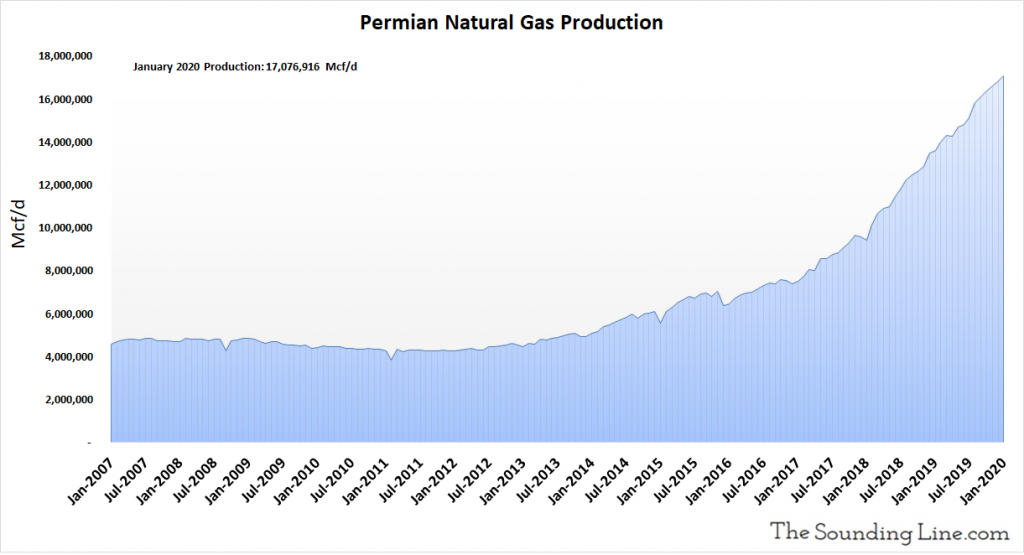
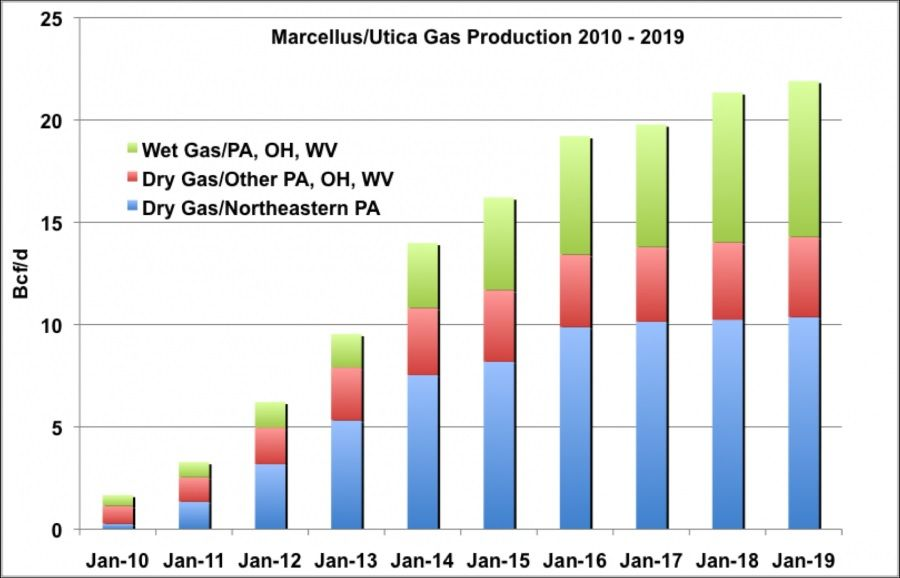
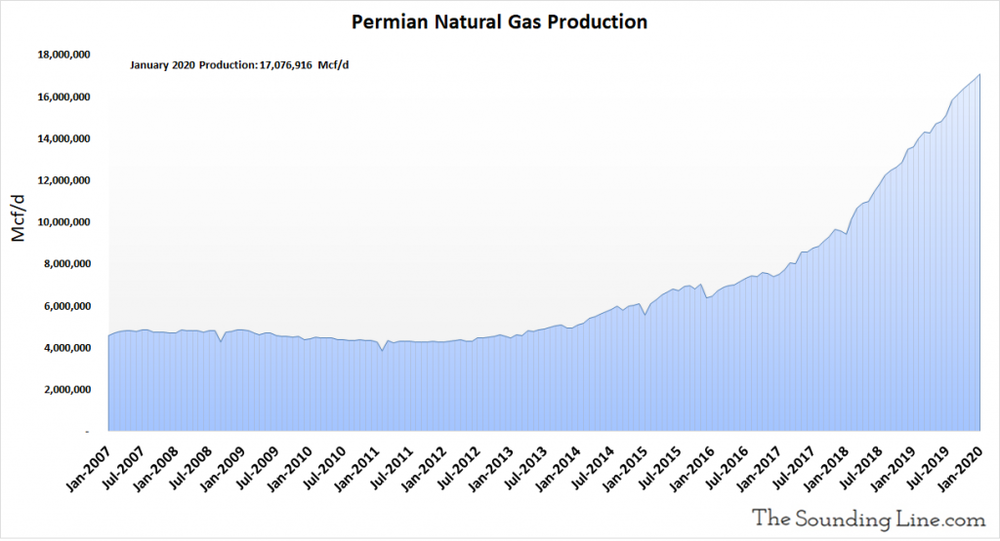
16 pointsFirst, I'm trying to keep this CR free. Thanks to all of you for the information sharing on so so many related subjects. I walk away for half a day, and damn, ... shit moves fast around here! So, There are 3 contries that are the pillars of O&G production that control, through production or influence, the balance of worldwide supply & demand; The US, Saudi Arabia & Russia. The US has always had the reserve base to meet European demand, but maximizing production, at moderate oil prices, has not been the goal of the US since the early 80's. Germany and the EU looked to Russia, because neither the US, nor anyone else, was available. We ignored her, she left for a wife beater, and here we are. When the 2020 denominator is tiny, any increase in 2021 will lead to record earnings. Did the companies that went bankrupt or were consumed in "mergers" also post record earnings? If Chevron makes $8 Billion/year, is that too much? That's about what they payout in dividends. To keep production flat and just offset declines, and save some for a rainy day, they need to make a lot more than that. Thank you. Vertically integrated means they make money on production, refining & petrochemicals, and marketing & trading. Usually, they make money in 2 out of 3, no matter how hard they try. The independent production companies (no downstream integration), the smaller guys that drill most of the wells, live and die with roller coaster prices. By defintion, they have to sell someone to the integrated companies and independent refiners and pet-chems. The midstream industry, infrastructure gathering, compression, processing & pipelines, is all built on term, take or pay contracts, meaning they pay for the service whether they use it or not. Even when it's uneconomic to drill and produce, they are still contractually obligated to pay the midstream fees. They start up and a lot of them go bankrupt. When the price is right and capital is plentiful at low borrowing rates, drill, baby drill. With the anomalies in supply & demand & price fundamentals, tight capital, and rising interest rates, the gas you get is going to be impacted by a constant foot riding the brakes. A Q-Max a day is ~ equivalent to Nordstream 2. Longhaul pipelines, with 100's of supply sources, are basically 24/7/365. LNG Shipping, a single source supplier, is impacted by supply disruptions, fog, blocked canals, labor strikes, etc ..., something less than 24/7/365. Current US LNG capacity is ~ 12 BCF/day, LNG capacity under construction ~ 6 BCFD Nordsteam Pipelines 1 &2 gas to Europe total ~ 11 BCFD. Pipelines and midstream assets are fee based asset companies. Production companies are commodity based. Volume/fee guarantees =/= commodity price guarantees? Is Putin's invasion Force Majuere? an "act of god"? O&G price forecasting is a combination of darts and hitting a pinata with a blindfold. The O&G risk profile is marginally different than FAANGs. "record profits this quarter": ... forward looking forecast based on past events will have no bearing on future results? Not wise to commit to a substantial increase in borrowing and capital spending at $10 million/well based on a quarterly result. My starting point is "the trend is your friend", but some how forceast an Enron, or Katrina, or Covid or Putin. No hydraulic fracturing, no pipelines, no facilities >> No production + no transportation + no market = canceling gas growth. The Marcellus-Utica gas production increased ~ 15 BCFD from 2010-2015, and the Permian gas production increased ~ 11 BCFD from 2015-2020, either of which could have met Europe's demand but gas. There was a market demand that could not be satisfied by US production simply because the corresponding growth in infrastructure was prevented by governmental policies. IMO, the productive gas capacity of the US has been "artificially limited" or "knee-capped" by governmental policies.
 16 points
 -
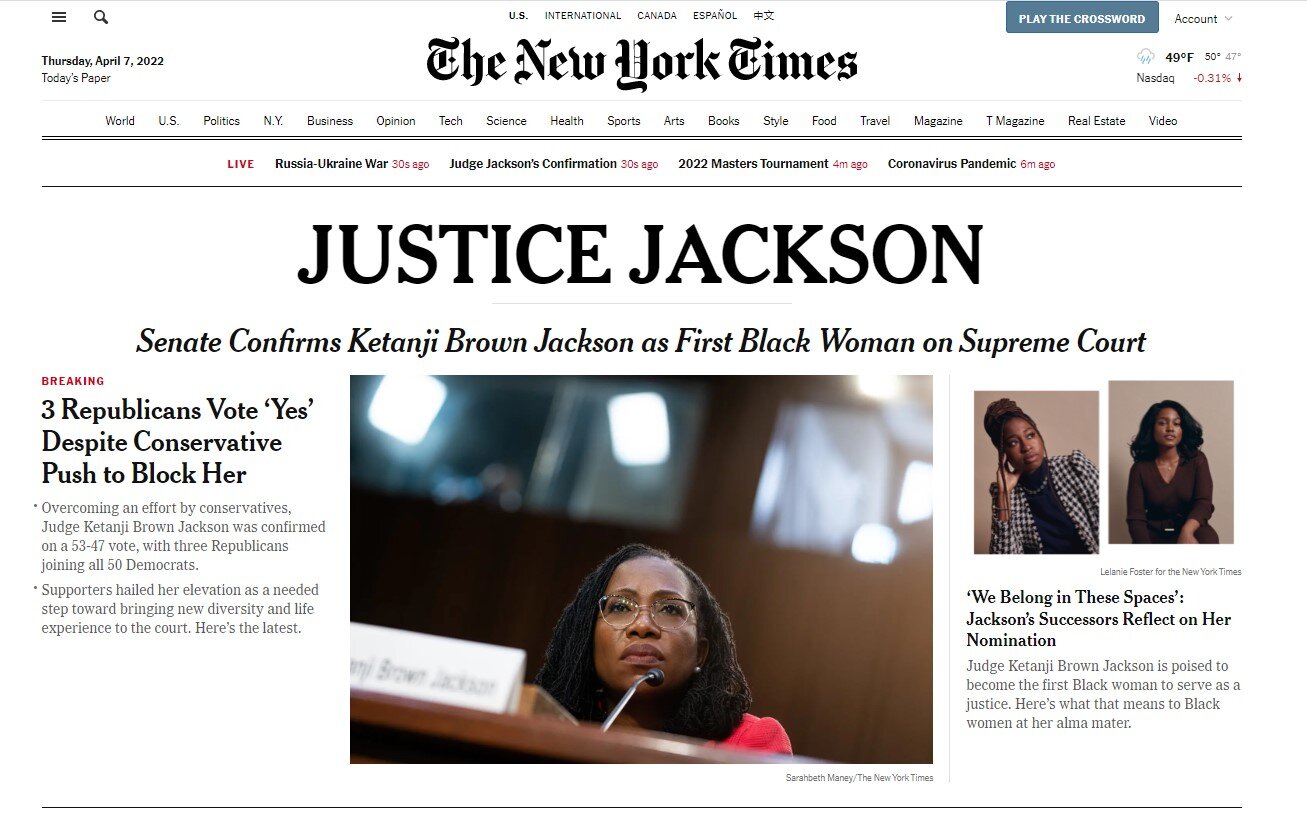
16 points16 points14 points13 pointsPink Floyd released their first new song in 28 years in honor of Ukraine and BoomBox lead singer's, Andriy Khlyvnyuk, service in territorial defense. All of the singing is from sampling Andriy Khlyvnyuk singing a traditional Ukrainian folk song.13 points13 points12 pointsTreaty Oak said we should stop teaching the "wrong" about history in urban schools and stop teaching history and social studies all together in urban schools and replace those with STEM. He's advocating Black and Brown people stop learning about their history in America. That is what people found morally wrong and called him out on it. People asked why he would want Black and Brown people to not know about their historical place in America and instead have that replaced with a coding class. That is the question. That's the only question he hasn't answered.10 points10 points10 points10 points10 points10 points10 pointshttps://247sports.com/player/raul-aguirre-46103169/ More than likely not going to end up at Texas if he’s tagging Herman9 points9 points9 points9 pointsthat vote was a fucking travesty. vote no? fuck you. i hate all republicans. there was no reason to vote no on this justice. fuck all republicans is where i'm starting to land.9 points9 pointsNow this is bad ass. Explains how accurate their shelling has been9 points9 points8 pointsAre you saying the English could be arrogant about their capabilities? Especially as it relates to a former colonial entity (maybe not theirs but...).8 points8 pointsRussian media put out this photo of a "captured" one. People noticed that he's holding it wrong, that it's missing a battery pack, that the cover is taped. Basically, it's been used.8 points8 pointsMykolaiv Airport ... For the first time in a long time, residents of the liberated Ivankiv, Kyiv region, are getting in touch with their relatives thanks to StarXink equipment from SpaceX, which was brought to the city by volunteers. 🤩8 pointsOne of the most accurate and prescient political cartoons I’ve ever seen. We all knew what was coming. It was just a matter of time. And it’s from 2018.
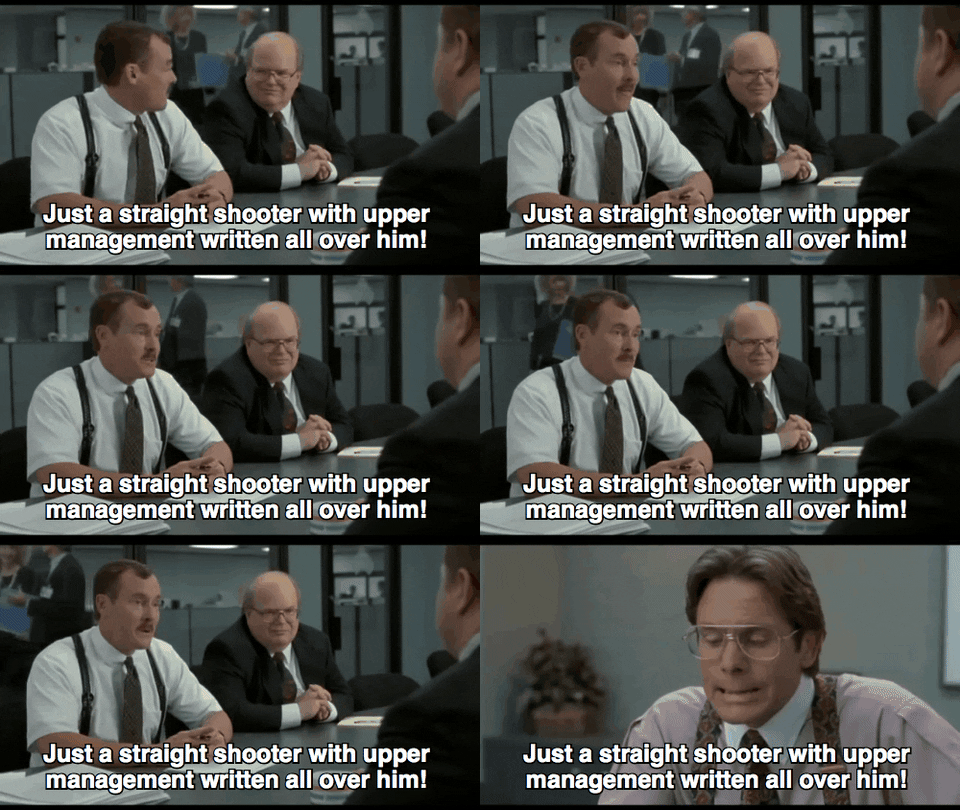
 8 points8 points8 points8 points8 points8 pointsProbably ought to be posted every so often I don't post everything. That woman's shot up car and the aftermath. 500 pages in and there are a lot of victims. That kid hunkered down by his mom's grave. That is gonna haunt me. Sound up.8 points7 points7 points7 points7 pointsI think I know how Ukraine is going to use their new shipment of harpoons.7 points7 pointsI don't agree with Mitt on virtually anything and if every Republican was Mitt Romney America would still be a fucked up and shitty place but it would be like the 1980's version of shitty America and not whatever computer simulation we seem to be living in.7 pointsWe need to take a collection to give Ojomo a Surly Bobs’ Award.
 7 points7 points7 points7 pointsNot sure I'd ever vote for Mitt, but I've gained some respect for him over the past several years.7 pointsI argue that the solution isn't to reduce the scope of our education but rather to actually fund our education. Ya know, rather than continuing to dole out TWO MOTHERFUCKING TRILLION DOLLARS TO CORPORATE INTERESTS while teachers with masters degrees are getting paid dogshit. Highschool and public primary education shouldn't be about job preparation. It should be about creating an environment to foster well rounded, well informed, critical thinking people who can meaningfully contribute to society and democracy. Not just to be a useful worker caste for business interests. Now talking higher education, that's a completely different story and a completely different fuck fuck game. But you're reeeaaaalllly moving the goalposts if you're now claiming that TO really meant undergrads and not grade schoolers.7 points7 points7 pointsHere are the consequences of drinking alcohol looted by the occupiers. No whole apparatus and office: video from the "demilitarized" branch of the Heart Institute in Irpen. Rashists leave behind death and danger. If this is not the case, do NOT touch it, call the National Police or the SES immediately.7 pointsWhat? There are a lot more NFL guys on that team, than what anyone would project on this team.7 points7 points7 points7 pointsAbout time. BREAKINGRussia suspended from UN Human Rights Council The General Assembly of the United Nations has just voted to suspend Russia from its Human Rights Council during a session in New York. It follows allegations of war crimes by Kremlin troops in Ukraine. Before votes were cast, Ukraine’s ambassador to the UN Sergiy Kyslytsya accused Russia of “horrific” abuses – raising the issue of alleged civilian killings in the city of Bucha. Russia’s own representative Gennady Kuzmin condemned the vote, and other nations including North Korea and Syria rallied behind him.7 points7 points7 pointsWe are having to supply water to over half of our feeder pens with totes: When I still had my fab shop, I designed and built eight water trailers designed to haul a tote. It has a 5.5 gpm 12 volt pump. It is ran by a marine battery with a 12v solar panel that keeps the battery charged. I baffled the tank with the corrugated plastic french drain hose you get from home depot, so no sloshing. You don't even know it's behind you, in a truck. My Ranger also pulls it fine. I still have five of the trailers. CHIEF7 points7 points7 points7 pointsI’m struggling to follow this thread, but it seems to me that the same people who called those criticizing American foreign policy in real time since WWII unpatriotic and unAmerican are now the ones saying “ we should consider Russia today in the critical context of poor US foreign policy since WWII.” It sounds like an excuse to be against the current president who happens to be of the other political party. And at a time that we’re actually exercising restraint after decades of Team America fuck ‘em all up diplomacy. Disingenuous and hypocrisy are the terms that come to mind, and their words today are illegitimate and hollow as a result.7 points7 pointsIts got the kids name on the back but daddy will “take care” of it for the next 15 years 🥸😁
 7 points7 pointsI'm not going to repost the tweets, but Kyiv Independent had the following - They had to ban people from the forests around Kyiv until they can get them clear of mines. Russians were...understandably paranoid about the forests, given their experience in Finland, but thinking about it, holy shit they'll be finding mines in those forests for years to come, given that we are in the muddy season and going forward it'll be hard to see them without a metal detector. They've already found nearly 7,000 explosive devices (land mines, IEDs, booby traps, etc.) in the Kyiv area. - Bucha Mayor says almost 90% of dead residents have bullet wounds, not shrapnel - NATO is talking about sending heavier weapons systems, read of that what you will. This is interesting7 pointsThis leaderboard is set to Chicago/GMT-06:00Football ... Basketball ... Baseball ... Other Sports ... Futbol ... 🤫995🤫 ... Gambling ... Movies & TV ... Music ... Hobbies ... Lulz ... Food & Travel ... Daily Texan ... Business & Markets ... Cloak Room ... Help ... For Sale ... Board Discussion ... Advertise... Tailgate Donations
Account
Search
Configure browser push notifications
Chrome (Android)
- Tap the lock icon next to the address bar.
- Tap Permissions → Notifications.
- Adjust your preference.
Chrome (Desktop)
- Click the padlock icon in the address bar.
- Select Site settings.
- Find Notifications and adjust your preference.
Safari (iOS 16.4+)
- Ensure the site is installed via Add to Home Screen.
- Open Settings App → Notifications.
- Find your app name and adjust your preference.
Safari (macOS)
- Go to Safari → Preferences.
- Click the Websites tab.
- Select Notifications in the sidebar.
- Find this website and adjust your preference.
Edge (Android)
- Tap the lock icon next to the address bar.
- Tap Permissions.
- Find Notifications and adjust your preference.
Edge (Desktop)
- Click the padlock icon in the address bar.
- Click Permissions for this site.
- Find Notifications and adjust your preference.
Firefox (Android)
- Go to Settings → Site permissions.
- Tap Notifications.
- Find this site in the list and adjust your preference.
Firefox (Desktop)
- Open Firefox Settings.
- Search for Notifications.
- Find this site in the list and adjust your preference.