Leaderboard
-

atomheartbevo
Certifiably Surly81Points63425Posts -

Brisketexan
Legacy Members79Points56128Posts -
Beau Vine
Certifiably Surly76Points36834Posts -
F250
Legacy Members63Points17675Posts




Popular Content
Showing content with the highest reputation on 05/31/22 in Posts
-
32 pointsI’m infuriated if the cops lied about it, but the proper response to any information about doors or teachers or what the school didn’t do or did do should be “who the fuck cares.” We are profoundly broken and insane as a society if we are locking little children in fortresses so they don’t get murdered. We spend a lot of gotdamn time talking about amendments and clauses. Let’s go back to the preamble: Domestic tranquility. Justice. General welfare. Common defense. That’s why the document exists. The Constitution does not exist to be served. It’s not foreordained that the rest of the document will result in such a felicitous state of affairs. It’s not Holy Writ. Allah did not reveal it to the framers. And if it’s not ensuring these things, then change the gotdamn thing. Because sending 5.56 x 45 mm NATO rounds tearing through the little arms, legs, stomachs, and faces—faces!— of fourth graders doesn’t have shit to do with domestic tranquility, the common defense, or general welfare. And whatever document allows it needs to start promoting the general welfare some other way.32 points
-
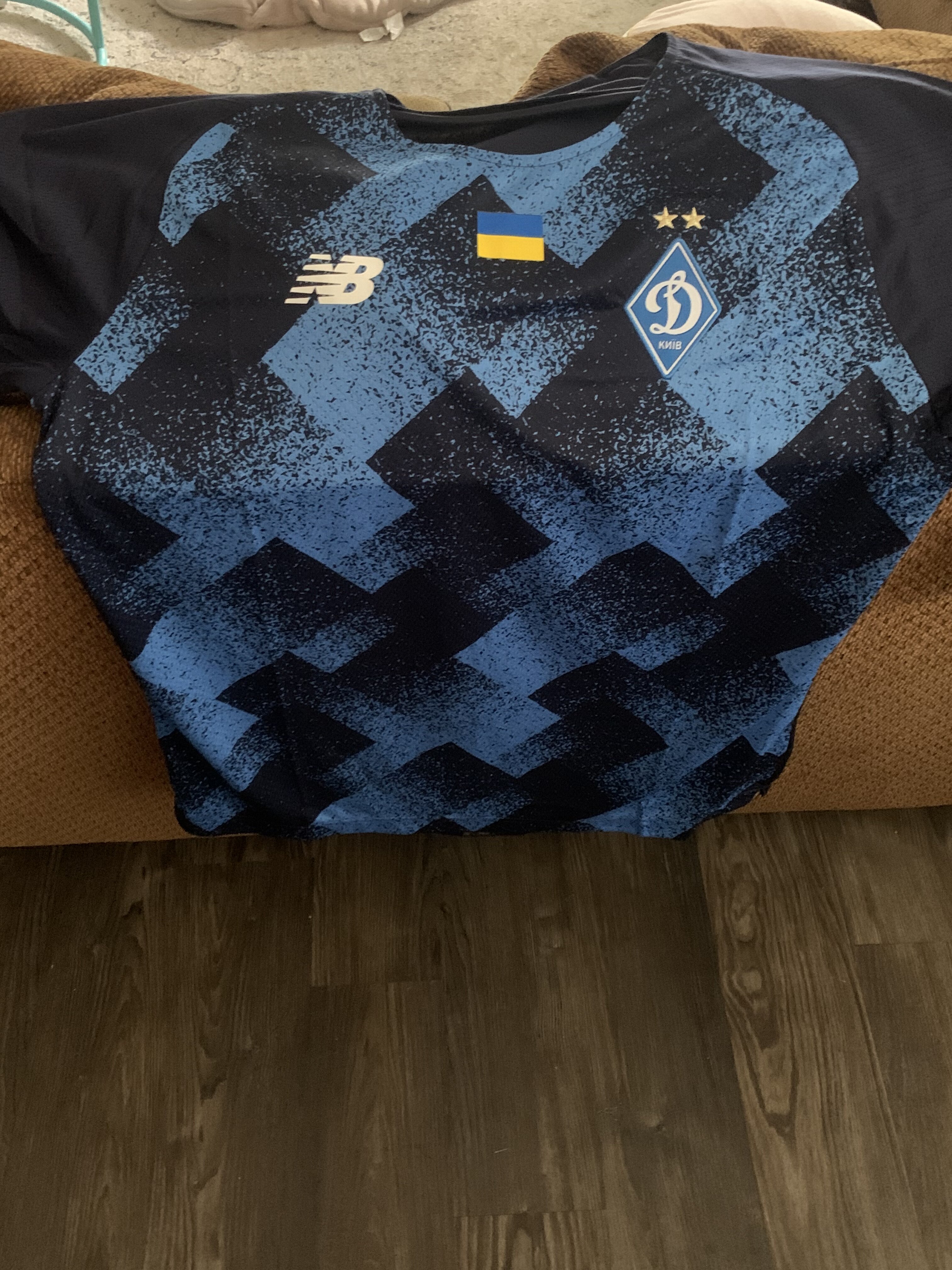
25 points25 points23 pointsSame here. I think a lot of us fit that description. It’s possible to own guns and enjoy shooting without being a fucking weirdo and injecting firearms into every aspect of your life. It’s possible to own guns without being such a pussy that you think everyday life is too dangerous without a sidearm. It’s possible to own guns while acknowledging that maybe there should be some limits as to what kinds of weapons civilians should have access to. And it’s possible to own guns while believing that maybe the world would be we better off without guns at all.23 points22 pointsnever believe the police. never. they will lie to you directly. they will make promises they have no intent to honor. they will happily perjure themselves in a trial to make themselves or their colleagues look better. they will protect their own, first, and you, maybe second. i say maybe, because maybe they won't even do that - see uvalde and parkland. on a good day, i guess maybe you can rely on cops for help. immediately following any sort of officer involved shooting, never believe the chief's bullshit when he comes out for a press conference. remember the houston shooting? those cops were heroes the next morning. art was practically ready to pin the medals on their chest in the hospital. oh, lookee here, they were full of shit and who knows how many people they fucked over in their fake raid/arrest scheme.22 points22 pointsafter a 2 month wait, thanks to the Rashists, I finally received my Dynamo Kyiv jersey delivered from a seller in Kyiv. It’s badass.
 22 points19 points19 pointsHe has literal brain damage. He's not a fully functioning person at this point and the fact that he was nominated for the US Senate is the irresponsible act of a despicable party.19 points19 points19 points18 points15 pointsI own guns. My wife and I have concealed carry permits. We had a neighbor that we got into an adversarial relationship with (we hired and later fired him). One day my wife was in a hurry to get kids to school, and her rushing out the driveway was interpreted as an attempt to "run him over." He took to social media and posted he was going to always be armed from now on and would not let himself be "threatened" again. I talked to the sheriff, and he came out to mediate a bit. He was sympathetic, but said there wasn't much he could do since there was not a crime. I asked about red flag laws, since they are in place in Colorado and this guy has known mental health issues. His countenance towards us immediately changed. He didn't say fuck you, but all illusions of sympathy were dropped and he left pretty abruptly. I found out later he's one of several rural county sheriffs that have publicly come out to say they would never enforce Colorado's red flag laws. You know what I would rather have than a concealed carry permit and the ability for my wife to try to defend herself if this nutbag decides to go postal? A goddam county sheriff that would enforce red flag laws to disarm this fucker so she doesn't have to.15 points14 points14 points14 points14 points14 points13 pointsThe Food and Travel forum has the more sophisticated Surly posters. You choose poorly by posting here in DT. Food and Travel Surly Daily Texan Surly13 points13 pointsIF you see a guy in a Dynamo Kyiv jersey on the beach in Port A this weekend, it's very likely me.13 points13 points13 pointsI understand why we focus on the lives lost in a situation like Uvalde, but I wish there was more discussion about the children and teachers who survived and how this affects the rest of their lives. Many will have PTSD, depression, anxiety. What affects them could possibly affect their future children. GOP wants to talk about mental health? OK, let's fucking talk about mental health. These mass shootings are causing hundreds of thousands of people to deal with trauma that doesn't ever need to happen. There will be generational issues for the people who LIVED. Fuck this world.13 points12 points12 pointsGerry's never been very high on Agbo. I'm interested in seeing how he compares to the others now they're all here. Regarding Stone, Dicker was offered legit NIL money to come back for another season. His agent convinced him he'd be a 4th or 5th round pick and didn't need NIL. Whoops.12 points11 points11 points11 pointslol if I never do anything else, just put on my tombstone that I taught a bunch of dudes 800+ miles away from me the word “ditchpig”.11 pointsWell, let's talk about the types of gun violence, and what MOST Americans are most concerned about (listing in no particular order): Type 1: criminal-on-criminal violence. This is the most common way to be the victim of third-party gun violence. Drug deal gone bad, gang revenge killing, mob hit, all that stuff. Yes, there are occasions when the victims are innocent (murder during a mugging, etc.), but that is a very low percentage. Almost all of these cases of gun violence are a direct result of being involved in other criminal activity. So, MOST Americans realize that they can avoid this type of gun violence by not engaging in other criminal activity. And yes, there is some bystander risk (see some victims on 6th street), but the numbers just aren't that large. So, I'd presume that most of us around here aren't terribly worried about this one, individually (aside from our bigger concerns about overall crime and such, and sure, the social risk of bystander harm, which is horrifying when it happens). Type 2: suicide. This is one of the leading causes of gun death, and almost always happens with a gun already in the home. In my mind, this is perhaps the #1 reason that guns should be locked in a safe, with only one (stable) person with the key. In my home, that person is me (yeah, stable is debatable). But that's definitely because I have kids who are young, emotional, and have even struggled with depression at times. We should be more concerned about this than we are -- it's low-hanging fruit, and offers a great ROI. Type 3: accidents (either in the home or in the field). For "at home," see the para above, that's the best way. As for "in the field," good safety training and practices goes a long way. Texas Hunter Safety covers it. SOME accidents will still happen, nothing's perfect. But this is another low-hanging fruit thing: keep your guns locked up, require gun safety courses. Most people aren't too worried about this one, but they should be more worried than we are. If we placed a greater emphasis on gun safety, that would certainly prevent a good number of needless deaths. Type 4: domestic/spouse/acquaintance violence. Husband shoots wife, jealous lover shoots rival, two friends have a beef, that sort of thing. There's some "sudden passion" risk in here (so, if someone didn't have immediate access to a gun, maybe a shooting would be prevented). In many cases, these are known risks (history of domestic violence). Americans do have some general concern about this, because many of us know first or secondhand someone who has been a victim of such violence. In any case, these are situations where the victim knows the shooter well, and there is usually some personal history behind it. This does involve mental health some -- in fact, most "mental health" violence is in the home/among family and such (a fair amount of domestic violence has overlap with mental illness of the bad actor). There are many mechanisms that could be in play to reduce this risk (Domestic Violence Orders, etc.). Type 5: Random shootings. These are what most people mean when they say "mass shooting" -- Uvalide, El Paso Wal-Mart, Buffalo, Tree of Life Synagogue, Parkland, workplace shootings, etc. And these actually scare Americans quite a bit precisely because they're functionally random, and can't be avoided by actions the victim would take -- like not being involved in other crimes, keeping their guns locked away safely, etc. It's the terrifying element of the "bolt out of the blue" nature of them, as well as the high number of casualties each incident can involve. Whether it is driven by racial hatred (Buffalo, El Paso), actual mental illness, broken young people with not-yet-developed brains who are incapable of dealing with strong and frustrating emotions (likely Parkland and Uvalde, also people who are broken socially (think "incels")), people who are incapable of dealing with workplace disappointment, we see these as being beyond our control. We can't control when some shitheel just snaps, or at least it feels like we can't (we actually CAN do things that help stop these things, like good HR training to spot warning signs, monitoring students for troubling behavior and, oh, I don't know, we could stop promulgating bullshit racial animus ideas like "replacement theory" that are destined to foment stochastic terrorism). I'm sure we could come up with another type or two, but this seems to cover 95% of gun violence. So, the questions are -- if we want to reduce gun violence and gun deaths -- what measures can we reasonably take to address any, some, or all of these categories? Talking about a measure that is mostly aimed at one Type as a solution to another Type may not make sense. Or, it may help a good bit for a couple of types (e.g., if there are guns in the home, having them locked away with the key hidden or combo known only to an adult will prevent both suicides and an angry kid from getting dad's gun and going on a rampage). But we also need to account for what actually concerns people the most. For all the "but Chicago!" rejoinders, it's not an effective one because most people don't give much of a shit if two dirtbags off each other in a gang shooting. Concern is about risk and control. My family is wildly unlikely to ever be victimized by Chicago gang shootings. They are more likely to be the victims of random gun violence. They are also more likely (because our household has guns) to be victims of an accident or suicide. So, our focus is on the things we can control, and are reasonably concerned about. Understanding these things, we can then have a more targeted and rational discussion about gun policy.11 pointsThat's a bunch of words for someone who really doesn't give a fuck about this trial.10 points10 pointsIf watching porn made you commit mass murders, well, I wouldn't be here typing this right now.10 points10 pointsI think she'll be nominated to head the newly-created Department That Can Look at Young Men That's Looking at Women That's Looking at Their Social Media.10 points10 points10 points10 pointsBasically this entire post is wrong. I also don't make money off this site, and all of it goes back into the community. You think a prime tailgate spot on campus less than 5 minutes from the gates at the stadium is cheap? I guess you think the free beer was also free for surly? What about when we rented an entire bar for anyone in Fayetteville? Or New Orleans? Or downtown during the LSU game? Burnt Ends is also super anti-free. We gross up the entire cost of CC processing and pay out NIL at 100% in 100% out. BMF awards? Yep just straight cash homie, guess I should have kept that 20k for myself and bought myself something nice. You notice how there are never any guilt posts or banners or advertisements for Tree Fiddy? Have you ever wondered why that is? Fucking George Soros isn't funding surly and the notion that the moderation is favoring anyone is laughable - what the moderation is intolerant of is over the line stupidity and lack of intellectually honest engagement. A bunch of people forget this is a mainly FOOTBALL board focused on THE UNIVERSITY OF TEXAS. The majority of funding for the site comes from people who follow recruiting really closely, and lurkers. There's only one set of people who defend Jan 6 and NRA style gun laws and that set of people are fucking morons who none of us give a shit if they post here anymore.10 points9 points9 points8 points2022 - % of class correct (% of correct guesses/guessed class size) @Elmer_Fudd - 61.5% (16/26) Me - 53.8% (14/26) @closetojumping - 51.8% (14/27) @Bevo14* - 51.8% (14/27) *tied for 3rd 2023 Notes No 25 man class limit Incoming HS Freshman only 2023 Prediction8 points8 pointsI am reminded of a chalkboard sign outside a New Orleans business that I saw probably 20 years ago. At the time, NOLA crime was even worse than it is now. The chalkboard had a running tally of homicides by city, showing that NOLA was maintaining the #1 spot. Below it was the author's comment on NOLA's shitshow status: "How do we do it? One word: LEADERSHIP!" How is Texas such an utter shitshow? One word: LEADERSHIP. THIRTY FUCKING YEARS OF ONE-PARTY RULE -- THERE IS NOT A SINGLE ELEMENT OF OUR STATE GOVERNANCE THAT ISN'T 100% ON THEM NOW.8 points8 pointsExactly what I was thinking. He’s like that kid in the old thanksgiving joke: Kid’s walking around the house on Thanksgiving. Mom and dad are fighting. Mom calls dad a “bastard,” dad calls mom a “bitch.” Kid asks his mom “what’s a bastard?” She says “it’s just another word for man.” Kid asks his dad “what’s a bitch? He says “it’s just another word for woman.” Kid later hears his mom scream “FUCK!” He runs in and sees she’s cut herself carving the turkey. “Mom, what does “fuck” mean?” She says “oh it just means I’m cutting the turkey.” He later hears his dad scream “SHIT!” Runs in and sees his dad has cut himself shaving. “Dad, what does shit mean?” He says “oh it’s another way to say shaving cream.” Shortly after that response, the door bell rings. It’s the kid’s aunt and uncle and some of the cousins. Kid answers the door: “Hello, bitches and bastards! My mom is in the kitchen fucking the turkey and my dad is in the bathroom putting shit all over his face!”8 points8 pointsIf Russia tries to kidnap a diplomatic representative of a NATO nation, I imagine that any reservations that NATO countries have about supplying systems that can hit deep into Russia will evaporate.8 points8 points8 points8 points8 pointsI'm confident that if you were to give those two a packaged IKEA table they would eventually have it assembled. Where if you were to give it to Herschel you would later return to find it covered in syrup and bananas and Herschel would declare he made Pancakes. Walker really is special needs and should be living in a halfway house not running for a Senate seat.8 points7 points7 pointsAnd Africa. There is a full court, mostly successful propaganda war on there. Russia wants to starve Africa, and convince Africa it is Europe’s fault. And they also want a migrant wave to Europe. Get the world spun up about the cruelty of Europeans to Black migrants and Europe spun up about how many are coming. The migrant crisis of 2014-2015 was real, but it was also in large part prodded by Russia in Syria. And the dialogue about it in Europe was largely exploited and shaped by Kremlin-friendly propagandists. This is how you get more Orbans in place.7 points7 points7 pointsWTF IS A PERFECT CALL???? I FEEL LIKE I AM TAKING CRAZY PILLS HERE. WHO FUCKING TALKS LIKE THAT? JFC.7 pointsFinally crossed Devils River off the list. Spent 3 nights in the state natural area last weekend. Finnegan Springs is an incredibly beautiful area...up to 25,00 gallons per minute at its peak (although it was only at 10,000 gpm when we were there). There's about a 200 yard stretch of crystal clear and cold ankle deep water flowing over limestone with water bubbling out of the ground about every 10 yards. The roads in the park are pretty rough, wouldn't attempt it without high clearance. The second night we were out there we heard a mountain lion screaming on the ridge above our campsite, scariest thing I've ever heard while camping...straight up demon noises.7 points7 pointsI have to pull for TCU to knock the ags out. Gotta respect tradition.7 pointsWhen it’s good, it blows most live action SW out of the water7 points7 pointsFrom what I’ve heard, be sure to practice birth control and preemptively get a Valtrex prescription.7 points7 points7 points7 pointsWe love to make fun of Canada and I'm just now realizing it's out of envy.7 points7 pointsTo be fair, until a few months ago we considered Russia to be so advanced that UFO sightings were possibly of their military technology. Today though?7 pointsThis leaderboard is set to Chicago/GMT-06:00Football ... Basketball ... Baseball ... Other Sports ... Futbol ... 🤫995🤫 ... Gambling ... Movies & TV ... Music ... Hobbies ... Lulz ... Food & Travel ... Daily Texan ... Business & Markets ... Cloak Room ... Help ... For Sale ... Board Discussion ... Advertise... Tailgate Donations
Account
Search
Configure browser push notifications
Chrome (Android)
- Tap the lock icon next to the address bar.
- Tap Permissions → Notifications.
- Adjust your preference.
Chrome (Desktop)
- Click the padlock icon in the address bar.
- Select Site settings.
- Find Notifications and adjust your preference.
Safari (iOS 16.4+)
- Ensure the site is installed via Add to Home Screen.
- Open Settings App → Notifications.
- Find your app name and adjust your preference.
Safari (macOS)
- Go to Safari → Preferences.
- Click the Websites tab.
- Select Notifications in the sidebar.
- Find this website and adjust your preference.
Edge (Android)
- Tap the lock icon next to the address bar.
- Tap Permissions.
- Find Notifications and adjust your preference.
Edge (Desktop)
- Click the padlock icon in the address bar.
- Click Permissions for this site.
- Find Notifications and adjust your preference.
Firefox (Android)
- Go to Settings → Site permissions.
- Tap Notifications.
- Find this site in the list and adjust your preference.
Firefox (Desktop)
- Open Firefox Settings.
- Search for Notifications.
- Find this site in the list and adjust your preference.