
Leaderboard
-

tx 3 putt
Legacy Members160Points79509Posts -

atomheartbevo
Certifiably Surly130Points63425Posts -

Brisketexan
Legacy Members93Points56128Posts -
TexArcher
Full Members86Points30869Posts




Popular Content
Showing content with the highest reputation on 10/19/22 in Posts
-
This is very strange. We are leaving the conference because we have a closer relationship with OU than any other school, and a package deal was arranged that would benefit both of us. OU made the move and we decided to go along with it. This is like hating your neighbor for taking a new job and moving away. We all have our issues with the conference from the leadership decision, to the blatant officiating fuckery that has been going on for over 2 decades, the shitty agreements, and petty squabbles. Texas tried to get equal revenue sharing right from the start and everyone laughed. Until Texas was the king revenue driver. Texas tried to start a CONFERENCE NETWORK and everyone laughed, heck we even tried to start the Lonestar Network, and aggy laughed. Then everyone lost their mind as Texas created the Longhorn Network. When the conference offered a bribe to OU, Texas, and aggy to prevent the conference from splitting up, OU AND Texas declined the bribe, and aggy took it and still left. We have acted in the interest of the conference for a long fucking time. But have you? Has the rest of the conference? No? Why? We wanted the conference to be better. We wanted the conference to be stable. We wanted the conference to do better and at nearly every turn the conference has rejected making the necessary improvements to improve the value.25 points
-
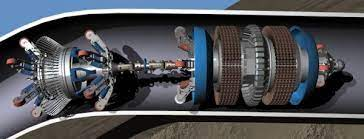
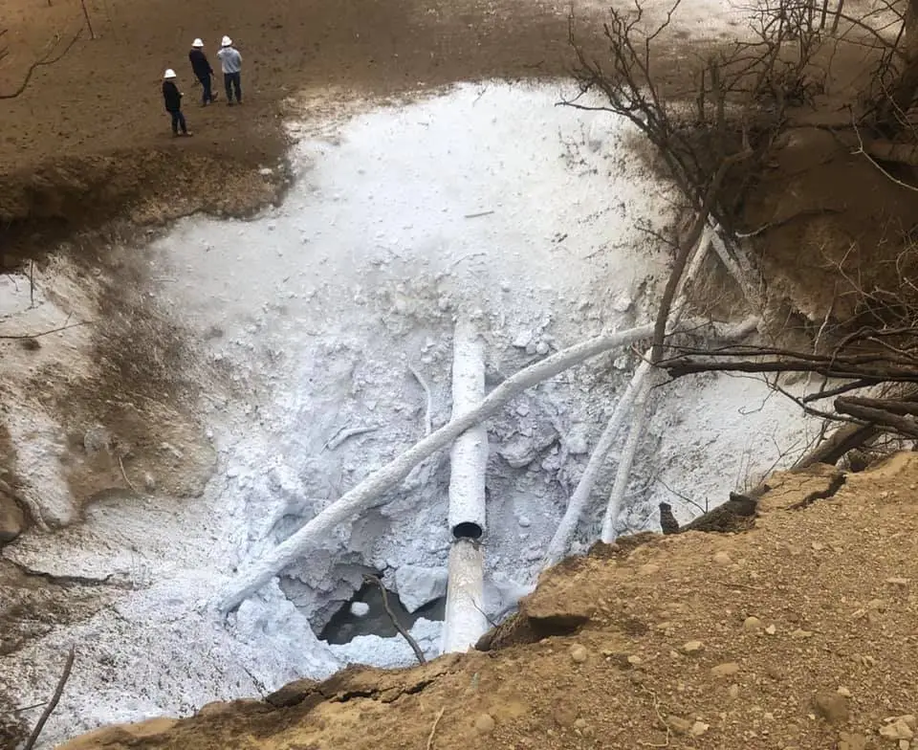
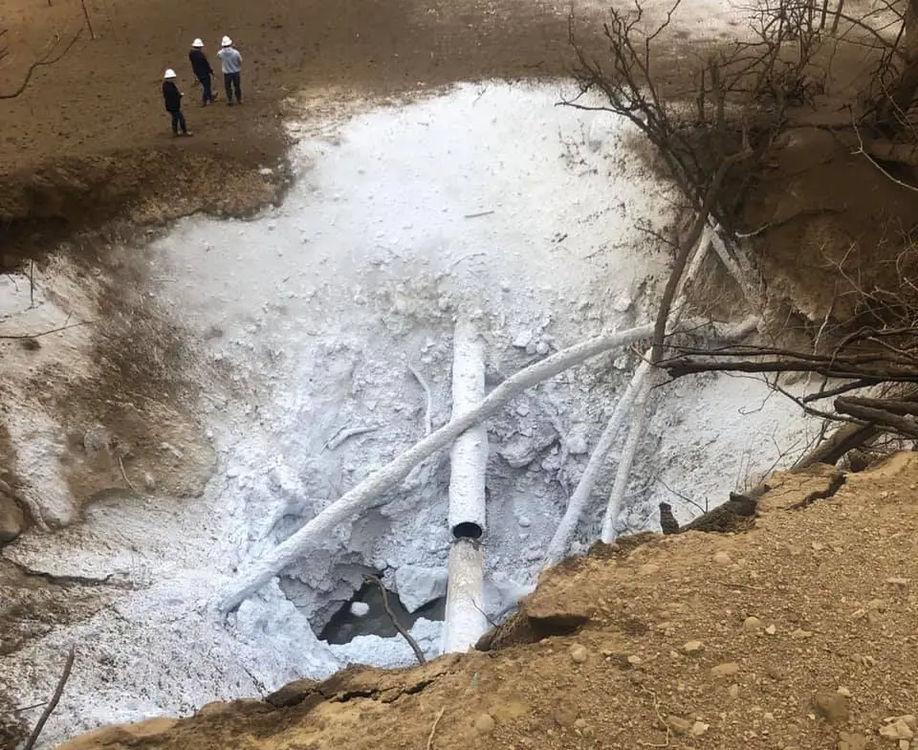
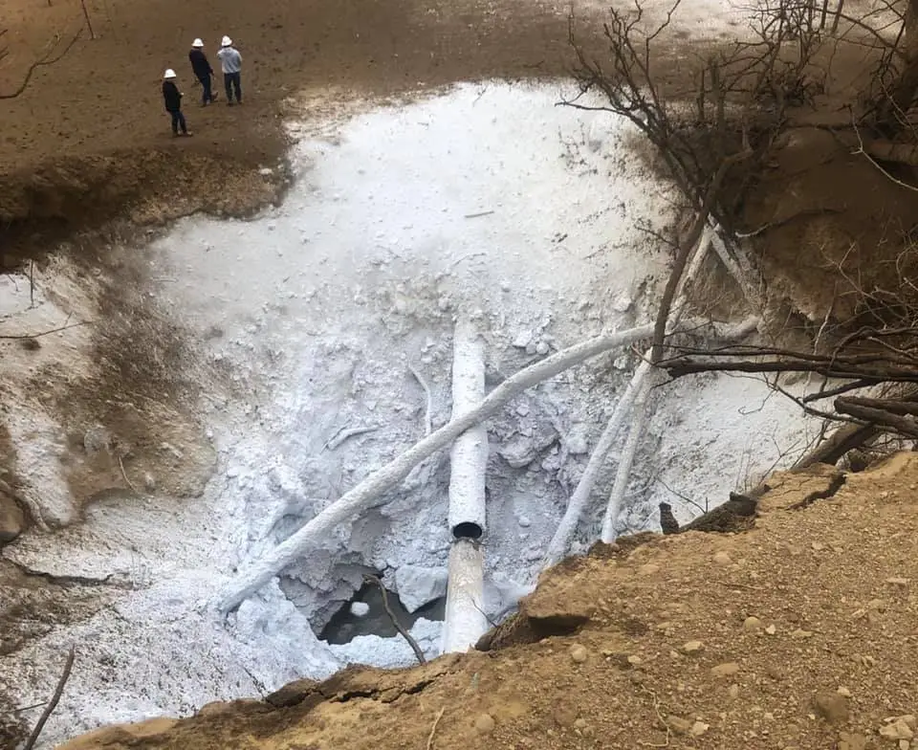
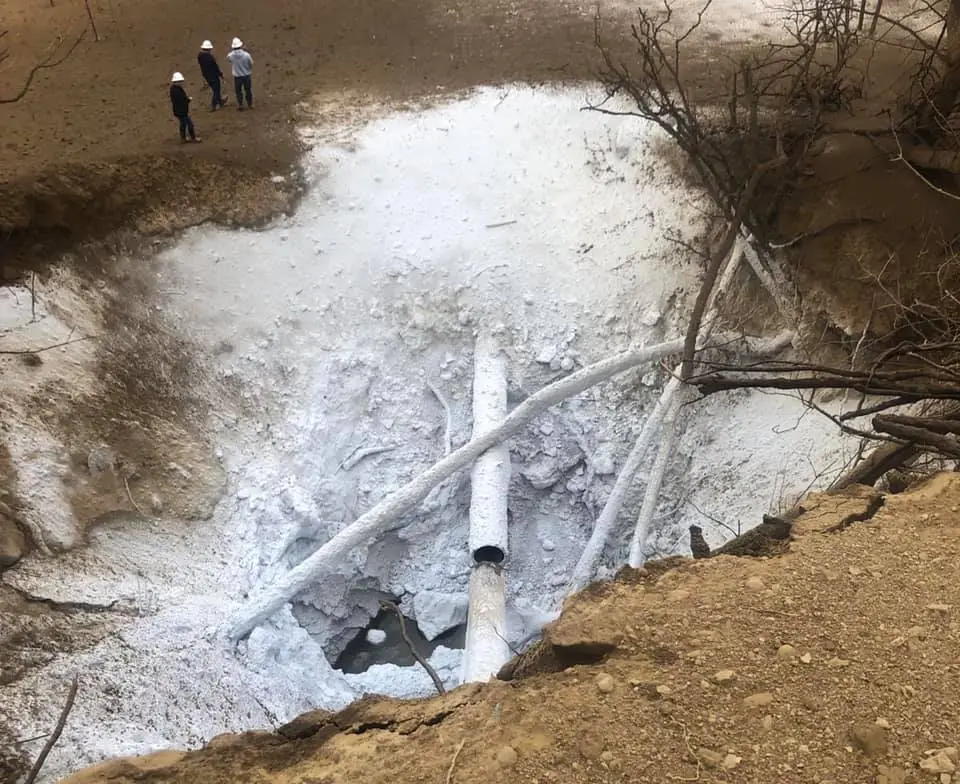
24 points23 points19 pointsSpencer Sanders is a rich man's Vince Young, but with more speed, agility, and accuracy. Sanders will impose his will on our defense (and probably their loved ones) and we can do nothing to stop the coming tide. Heisman vote frontrunner, and the only player being invited to NYC for the presentation. Jaden, Braydon and Bryson are the best triple threat the CFB world has seen since Roy, BJ, and Sloan played for Texas. They're so good that they already hold receiving records in the NFL under the assumed names of "Tyreek Hill", "Travis Kelce", and "DeAndre Hopkins". Brutal job for our defense and secondary, who I've been told asked Sark, quietly, to stay in Austin due to concerns for their well-being and safety. The only problem is the rest of the team over heard them and asked to stay home too. Sark was all for letting them stay back, but since the rest of the team found out he's making everyone make the trip Stillwater. Did you catch the Alabama v Tennessee game last week and see Saban all pissed off? It wasn't the game. Saban had written to Mike Gundy for coaching advice and to hopefully obtain a coordinator position on his staff next year. Saban worked on his 52 page letter/proposal all summer long, but was told the bad news via headset by the assistant trainer he made read the response letter on Saturday. The response from Gundy was on a wrinkled Ruidoso Downs bet slip that had a grocery list on one side and on the front was "No. Please stop writing me!" written in red lipstick. I've also heard a rumor that I've been trying to track down, and although it's not confirmed yet, I still think it's worth mentioning as a possibility to prepare for. I was told that T.Boone was planning on haunting the Longhorn sideline during the game and has recently mastered the "Cold Breath on the Neck" trick and has an off color joke he heard in the 30's. Chills. As much as I'd like for Texas to prevail and ride, it's just not going to work out this weekend I'm afraid. Texas - 7 (2 safeties and a fg) OSU - 103 (...at the half) The announcers hold a 30 second moment of silence, then the network runs "Hanging with Mr. Cooper" reruns for the rest of the time slot.19 points19 pointsI understand the sentiment, but it really makes no sense. We have carried the conference financially for years. Nebraska, Colorado, Missouri, and A&M are the ones who stabbed the other schools in the back, including us, then blamed us for their actions. We could have abandoned the conference when A&M left, but instead we shared revenues more generously. We took into account how other schools were affected and helped out. For that, we have been blamed and hated much more vociferously than the schools that left then. We are constantly mocked for doing less with more, so we are finally going to take advantage of our opportunities. Not sure why that makes other programs so mad. The upcoming reorganization is the biggest in history and other schools expect us to take it in the shorts? On top of that, the conference continually fucks us with officiating and refuses to ever admit their mistakes. Why should we have to put up with it?17 pointsI've gone on record many, many times on this board (and others) in that I fucking hate the ejection (and ensuing suspension) for targeting. Call a penalty, whatever. Use a soccer-like card system and boot a chronic offender from the game. If it's really dirty suspend the guy. But the Dekkers play wasn't targeting by any sense of the rule. It requires no misinterpretation. It wasn't targeting. End of story. Many ISU fans -- and aggy -- are decrying that non-call as the reason Texas "escaped" with a win against "lowly" ISU this weekend. That annoys us. It wasn't a dirty play. It wasn't illegal. It wasn't lucky. It was a great play by Cook to knock the ball loose. Was the fumble before Dekkers' knee hit the ground? Now that is up for debate. I think it was but I could see an alternate opinion. That would be a legit argument. One that ISU can't win at this point but legit nonetheless. If ISU hates Texas due to the SEC thing, knock yourself, I guess. But it was a move that had to be made and was probably presupposed when aggy, Nebraska and Colorado all left the conference. They're as much to blame, if not more, than Texas no matter what comes out of aggy's (or Nebraska's) mouth. I will also add that the "5-Star Culture" comments begged a response if/when Texas won again over ISU. It happened this past weekend.17 points16 pointsListen. You motherfuckers are not going to come in here and out-reverse-jinx us. You’re going to whip our ass and like it. And that’s final.16 pointsI'd be losing my mind if Ewers had tucked the ball and run it, and then dove head-first into a pile of defenders, for sure.16 points15 pointsNo thanks. Would rather sing the eyes and share a special moment with the entire stadium and team.15 points14 pointsMy kids refuse to watch the original just to spite me. This year, the youngest is finding out there's no Santa or fucking elf on the shelf and if they want gifts, they are gonna sit down and watch a double feature of the OG and this with me. Merry fucking Xmas.14 pointsAl's a good poster. I get his perspective, but I think he's wrong. He is not making bitchass posts.14 points14 pointsThe dog and the other thousands of daily reminders of the Russians extreme cruelty are why the united message from all of our leaders should be that we will continue to support Ukraine until the Russians are utterly defeated, chased back across the 2014 boundaries and the hundreds of thousands of abducted Ukrainians are returned home. Rarely in history have things ever been so clearly good versus evil. If that's not enough reason, look at it coldly analytical. We've enabled Ukraine to destroy the bulk of the "professional" Russian army and most of the trainers needed to replace them, along with the bulk of their equipment and most of the reserves, while shattering the image of invincibility that Putin had cultivated for decades. We've shown clearly that US tech is the best on the planet and it's not close. You want good shit? Best be our friends or you get to enjoy your turret toss when you do need those tanks. We've restored the badly damaged reputation of US intel agencies. They've been fucking nails in this. We did all this and more for a little over 2.2% of our annual defense budget. It's one of the best return on investments in military history. Stopping before finishing the job, or even encouraging Putin that might be a possibility, would be asininely stupid. Politics, politicians and celebrities need to not fuck this up. We need to present a united message toward Russia. Now is not the time to force Ukraine to negotiate and sell their citizens into slavery. Now is not the time to encourage Russia that our will might fade. Now is the time to pour it on and end the Russian threat for the next few decades.14 points13 pointsIn my opinion ... I would agree that the Nordstream explosion appears to be internal rather than external. Explosion as in man made detonation and not a "natural" leak/rupture followed by detonation. I have seen "normal' pipeline failures and explosions but am not familiar with the details of a pipeline intentionally blown up. The "missing piece" of pipe on Norstream is more indicative of an explosion that cut the pipe in a circumferential direction rather than a longitudinal direction, maybe in two different places. With easy access, this could be done from the outside. The deep water location is not easy access and would require time and equipment, first to expose the buried pipelines lines just to gain access, and then to place the explosive charges. That type of activity would have been noticed. If there was a valve assembly of sorts above the sea floor, an external explosion becomes more probable. Nordstream 2 is huge, two pipelines with a total capacity of 5.3 BCF (Billion Cubic Feet) of gas per day, roughly half of the US LNG capacity. Each pipeline is made of 100,000, 12m-long individual steel pipe joints, with 24t (tons?)in concrete weight. The internal diameter of the pipeline is 1,153mm (45 in) and the wall thickness is 41mm (1.6 in). Not quite a "gun barrel" pipe, but that's a big ass piece of iron. Pipeline leaks/ruptures look similar, with the initial cause of the leak affecting the appearance. A corrosion related leak starts with a pinhole; once the integrity of the pipe is compromised, the leak propagates until eventually there is a catastrophic rupture. Whether or not there is an explosion will determine what the site looks like. Without an explosion, the pipeline still has continuity, there is just a big gap in it. A mechanical failure, like a bad weld at a pipe joint, looks different, like the pipe was simply cut in half. Similar action; a pin hole leak at the weakest point, with the leak/crack propagating circumferentially along the weld, until it separates and ruptures. This is a really cool picture! Bernoulli's fluid principle: PV=nRT. A rapid drop in pressure has a proportional rapid decrease in temperature. I remember a similar pipeline rupture w/o an explosion on a natural gas liquid pipeline; I could feel the temperature dropping as we got closer to the pipeline, and we didn't get very close!!! Same principle as a thermobaric weapon. Explosions are ... the most exciting thing to make the evening news. Big orange fireballs. Gas will leak until the leak is stopped, disperses, or until it finds an ignition source. The explosion itself will rip the pipe wide open, so you have a full diameter pipeline leak at pressure, ~ 1,OOO PSI (lbs/square inch), burning with enough heat to melt steel and turn dirt into glass. Nordsteam appears to have had an explosion that ripped the pipe in pieces, but didn't have a fire that would have melted the steel. Hard to imagine an explosion that could rip apart a 1.6" thick, concrete coated, pipeline. Pipeline "pigs" were used initially just to clean out pipelines, commission new pipelines (use a pig in a pipe to separate the fluid in front of the pig (water or nitrogen) from the fluid behind the pig, the fluid paying the bills (oil, gas, gasoline, diesel, etc.), or to just separate two different fluids . Over time smart pigs were developed in the 70's-80's with instrumentation to measure metal thickness, corrosion, etc. (I have no idea how far technology has progressed since my training program.) Suffice it to say that it would be relatively easy to rig a very complicated bomb, place it in/on a pig, move it where you want it, and blow it up.
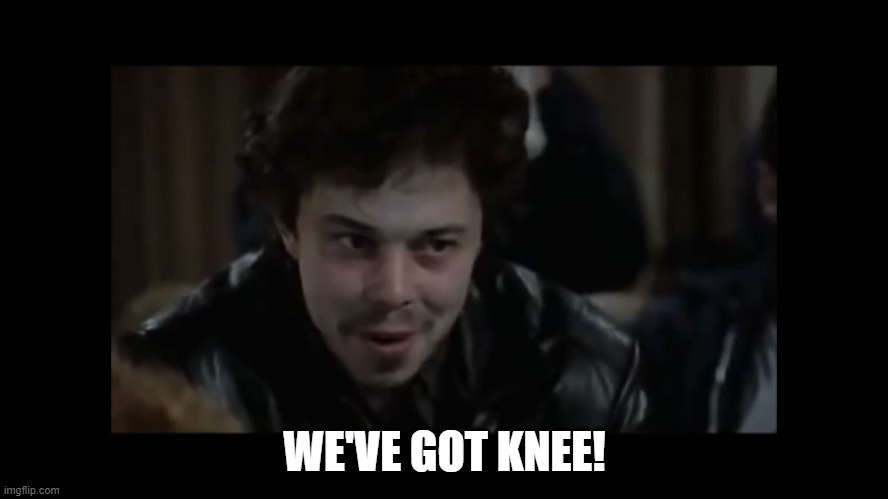
 13 points13 points12 points12 points12 pointsWhen Colt McCoy got blasted like that, we blamed Greg Davis for calling the play to expose the QB. When Sam Ehlinger got blasted like that, we blamed Tom Herman for using the QB as a battering ram. It was a bad play call. Your coach kind of sucks. Two star culture of accountability.12 pointsWhich one of you is that?12 points12 points12 points11 points11 pointsthis is simply not true. here is a chart i just made with the FRED data for GDP, GDP per Capita, and After Tax Corporate Profits. and here it is on a comparison basis. even if one allows for a ton of friendly accounting adjustments for inventory and capital consumption the average from 1930 to 2020, the average was 5.2%. 2021 was 8.4% (the first time since before the great depression it was over 7.6%) and 2022 will likely be over 9%. https://fred.stlouisfed.org/release/tables?rid=53&eid=42211#snid=42228 so no, your obfuscating talking point is factually erroneous. we are in uncharted, extraordinary times in terms of corporate profits...not just on a nominal basis, but also relative to GDP.11 pointsShea Dixon, who's a long time LSU mod for 247 and I think recently went to On3, did a LSU class prediction yesterday and he didn't have Toviano in it.11 points11 pointsYeah, I was expecting something closer to this But instead I saw this
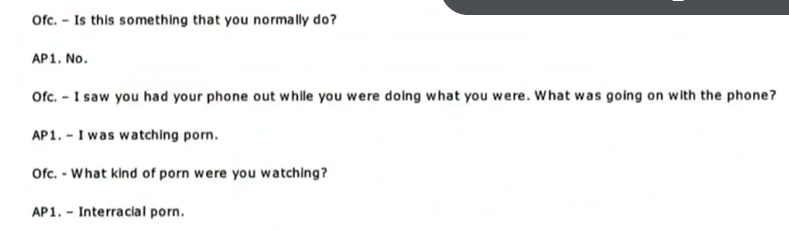
 11 points11 pointsShould have left a foreign passport and a couple copies of Sims on the ocean floor.11 points11 pointsNo one was going to rush the field against bama if they missed that FG, sorry to burst your bubble buddy.11 pointsGetting some serious Landon Jackson vibes there. I'm honestly not sure why Jackson is still trying football when he's been crushing it in HBO's Barry.11 pointsI just don’t get this. I understand rival hatred. I understand hatred of institutions like Baylor and pedo state that have inflicted significant harm on humans for the sake of sports. This mentality just reeks of penis envy. I guess it’s easier to create a boogie man than face reality.11 pointsReliving the ugliest part of history. Ugh. Among the comments:
 11 points11 pointsthere are literal links to texas boards with astros threads from the reeeeeal lean years 2009-2014. we all have the same fucking usernames you halfwit. most of us have stories and pics from the 80’s and 90’s, some earlier. but yes, we had no relationship with the yankees (clearly the only team you remotely follow) until 2013. you can figure out why that is on your own time. and guess what else - we can get swept in this series and we’ll all be back next march ready to fucking go because that’s what being a fan is. your posts are so heartbreakingly stupid that most people around here think it’s a bit. congrats, i guess. i would wish you luck but you wouldn’t know what to do with it if you had any.11 points10 pointsSo in summation: Iran: #TeamRussia Saudi Arabia: #TeamRussia Israel: #TeamRussia Seems like 70 years of fucking around in the Middle East has really paid off for us handsomely.10 points10 points10 points10 points10 pointsIt would have been better if he picked up that kid with his mouth and shook the shit out of him like a German Shepherd.10 points10 pointsIf every military expenditure had the national security ROI of our assistance to the Ukraine in fighting Russia, we wouldn't have a 31 trillion dollar national debt. It is the single most effective and cost efficient military expenditure we currently have, and it would have to rank high all time. As if I needed another reason to vote straight ticket against the Rs...10 points10 pointsOr....and go with me here, I need you to follow along......they're a toxic stew of arrogance, stupidity, and incompetence. They wanted to blow the pipeline and blame it on the west, but they can't pull off an operation to do it externally, deep in the Baltic, so they went with an easily traceable pig, because they are Russian.10 points10 points10 points10 points10 points10 pointsSteaming the tortillas was one of the other things I didn’t follow from the NEISD recipe. I wanted to do the quick fry in the pan method but I made 24 enchiladas and I am lazy by nature. So I put a light drizzle of oil down in a large Tupperware. And I dragged each tortilla thru the oil to get a light coat on said tortillas. I then laid them out on some butcher paper as such. I then utilized the oven method. I found it saved all the grease splatter inherent with frying anything. I then started laying cheese into the tortillas and found I could wrap six super fast. As you can see to the right of the tortillas I circumvented the dipping in the sauce by layering the bottom of the pan with some sauce (again, lazy). I then followed up by pouring the chili sauce on top of the enchiladas and voila. I also did do the egg on top for breakfast and my goodness…I almost forgot to take a pic. The yolk marrying up with the cheese, chili, and tortilla……10 points10 pointsSays the bandwagon fan who 100% quit on his team and started trashing them when they were tied 1-1 in the series. They come back, and now you talk just as much shit as ever, as if it never happened. Fucking gaping vagina. You're the very definition of a bandwagon fan.10 points9 pointsNext time Israel asks for help or military weapons, they should be told to suck a fat dick.9 points9 pointsDude- I love Yuli. If he has a dead cat bounce and wins the ALCS MVP as a last hurrah nobody will be happier than me.9 points9 points"we rewrote the laws to benefit ourselves but you can't consider that when discussing how much we're fucking you over"9 points9 points9 points9 points9 pointsWordle 487 3/6 🟨🟨⬜⬜⬜ ⬜⬜🟨⬜⬜ 🟩🟩🟩🟩🟩 Daily Quordle 268 5️⃣7️⃣ 4️⃣3️⃣ quordle.com 🟨⬜⬜🟨⬜ ⬜🟨⬜⬜🟨 ⬜⬜⬜🟨⬜ ⬜⬜⬜⬜⬜ ⬜⬜🟨⬜⬜ ⬜⬜⬜⬜🟨 ⬜⬜⬜⬜🟨 ⬜⬜⬜⬜⬜ 🟩🟩🟩🟩🟩 ⬜⬜⬜⬜⬜ ⬛⬛⬛⬛⬛ ⬜🟨⬜🟩🟩 ⬛⬛⬛⬛⬛ 🟩🟩🟩🟩🟩 ⬜⬜⬜⬜⬜ ⬜🟨🟨⬜⬜ ⬜🟩⬜🟨⬜ ⬜🟨⬜🟨⬜ ⬜⬜🟨🟩⬜ 🟩🟩🟩🟩🟩 🟩🟩🟩🟩🟩 ⬛⬛⬛⬛⬛ #Worldle #271 2/6 (100%) 🟩🟩🟩⬜⬜↗️ 🟩🟩🟩🟩🟩🎉 https://worldle.teuteuf.fr9 pointsThis leaderboard is set to Chicago/GMT-06:00Football ... Basketball ... Baseball ... Other Sports ... Futbol ... 🤫995🤫 ... Gambling ... Movies & TV ... Music ... Hobbies ... Lulz ... Food & Travel ... Daily Texan ... Business & Markets ... Cloak Room ... Help ... For Sale ... Board Discussion ... Advertise... Tailgate Donations
_svg.thumb.png.82894d23b355e14e5d907b7f7b0f16ef.png)









































Account
Search
Configure browser push notifications
Chrome (Android)
- Tap the lock icon next to the address bar.
- Tap Permissions → Notifications.
- Adjust your preference.
Chrome (Desktop)
- Click the padlock icon in the address bar.
- Select Site settings.
- Find Notifications and adjust your preference.
Safari (iOS 16.4+)
- Ensure the site is installed via Add to Home Screen.
- Open Settings App → Notifications.
- Find your app name and adjust your preference.
Safari (macOS)
- Go to Safari → Preferences.
- Click the Websites tab.
- Select Notifications in the sidebar.
- Find this website and adjust your preference.
Edge (Android)
- Tap the lock icon next to the address bar.
- Tap Permissions.
- Find Notifications and adjust your preference.
Edge (Desktop)
- Click the padlock icon in the address bar.
- Click Permissions for this site.
- Find Notifications and adjust your preference.
Firefox (Android)
- Go to Settings → Site permissions.
- Tap Notifications.
- Find this site in the list and adjust your preference.
Firefox (Desktop)
- Open Firefox Settings.
- Search for Notifications.
- Find this site in the list and adjust your preference.