Leaderboard
-
Schulz2.0
Certifiably Surly72Points10189Posts -

atomheartbevo
Certifiably Surly71Points63425Posts -

Deej
Burnt Ends65Points42952Posts -

brakeman
Legacy Members50Points12255Posts




Popular Content
Showing content with the highest reputation on 03/02/23 in all areas
-
18 pointsA good percentage of my relatives were gassed or executed in concentration camps, so we probably have a different view of the Germans. A few, mainly children without their parents, were lucky enough to escape to the US and after having to raise themselves, learn a new language and rise from poverty and prejudice were able to start a new life. Now we rule this motherfucker.18 points
-
16 points
-
15 pointsDon't need refueling trucks if you only drive a mile before hitting a mine.15 points
-
15 pointsImportant to remember the difference between nations and civilians that had been brutalized and occupied by the Nazis for years versus Germans who had mostly lived well (outside most large cities, German towns and villages were almost untouched). The Dutch, for instance, had a serious famine in winter 1944 and 1945 in a big part of the country and many were literally starving upon liberation. The French had lived through occupation and chronic looting, shortages, hunger, and forced labor. Even where the Germans weren’t killing, they were pillaging and making sure that the Reich stayed as comfortable as possible off the wealth and labor of their occupied zones. And of course, the Germans wanted very badly to get on good terms with the Western Allies because they understood what was coming from the East. When you read memoirs of Soviet (and to a lesser extent, British/American) soldiers, you note how astonished they were to find prosperous, comfortable, civilized farms and homes set in little fairy-tale forests and villages. The average German farmer had wealth and comforts beyond what any Soviet soldier could fathom, right up till the end of the war. Americans were more likely to succumb to the extensive charms of liberated Germany while the Soviets were whipped into a fury upon seeing first-hand that this wealthy and happy nation living off the fat of the land came to benighted Ukraine and Belarus and Russia to rob and steal from people far poorer. The Dutch, French, Belgians, etc. weren’t “themselves” as a nation at all and then you add in the tension in every war like this where the liberators feel some anger at the conquered for allowing themselves to fall while the liberated chafe at the idea that they’re supposed to feel gratitude and happiness after years of brutality and it gets toxic, the straightforward “victor/loser”’ dynamic is easier to grapple with especially when the loss came quickly and the victors are well-behaved.15 points
-
14 points14 points14 pointsFull video. Nice of the Belarusians to park the one plane worth hundreds of millions of dollars as the outermost craft.14 points14 pointsWordle 621 4/6* ⬜🟨⬜⬜🟩 ⬜⬜🟨⬜🟩 🟩⬜🟩⬜🟩 🟩🟩🟩🟩🟩 Daily Quordle 402 4️⃣6️⃣ 5️⃣3️⃣ quordle.com 🟨⬜⬜⬜🟨 ⬜⬜⬜⬜⬜ ⬜🟩⬜⬜⬜ ⬜🟨🟨⬜🟨 🟨⬜🟨⬜🟨 ⬜⬜⬜🟩🟩 🟩🟩🟩🟩🟩 ⬜🟨🟨⬜⬜ ⬛⬛⬛⬛⬛ ⬜⬜⬜⬜⬜ ⬛⬛⬛⬛⬛ 🟩🟩🟩🟩🟩 🟨⬜⬜⬜🟨 🟩🟩⬜⬜⬜ ⬜⬜⬜⬜⬜ ⬜🟨⬜⬜⬜ 🟨⬜⬜⬜⬜ 🟩🟩🟩🟩🟩 🟩⬜⬜🟩🟨 ⬛⬛⬛⬛⬛ 🟩🟩🟩🟩🟩 ⬛⬛⬛⬛⬛14 pointsWordle 621 4/6 ⬜🟨🟨⬜⬜ ⬜⬜🟨🟨⬜ ⬜🟨🟨🟨⬜ 🟩🟩🟩🟩🟩 #Worldle #405 2/6 (100%) 🟩🟩🟨⬜⬜➡️ 🟩🟩🟩🟩🟩🎉 ⭐⭐⭐🏙️🪙 https://worldle.teuteuf.fr Daily Quordle 402 4️⃣7️⃣ 5️⃣6️⃣ quordle.com ⬜🟩⬜⬜🟨 ⬜🟨⬜🟨⬜ ⬜🟨⬜⬜⬜ ⬜⬜🟨⬜⬜ ⬜🟩⬜🟩⬜ ⬜🟨⬜⬜⬜ 🟩🟩🟩🟩🟩 ⬜🟨🟨⬜⬜ ⬛⬛⬛⬛⬛ ⬜⬜⬜⬜⬜ ⬛⬛⬛⬛⬛ ⬜⬜⬜🟩🟩 ⬛⬛⬛⬛⬛ 🟩🟩🟩🟩🟩 ⬜⬜⬜⬜🟨 ⬜🟨🟨⬜⬜ ⬜🟩⬜⬜⬜ ⬜🟨⬜⬜⬜ ⬜⬜🟩🟩🟩 ⬜🟨⬜⬜⬜ 🟩⬜⬜🟩🟨 ⬜🟨🟨⬜🟨 🟩🟩🟩🟩🟩 ⬜🟨⬜⬜⬜ ⬛⬛⬛⬛⬛ 🟩🟩🟩🟩🟩14 points13 points13 points13 points13 points13 points“What air defense doing?” “Is potato.” Also, the boy and his buddies made a potato cannon over Xmas break. It was hellaciously powerful. They used 3D printed sabot rounds, though. Went right through the “armor” on their shitty technical, so I presume it would pierce most Russian armor as well.13 points13 points13 points13 pointsThat’s just straight Holocaust denialism, there’s ample evidence that the Germans carefully counted calories at work camps to basically get maximum labor as healthy Jews starved to death. And the “death camps” (for Holocaust historians it’s important to distinguish between concentration/work and death camps) didn’t starve anyone. They gassed Jews and others basically as soon as they got off the train at Belzec, Treblinka, and Sobibor). They had combination work camps and death camps at Auschwitz and Majdanek. These facilities were built because mass shootings in the east were logistically tough and caused psychological issues. The Nazis put these camps on the territory of the General Government so good Germans wouldn’t have to see them. Long story short, blaming the death of Jews on starvation caused by Allied bombing isn’t just morally gross, it’s historically wrong and a typical Holocaust denial tactic.13 points13 pointsTex/aggy was always a rivalry but it was never very important in the big scheme of college football. Its like my rivalry with fire ants in my back yard, i hate them and they hate me, but no one really gives a shit.12 pointstried a new starting word. probably used up all the luck... Wordle 621 2/6 🟩⬜⬜🟩🟩 🟩🟩🟩🟩🟩 Daily Quordle 402 5️⃣4️⃣ 6️⃣7️⃣ quordle.com ⬜⬜⬜⬜⬜ ⬜🟩⬜⬜⬜ 🟨⬜⬜🟩🟩 🟨⬜🟩⬜⬜ ⬜⬜⬜⬜🟨 ⬜⬜⬜⬜🟩 ⬜⬜⬜🟨🟨 🟩🟩🟩🟩🟩 🟩🟩🟩🟩🟩 ⬛⬛⬛⬛⬛ ⬜⬜⬜⬜🟩 ⬜⬜⬜⬜⬜ ⬜⬜⬜🟩🟨 🟨🟩⬜⬜🟨 ⬜⬜⬜⬜⬜ ⬜⬜⬜⬜🟩 ⬜⬜⬜⬜⬜ ⬜⬜⬜🟩🟩 🟩⬜⬜🟩🟨 ⬜🟨🟨⬜🟨 🟩🟩🟩🟩🟩 ⬜🟨⬜⬜⬜ ⬛⬛⬛⬛⬛ 🟩🟩🟩🟩🟩12 pointsI started with a great word for this one. Wordle 621 2/6 🟩🟩🟩⬜⬜ 🟩🟩🟩🟩🟩12 points12 pointsWordle 621 4/6 [emoji834]🟨🟨[emoji834][emoji834] [emoji834]🟨[emoji834][emoji834]🟩 🟩🟩🟩[emoji834]🟩 🟩🟩🟩🟩🟩 Don’t ask me how long I stared at guess 4 because I’m not telling you how long I stared at guess 4….12 points12 pointsWinnick is of Ukrainian descent. The video has her speaking with Zelenskyy. Since we've been talking a lot about Bakhmut, I feel it's important to point out that it is the hometown of Ukrainian Olympian high jumper Yuliia Levchenko.12 points12 points12 points12 pointsAppalachian State at this suggestion..
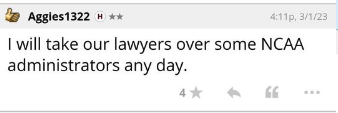
 11 points2 6's in a row. I guess that's what being in the Eastern time zone does to me. Wordle 621 6/6* [emoji834]🟨[emoji834][emoji834]🟩 [emoji834][emoji834]🟨[emoji834]🟩 🟩[emoji834]🟩[emoji834]🟩 🟩[emoji834]🟩[emoji834]🟩 🟩[emoji834]🟩🟩🟩 🟩🟩🟩🟩🟩11 points11 pointsOther than that, the play was just alright. The food was horrible, the drinks were overpriced and at intermission they did an interview with Roger Waters.11 points10 points10 points10 points10 points10 pointsTo be fair, we should also point out all the Ukrainian mines the Russians have successfully run over and destroyed.10 pointsWordle 621 3/6 ⬜🟨⬜⬜🟨 ⬜🟨⬜⬜⬜ 🟩🟩🟩🟩🟩 Daily Quordle 402 6️⃣5️⃣ 7️⃣4️⃣ quordle.com 🟨⬜⬜⬜⬜ ⬜⬜⬜⬜🟨 ⬜🟨⬜⬜⬜ ⬜⬜⬜🟨⬜ 🟨⬜🟨🟩⬜ 🟨⬜⬜⬜⬜ 🟨⬜🟨⬜🟨 ⬜⬜⬜🟩🟩 ⬜⬜⬜🟨🟨 🟩🟩🟩🟩🟩 🟩🟩🟩🟩🟩 ⬛⬛⬛⬛⬛ 🟨⬜🟨⬜⬜ 🟩🟩⬜⬜⬜ ⬜🟨⬜⬜⬜ ⬜⬜⬜⬜⬜ ⬜⬜🟨🟩🟩 🟨⬜🟨⬜⬜ 🟨⬜⬜⬜⬜ 🟩🟩🟩🟩🟩 ⬜⬜⬜⬜⬜ ⬛⬛⬛⬛⬛ 🟩⬜⬜🟩🟨 ⬛⬛⬛⬛⬛ 🟩🟩🟩🟩🟩 ⬛⬛⬛⬛⬛10 points"Germain". I swear it's almost like this shit is some subtle form of performance art. Also, the part where the guy says he'd trust aggie lawyers over someone at the NCAA is awesome. They honestly think this shit was examined with a fine-toothed comb by a crack team of highly paid lawyers for more than 18 months to ensure that everything they're doing is kosher. If they had anything north of a room temperature IQ on Texags, they'd have some basic understanding that their "lawyers" don't appear to do that whole "law" thing very well at all. They'd also recognize that in fucking with the SEC on this stuff, they're further alienating an entity with actual enormous power over their outcomes in every fucking sport. They've been poking the SEC and also Bama for two years now and that hasn't exactly been working out well, but, hey, keep going!10 pointsGeez. In hindsight this wasn’t all that hard, but it took frickin forever. Wordle 621 5/6* ⬜🟨⬜🟨⬜ ⬜⬜🟨🟨⬜ 🟩⬜⬜⬜🟩 🟩⬜⬜⬜🟩 🟩🟩🟩🟩🟩 Fack! Daily Quordle 402 8️⃣🟥 5️⃣9️⃣ quordle.com ⬜⬜⬜🟨🟨 ⬜🟨⬜⬜⬜ ⬜🟨⬜🟩⬜ ⬜⬜⬜⬜⬜ ⬜⬜⬜⬜⬜ ⬜🟩⬜⬜🟨 ⬜🟨⬜🟩⬜ ⬜⬜⬜⬜⬜ 🟩🟨⬜🟩⬜ ⬜⬜⬜⬜⬜ 🟩⬜⬜🟩🟩 ⬜⬜⬜⬜⬜ 🟩⬜🟨🟩🟩 ⬜⬜🟨⬜⬜ 🟩🟩🟩🟩🟩 ⬜🟨🟨⬜⬜ ⬛⬛⬛⬛⬛ ⬜⬜⬜🟩🟩 ⬜⬜⬜🟨🟨 ⬜⬜🟨🟨⬜ ⬜🟩🟩🟩⬜ ⬜🟨⬜⬜⬜ ⬜⬜⬜⬜⬜ ⬜⬜⬜⬜⬜ ⬜🟩🟩🟩🟩 ⬜🟨⬜⬜⬜ 🟩🟩🟩🟩🟩 ⬜🟨⬜⬜⬜ ⬛⬛⬛⬛⬛ ⬜⬜⬜⬜🟨 ⬛⬛⬛⬛⬛ ⬜⬜🟩⬜🟨 ⬛⬛⬛⬛⬛ ⬜🟨🟨⬜🟨 ⬛⬛⬛⬛⬛ 🟩🟩🟩🟩🟩 At least something went right today #waffle405 5/5 🟩🟩🟩🟩🟩 🟩⭐🟩⭐🟩 🟩🟩⭐🟩🟩 🟩⭐🟩⭐🟩 🟩🟩🟩🟩🟩 🔥 streak: 138 🌟 #wafflecenturion wafflegame.net10 pointsrapidsave.com_the_organisers_are_lucky_nobody_died-7s5lylucn3la1.mp410 points10 pointsMoldova also passed a declaration condemning Russia for the war in Ukraine, demanding Russian troops withdraw, and supporting an international tribunal to prosecute war crimes.10 pointsWordle 621 4/6 ⬜⬜🟨⬜🟩 🟩⬜🟩⬜🟩 🟩⬜🟩🟨🟩 🟩🟩🟩🟩🟩 Daily Quordle 402 5️⃣4️⃣ 6️⃣3️⃣ quordle.com ⬜🟨⬜⬜🟨 ⬜⬜⬜🟨⬜ 🟨⬜⬜⬜🟨 🟨🟩⬜⬜🟩 🟨⬜🟨⬜🟨 ⬜⬜⬜🟩🟩 ⬜⬜⬜🟨🟨 🟩🟩🟩🟩🟩 🟩🟩🟩🟩🟩 ⬛⬛⬛⬛⬛ ⬜🟩⬜⬜🟨 ⬜🟨🟨⬜⬜ ⬜⬜⬜⬜⬜ 🟨⬜⬜⬜🟩 🟨⬜⬜⬜⬜ 🟩🟩🟩🟩🟩 ⬜⬜⬜⬜⬜ ⬛⬛⬛⬛⬛ 🟩⬜⬜🟩🟨 ⬛⬛⬛⬛⬛ 🟩🟩🟩🟩🟩 ⬛⬛⬛⬛⬛ I had a special case of stupid on worldle today. #Worldle #405 3/6 (100%) 🟩🟩🟩🟩🟨↗️ 🟩🟩🟩🟩🟨↗️ 🟩🟩🟩🟩🟩🎉 https://worldle.teuteuf.fr10 pointsWordle 619 5/6* ⬜⬜🟨⬜⬜ 🟨🟨🟨⬜⬜ ⬜🟩⬜🟨🟨 ⬜🟩⬜🟨🟩 🟩🟩🟩🟩🟩 Daily Quordle 400 7️⃣5️⃣ 3️⃣6️⃣ quordle.com 🟨🟨⬜🟨🟨 🟨🟨⬜⬜⬜ ⬜⬜⬜⬜⬜ ⬜🟨⬜🟨⬜ ⬜⬜🟨🟩⬜ ⬜⬜🟨🟩⬜ ⬜🟨⬜🟩⬜ 🟨🟩🟨🟩🟩 ⬜🟨⬜🟩⬜ 🟩🟩🟩🟩🟩 ⬜⬜⬜⬜🟨 ⬛⬛⬛⬛⬛ 🟩🟩🟩🟩🟩 ⬛⬛⬛⬛⬛ 🟨🟨⬜⬜⬜ ⬜⬜⬜⬜⬜ 🟩⬜🟨⬜⬜ ⬜🟩🟩⬜⬜ 🟩🟩🟩🟩🟩 ⬜🟨⬜⬜⬜ ⬛⬛⬛⬛⬛ ⬜⬜🟨⬜⬜ ⬛⬛⬛⬛⬛ 🟨⬜⬜⬜⬜ ⬛⬛⬛⬛⬛ 🟩🟩🟩🟩🟩 #waffle403 5/5 🟩🟩🟩🟩🟩 🟩⭐🟩⭐🟩 🟩🟩⭐🟩🟩 🟩⭐🟩⭐🟩 🟩🟩🟩🟩🟩 🔥 streak: 137 🌟 #wafflecenturion wafflegame.net10 pointsWordle 621 4/6* ⬛🟨🟨⬛⬛ ⬛⬛🟨🟨⬛ ⬛🟨⬛🟨🟩 🟩🟩🟩🟩🟩 Daily Quordle 402 4️⃣7️⃣ 5️⃣6️⃣ quordle.com ⬜⬜⬜⬜🟩 ⬜🟨⬜⬜⬜ ⬜🟩⬜⬜🟨 ⬜🟨🟨⬜⬜ ⬜⬜⬜⬜🟨 ⬜⬜⬜⬜🟩 🟩🟩🟩🟩🟩 ⬜🟨🟨⬜⬜ ⬛⬛⬛⬛⬛ ⬜⬜⬜⬜⬜ ⬛⬛⬛⬛⬛ ⬜⬜⬜🟩🟩 ⬛⬛⬛⬛⬛ 🟩🟩🟩🟩🟩 ⬜⬜⬜⬜🟨 ⬜⬜🟨⬜🟨 ⬜⬜⬜⬜🟨 ⬜🟨⬜⬜⬜ ⬜⬜⬜⬜⬜ ⬜⬜⬜⬜🟩 🟩⬜⬜🟩🟨 ⬜🟨🟨⬜🟨 🟩🟩🟩🟩🟩 ⬜🟨⬜⬜⬜ ⬛⬛⬛⬛⬛ 🟩🟩🟩🟩🟩 #Worldle #405 1/6 (100%) 🟩🟩🟩🟩🟩🎉 ⭐⭐⭐🏙️🪙 https://worldle.teuteuf.fr10 pointsWordle 621 4/6 ⬜⬜🟨⬜⬜ ⬜⬜🟩⬜🟩 ⬜⬜🟩⬜🟩 🟩🟩🟩🟩🟩 Finally broke the 5/6 streak. Daily Quordle 402 4️⃣5️⃣ 7️⃣6️⃣ quordle.com ⬜⬜⬜⬜⬜ ⬜🟩⬜⬜🟨 ⬜⬜⬜⬜⬜ ⬜🟨⬜⬜⬜ 🟨⬜⬜🟩🟩 🟨⬜⬜⬜⬜ 🟩🟩🟩🟩🟩 ⬜🟨🟨⬜⬜ ⬛⬛⬛⬛⬛ 🟩🟩🟩🟩🟩 🟨⬜⬜⬜⬜ ⬜⬜⬜⬜⬜ ⬜⬜⬜⬜⬜ ⬜⬜⬜⬜⬜ ⬜⬜⬜🟩🟨 🟨🟩⬜⬜🟨 🟩⬜⬜🟩🟨 ⬜🟨🟨⬜🟨 ⬜⬜⬜⬜⬜ ⬜⬜⬜🟩🟩 🟨⬜⬜⬜⬜ 🟩🟩🟩🟩🟩 🟩🟩🟩🟩🟩 ⬛⬛⬛⬛⬛10 points10 pointsApparently at this same tank in Vilnius with the Soviet Nostalgia Dumpster, a guy tried to leave a toilet by the tank, but I think the cops overruled him. The toilet was marvelous while it lasted. Really tied the room together.10 points10 pointsIf we're going to start banning parties, then maybe start with the group that attempted a fucking insurrection.10 points9 points9 pointsRomania can tell Russia they are worried about the Romanian speakers and Moldova requested their help to go in and rescue them from Nazis.9 points9 points9 points9 points9 points9 points9 pointsThere is a big divide in Eastern Europe between the folks nostalgic for Soviet times and everybody else:9 points8 pointsThis leaderboard is set to Chicago/GMT-06:00Football ... Basketball ... Baseball ... Other Sports ... Futbol ... 🤫995🤫 ... Gambling ... Movies & TV ... Music ... Hobbies ... Lulz ... Food & Travel ... Daily Texan ... Business & Markets ... Cloak Room ... Help ... For Sale ... Board Discussion ... Advertise... Tailgate Donations
Account
Search
Configure browser push notifications
Chrome (Android)
- Tap the lock icon next to the address bar.
- Tap Permissions → Notifications.
- Adjust your preference.
Chrome (Desktop)
- Click the padlock icon in the address bar.
- Select Site settings.
- Find Notifications and adjust your preference.
Safari (iOS 16.4+)
- Ensure the site is installed via Add to Home Screen.
- Open Settings App → Notifications.
- Find your app name and adjust your preference.
Safari (macOS)
- Go to Safari → Preferences.
- Click the Websites tab.
- Select Notifications in the sidebar.
- Find this website and adjust your preference.
Edge (Android)
- Tap the lock icon next to the address bar.
- Tap Permissions.
- Find Notifications and adjust your preference.
Edge (Desktop)
- Click the padlock icon in the address bar.
- Click Permissions for this site.
- Find Notifications and adjust your preference.
Firefox (Android)
- Go to Settings → Site permissions.
- Tap Notifications.
- Find this site in the list and adjust your preference.
Firefox (Desktop)
- Open Firefox Settings.
- Search for Notifications.
- Find this site in the list and adjust your preference.