Leaderboard
-
Js1
Certifiably Surly144Points78957Posts -

Brisketexan
Legacy Members126Points56128Posts -
Doc Daneeka
Full Members125Points3742Posts -
Vertigo
Certifiably Surly112Points10668Posts




Popular Content
Showing content with the highest reputation on 10/07/24 in all areas
-
Moscow Mitch had his chance to get rid of Trump and chose not to impeach him. Fuck that guy forever.27 points
-
26 pointsAlright idiots. I took the bull by the horns and called the fair direct and was told the fairgrounds will open at 7 am on Saturday.26 points
-
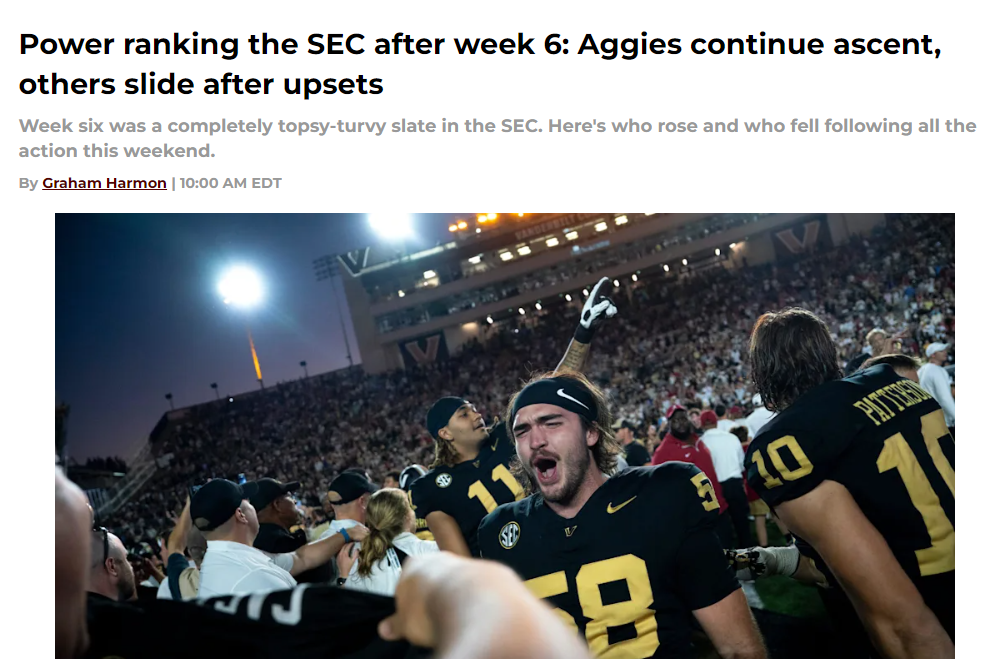
26 pointsSEC shorts is out, reminder, that putting the captions ON increases the experiences.26 points
-
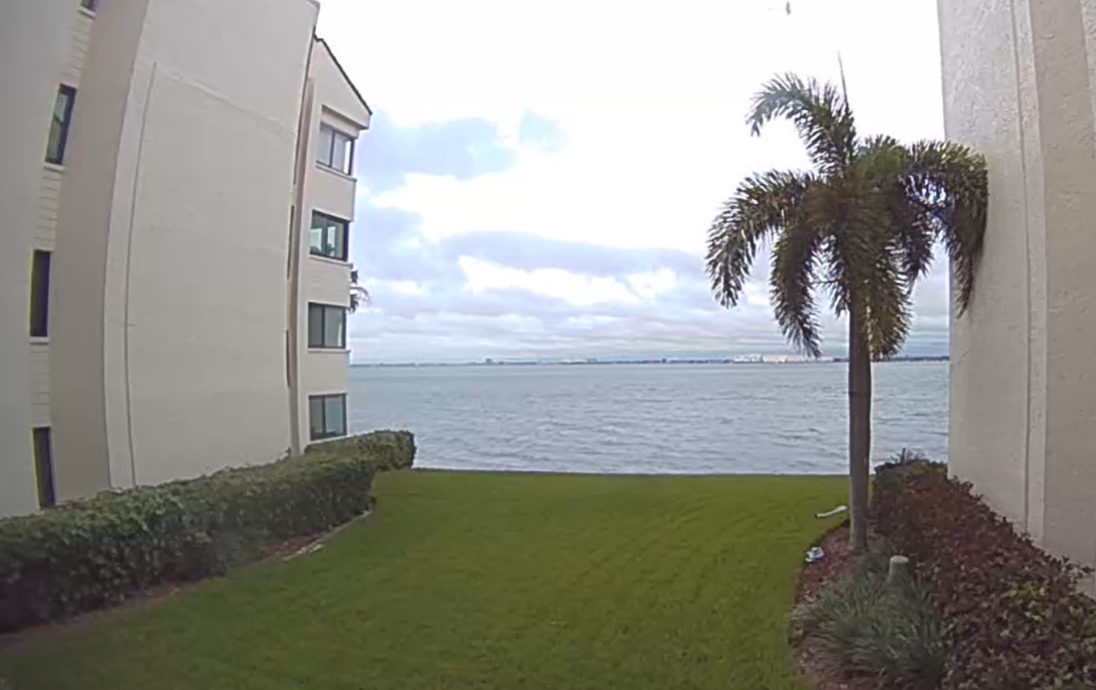
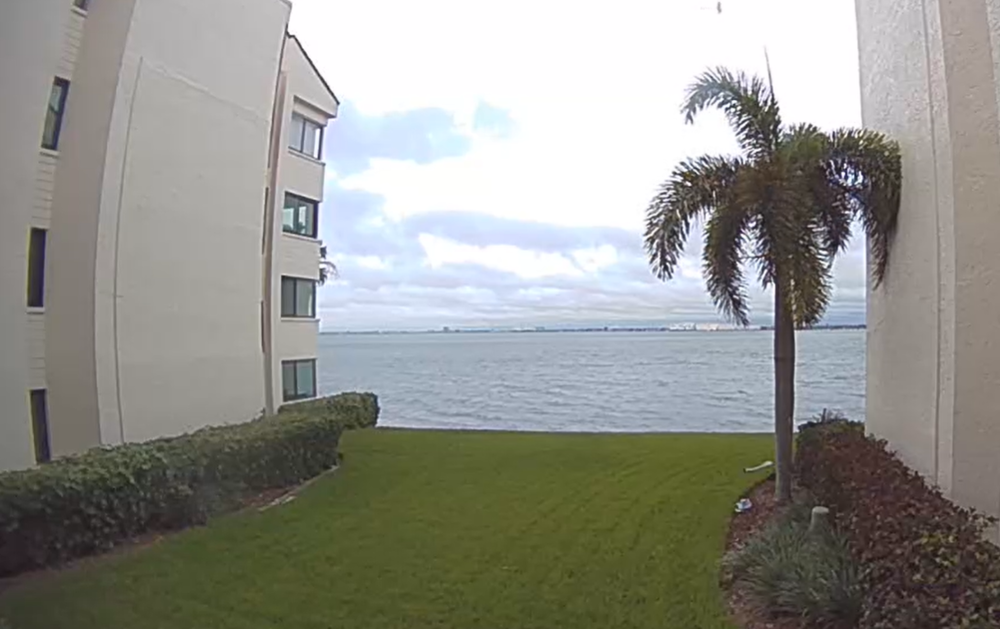
25 points25 points21 pointsParking not open til 3. Gates don't open til 4. You and any other Sooners you hang out with, should probably just skip this year. No sense in wasting your time.21 points21 points21 points21 points19 points19 points19 pointsAt work now in Naples, house is far enough inland that storm surge won't be an issue. Condo in St Pete is on 2nd floor overlooking Boca Ciega Bay, first floor was good during Helene so not expecting any water issues from Milton. Set a ring camera up over the bay with battery backup so will try to post updates: 8:45 Monday nice and calm
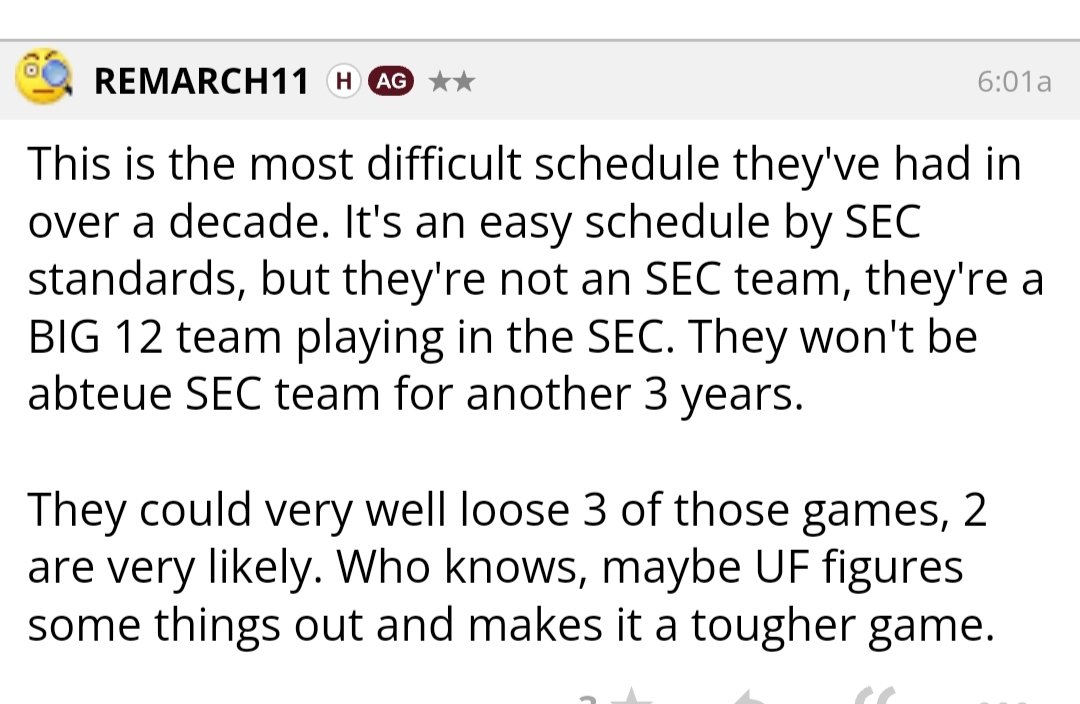
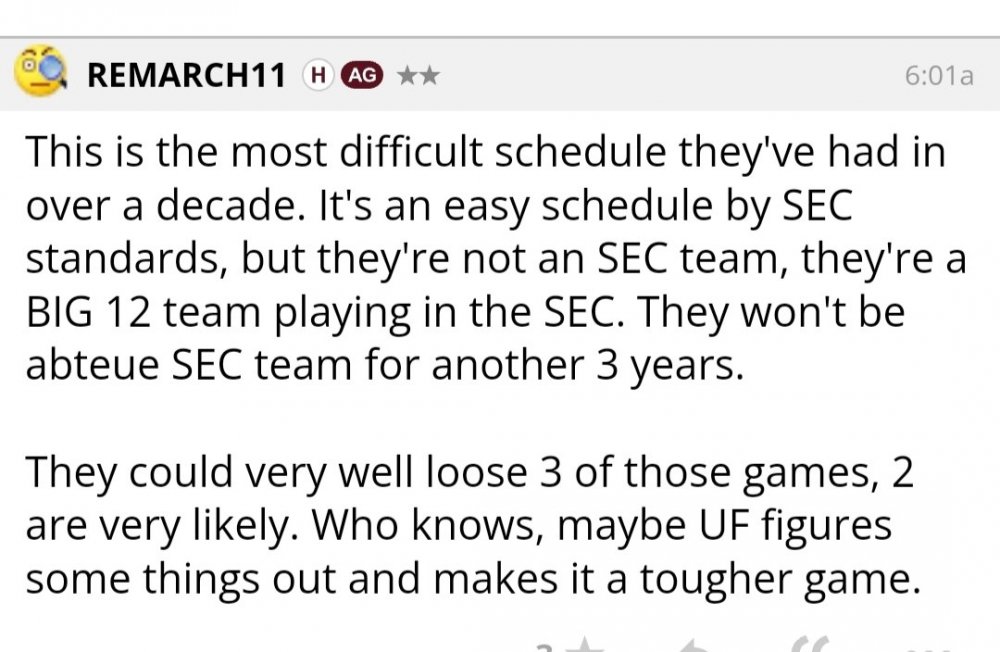
 19 pointsIf Casey Thompson were to come in and lead them to victory in the Cotton Bowl, I'd probably never watch football ever again.18 pointsI've had to cut waaaay back on my NPR consumption. The "undecided voter" pieces were going to make my brain explode.18 points18 points18 points18 points17 pointsfrom dudes posting on the linkd thread: +++ Tampa has not experienced a direct hit since 1921. Regardless of where the eye meets land, the Tampa Bay region is in for a difficult recovery. But the consequences will be profoundly worse if the eye hits North of the mouth of Tampa Bay as opposed to South, leaving it on the “dirty” (right) side of the storm. That would deliver a Hurricane Andrew, Hurricane Katrina-level event. Did I mention that the debris from Hurricane Helene is still on curbs awaiting pickup across the region… “According to a 10-year-old estimate by Karen Clark and Co., a Boston-based catastrophe modeling firm, a direct hit on Tampa Bay by a Category 5 hurricane could produce upward of $175 billion in damage and potentially kill thousands—a Hurricane Katrina–scale disaster, or even worse. And that’s just on its own. But this hurricane isn’t even happening in isolation. The one-two punch from Helene and Milton is what climatologists call a ‘compound event.’” +++ As Category 5 hurricane hashtag#Milton barrels toward Florida's west coast (the second in as many weeks), I can't help but think about the health care providers gearing up for what’s coming. This one's personal for me—I spent years living, studying and working in Florida, and my mom still calls Clearwater home. After nearly two decades in health care public affairs, I've also seen what these storms mean for the medical community. While we’re all glued to weather updates, there’s a whole world of preparation happening behind the scenes. Communities are still recovering from Hurricane Helene, but in places like Tampa, St. Pete and my mom’s town of Clearwater, health care workers are already in full crisis mode. Long-term care facilities and nursing homes under mandatory evacuation orders are playing matchmaker, making sure receiving facilities can meet each patient's needs. And there’s the added complexity of making sure medications—especially those that require refrigeration—are properly transported and stored. Hospitals like Morton Plant are buzzing with activity behind closed doors. Tough decisions are being made about which patients can be safely evacuated and which need to shelter in place due to critical care needs. They’re stockpiling medications and checking backup generators to keep everything powered. And they’re bracing for a potential flood of new emergency cases, all while likely facing staff shortages. Home health agencies are racing to prepare their most vulnerable patients. They’re ensuring patients have at least a week’s worth of meds and spare batteries for medical devices. For those who rely on oxygen, they’re securing enough portable tanks to get through power outages. They’re also coordinating with local emergency services to flag priority cases for evacuation. And then there’s the larger, more daunting picture: Hospitals will be triaging power to keep life-support systems and critical equipment running when the grid inevitably goes down. They’ll be fighting to maintain sterile conditions and safe access routes as flooding becomes a real threat. Backup communication systems are being set up, because when regular channels fail, coordinating care becomes an entirely new challenge. For those relying on powered medical devices—ventilators, oxygen concentrators, home dialysis machines—the stakes are life or death. As we all watch this storm approach, I’m thinking about all the health care workers putting in long hours and sleepless nights to protect our most vulnerable community members — people like my mom's friends and neighbors. Their work may go unseen, but they deserve our utmost gratitude.17 points17 points17 points16 pointsIt would be a shame if President Harris deported Elon next year.16 points16 points16 points16 points16 points16 points15 points15 points15 pointsThe mental gymnastics in this 1 screenshot is astounding
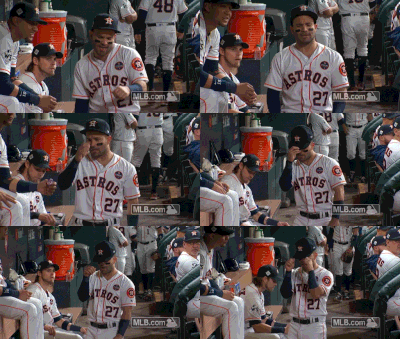
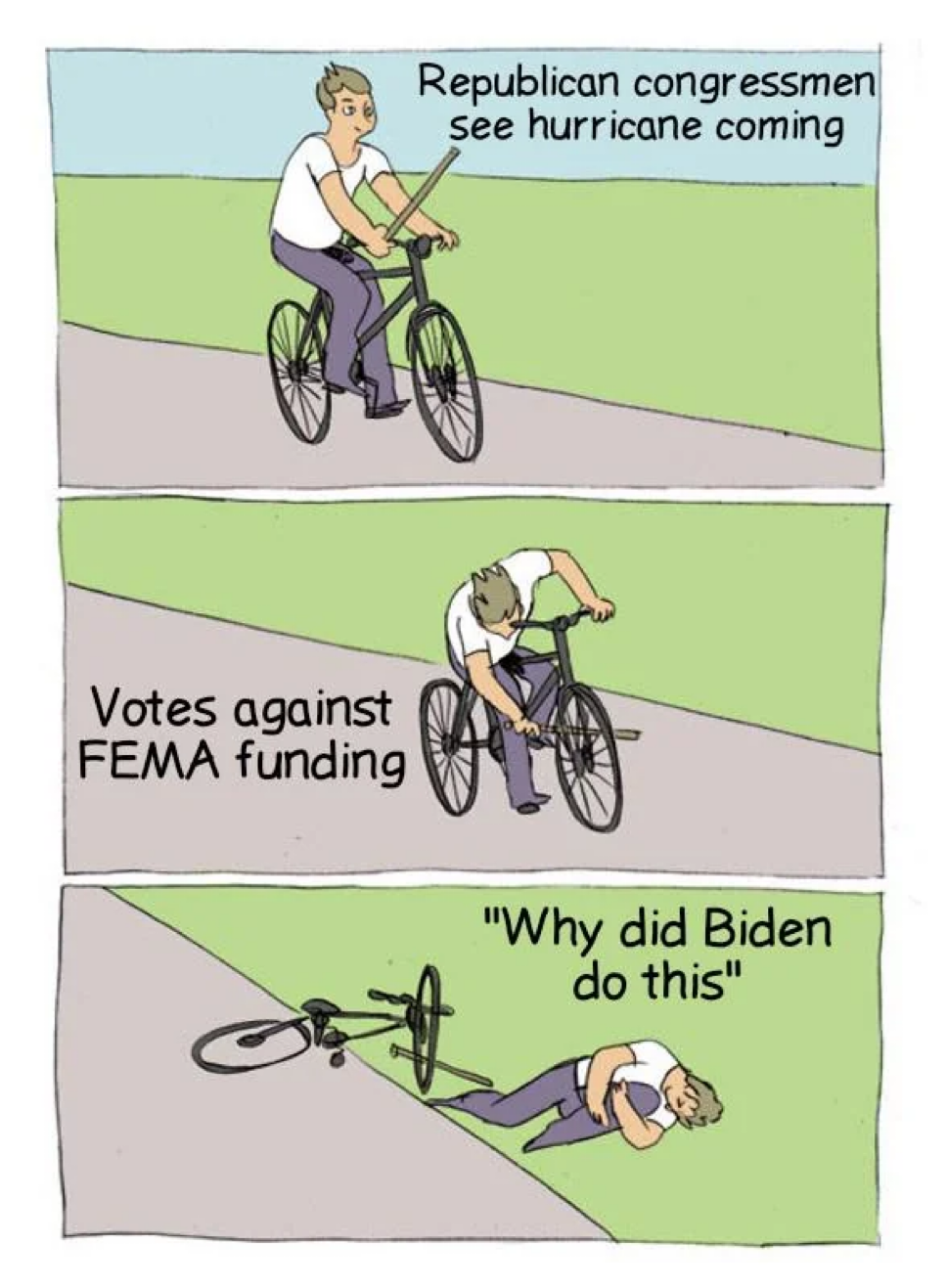
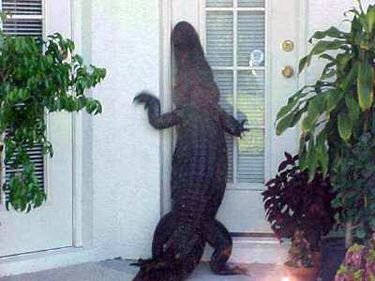
 15 points14 pointsWell good news, I know how to stop that, just put the Vandy offense on the field.14 points14 points14 points14 points60.2% + 61.2% = 121.4%. aggy has a 121% chance of winning both games, ya stoopid sip!14 points14 pointsAnd some, I assume, are good people. But seriously, the fact that we have prominent national politicians and social media mavens who are intentionally telling lies about FEMA and interfering with people getting aid is fucking evil and disgusting. Of course, even on Surly (a site populated by mostly the college-educated), we still have incredibly stupid dipshits, like @US183, falling for and spreading that vile filth.14 pointsLol “My uncle is a Texas fan that thinks the best football team, baseball coach, and athletic director they’ve had in a decade actually all suck!”14 points13 pointsThat's a petition many would sign You know who else was very publicly hung? Hunter Biden13 points13 points13 points13 points13 pointsThe conditioned political skepticism I have grown to live with over the past hundred years since 2016 has taught me not to believe my lying feelings or any glimmer of hope about anything but I do want to comment - living in NC, apart from the occasional crazy person house (house on a busy road with a giant banner of post assassination attempt fist raising trump, clearly deranged lunatic near the preschool with a combined america/israel flag on a post and maga shit everywhere) GOP people have seemingly shut the fuck up. Especially post nazi lt governor, and past that I've seen a lot of mostly apolitical or even "I would guess that this person is conservative" people on facebook being mad about the lies about Western NC. I'm really hoping all of this bullshit has an impact in this state. At least to stop the lunatics who they are trying to put in charge of the schools.12 points12 points12 points“Excuse me, ma’am, but I live in the neighborhood and I was just wondering if you and your husband were going to stay!….Why?….Just curious. One of the pythons was asking.”
 12 pointsIt's nice that these morons don't see that Israel is keeping the war going and possibly attacking Iran in part to help Trump get elected. Again, you vote for Trump or vote 3rd party and she loses, I will enjoy waving at you as you are being deported from this country and your family is blocked from arriving by the reinstated Muslim ban. If you think that piece of shit will stop Israel from doing anything, you're a fucking moron. It's amazing how many groups will be voting against their own interests in this election because they're mad about something. Perfectly manipulated and they are falling right into the trap that will take away everything they care about.12 pointsYeah, by nuking Gaza. Fucking leopards12 pointsThe fact either of them are considered good interviewers is insanity12 pointsWordle 1,206 3/6* [emoji834]🟨🟨[emoji834][emoji834] [emoji834]🟩🟩🟩[emoji834] 🟩🟩🟩🟩🟩 Connections Puzzle #484 🟪🟪🟪🟪 🟦🟨🟦🟦 🟨🟨🟨🟨 🟩🟦🟩🟩 🟩🟩🟩🟩 🟦🟦🟦🟦 I feel dumber after doing Connections12 points12 points12 pointsWordle 1,206 3/6* ⬜⬜⬜⬜⬜ ⬜🟨🟨⬜⬜ 🟩🟩🟩🟩🟩 🙂 Daily Quordle 987 6️⃣7️⃣ 9️⃣4️⃣ m-w.com/games/quordle/ ⬜🟩⬜⬜⬜ ⬜🟩⬜⬜🟩 ⬜⬜🟩⬜⬜ ⬜⬜⬜⬜🟨 ⬜⬜🟨⬜⬜ ⬜🟨🟨⬜🟨 ⬜⬜🟨⬜⬜ 🟩🟨🟨⬜⬜ 🟨🟩⬜🟨⬜ 🟨🟩⬜⬜🟩 🟩🟩🟩🟩🟩 ⬜🟩⬜🟨⬜ ⬛⬛⬛⬛⬛ 🟩🟩🟩🟩🟩 ⬜🟨🟩⬜⬜ ⬜🟨⬜⬜🟨 ⬜⬜⬜⬜⬜ ⬜⬜⬜🟩🟩 ⬜⬜🟨⬜⬜ ⬜🟩🟩🟩🟩 ⬜⬜🟨⬜⬜ 🟩🟩🟩🟩🟩 ⬜🟨🟨⬜⬜ ⬛⬛⬛⬛⬛ ⬜🟨⬜⬜⬜ ⬛⬛⬛⬛⬛ ⬜🟨⬜⬜⬜ ⬛⬛⬛⬛⬛ 🟩⬜🟩🟩🟩 ⬛⬛⬛⬛⬛ 🟩🟩🟩🟩🟩 ⬛⬛⬛⬛⬛12 pointsWordle 1,206 2/6 ⬛🟩⬛⬛⬛ 🟩🟩🟩🟩🟩 Tough one. Connections Puzzle #484 🟪🟪🟪🟪 🟩🟩🟩🟩 🟨🟨🟨🟨 🟦🟦🟦🟦 🙂 Daily Quordle 987 7️⃣5️⃣ 6️⃣4️⃣ m-w.com/games/quordle/ ⬜⬜🟨⬜⬜ ⬜⬜🟨⬜⬜ 🟩🟨⬜⬜⬜ ⬜🟨⬜⬜🟩 ⬜🟨⬜⬜⬜ ⬜⬜⬜⬜⬜ ⬜⬜🟨⬜⬜ 🟩🟨🟨⬜⬜ ⬜🟩🟨⬜⬜ 🟩🟩🟩🟩🟩 🟨⬜⬜⬜⬜ ⬛⬛⬛⬛⬛ 🟩🟩🟩🟩🟩 ⬛⬛⬛⬛⬛ ⬜⬜🟨🟨⬜ ⬜🟨🟩⬜⬜ ⬜⬜⬜🟩⬜ ⬜⬜⬜⬜🟨 ⬜⬜⬜🟨⬜ ⬜⬜⬜⬜⬜ ⬜⬜🟨⬜⬜ 🟩🟩🟩🟩🟩 ⬜🟨⬜⬜⬜ ⬛⬛⬛⬛⬛ 🟩🟩🟩🟩🟩 ⬛⬛⬛⬛⬛12 pointsThis leaderboard is set to Chicago/GMT-06:00Football ... Basketball ... Baseball ... Other Sports ... Futbol ... 🤫995🤫 ... Gambling ... Movies & TV ... Music ... Hobbies ... Lulz ... Food & Travel ... Daily Texan ... Business & Markets ... Cloak Room ... Help ... For Sale ... Board Discussion ... Advertise... Tailgate Donations
Account
Search
Configure browser push notifications
Chrome (Android)
- Tap the lock icon next to the address bar.
- Tap Permissions → Notifications.
- Adjust your preference.
Chrome (Desktop)
- Click the padlock icon in the address bar.
- Select Site settings.
- Find Notifications and adjust your preference.
Safari (iOS 16.4+)
- Ensure the site is installed via Add to Home Screen.
- Open Settings App → Notifications.
- Find your app name and adjust your preference.
Safari (macOS)
- Go to Safari → Preferences.
- Click the Websites tab.
- Select Notifications in the sidebar.
- Find this website and adjust your preference.
Edge (Android)
- Tap the lock icon next to the address bar.
- Tap Permissions.
- Find Notifications and adjust your preference.
Edge (Desktop)
- Click the padlock icon in the address bar.
- Click Permissions for this site.
- Find Notifications and adjust your preference.
Firefox (Android)
- Go to Settings → Site permissions.
- Tap Notifications.
- Find this site in the list and adjust your preference.
Firefox (Desktop)
- Open Firefox Settings.
- Search for Notifications.
- Find this site in the list and adjust your preference.