Leaderboard
-
Pancho
Legacy Members245Points21675Posts -
Js1
Certifiably Surly223Points78957Posts -

tx 3 putt
Legacy Members171Points79509Posts -
henrygandorf
Certifiably Surly120Points20023Posts




Popular Content
Showing content with the highest reputation on 10/25/24 in all areas
-
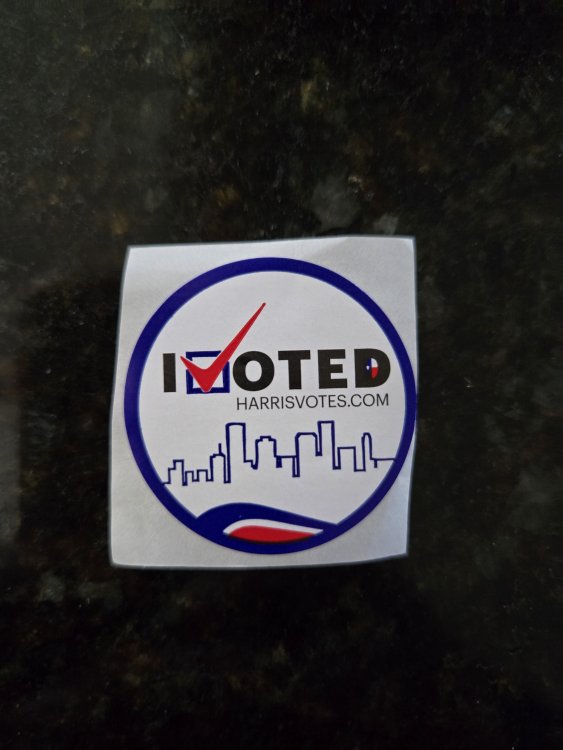
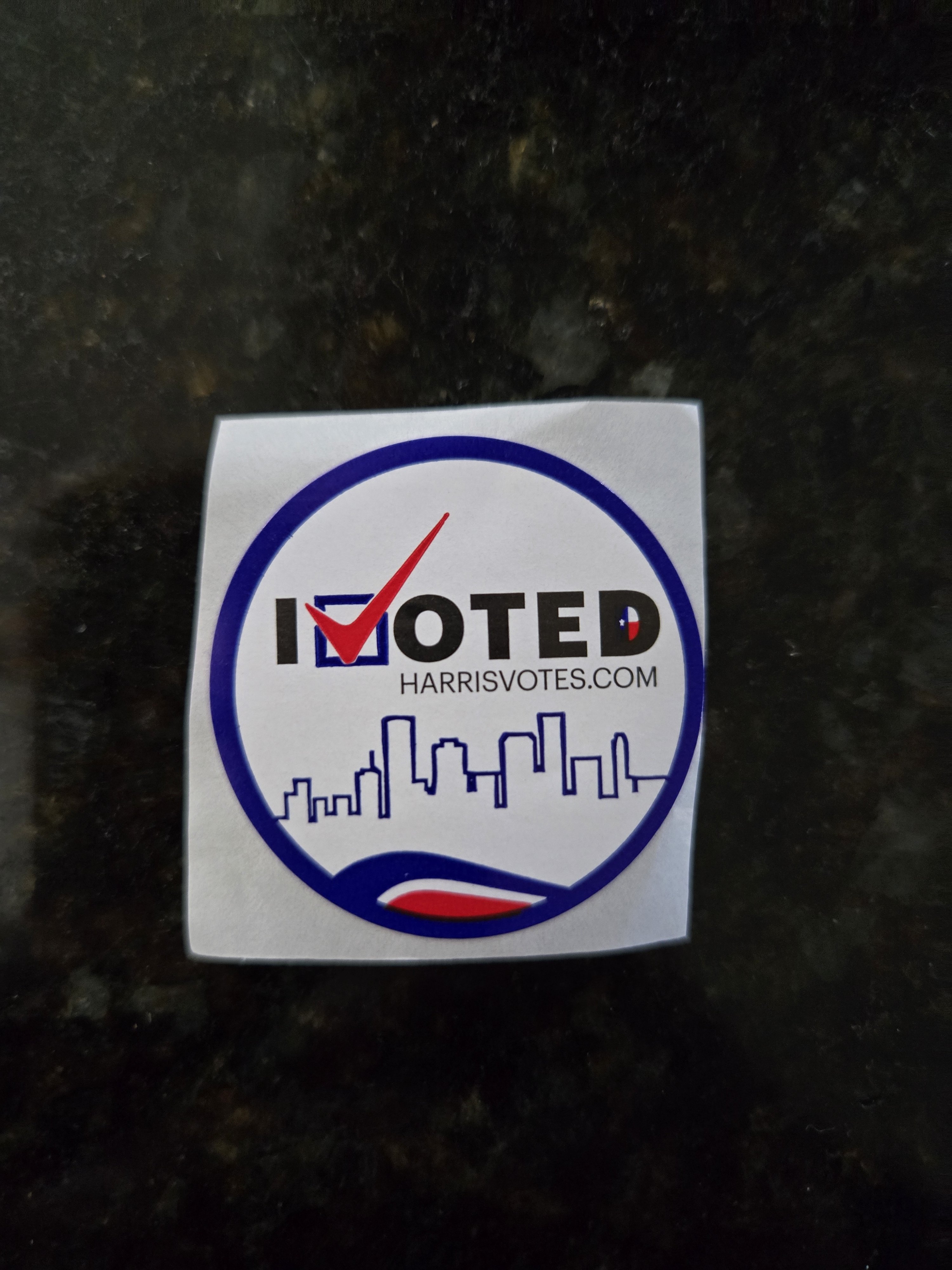
Got a #csb from voting just now. 2 people in front of me in line was a white man, probably in his mid 60s. He had an empty open carry holster on his belt. Between me and him was a black man probably mid 40s. As we get to the line after having our IDs checked, the white guy turns to the black guy and says “be sure to check your printed ballot, because the voting machines are changing people’s ballots.” The black man didn’t say anything, but I was standing right behind him shaking my head, and I said quietly “no”. The white guys says to me “you don’t think that is true?” And I said “I know it’s not true.” It was our turn to vote so we all moved on. But I was boiling. I finished voting before the white guy. I waited for him in the parking lot. He came walking out with his wife and another woman. I walked up to him and said “Sir, your comment to that man in line was wildly inappropriate. Undermining people’s faith in our elections WHILE STANDING IN LINE TO VOTE is totally out of line and unacceptable. It’s also unpatriotic.” He just stared back at me with his mouth agape. I gave him 2-3 seconds to respond, and when he didn’t, I just turned and walked away. And that’s the end of my cool starry bra. Not sure why that pissed me off so much but goddam im still mad about it.58 points
-
Waited another 4 years to vote against this motherfucking piece of shit and the worthless excuse for a Texan, who also happens to be the zodiac killer. In an out in 15 mins this morning in Houston. I'd strap on my gasoline boots and walk through hell vote against them. Fuck Trump Fuck Ted Cruz
 38 points
 -
37 points
-
FWIW, doesn't seem like you say this kind of shit if you think you're about to win.34 points
-
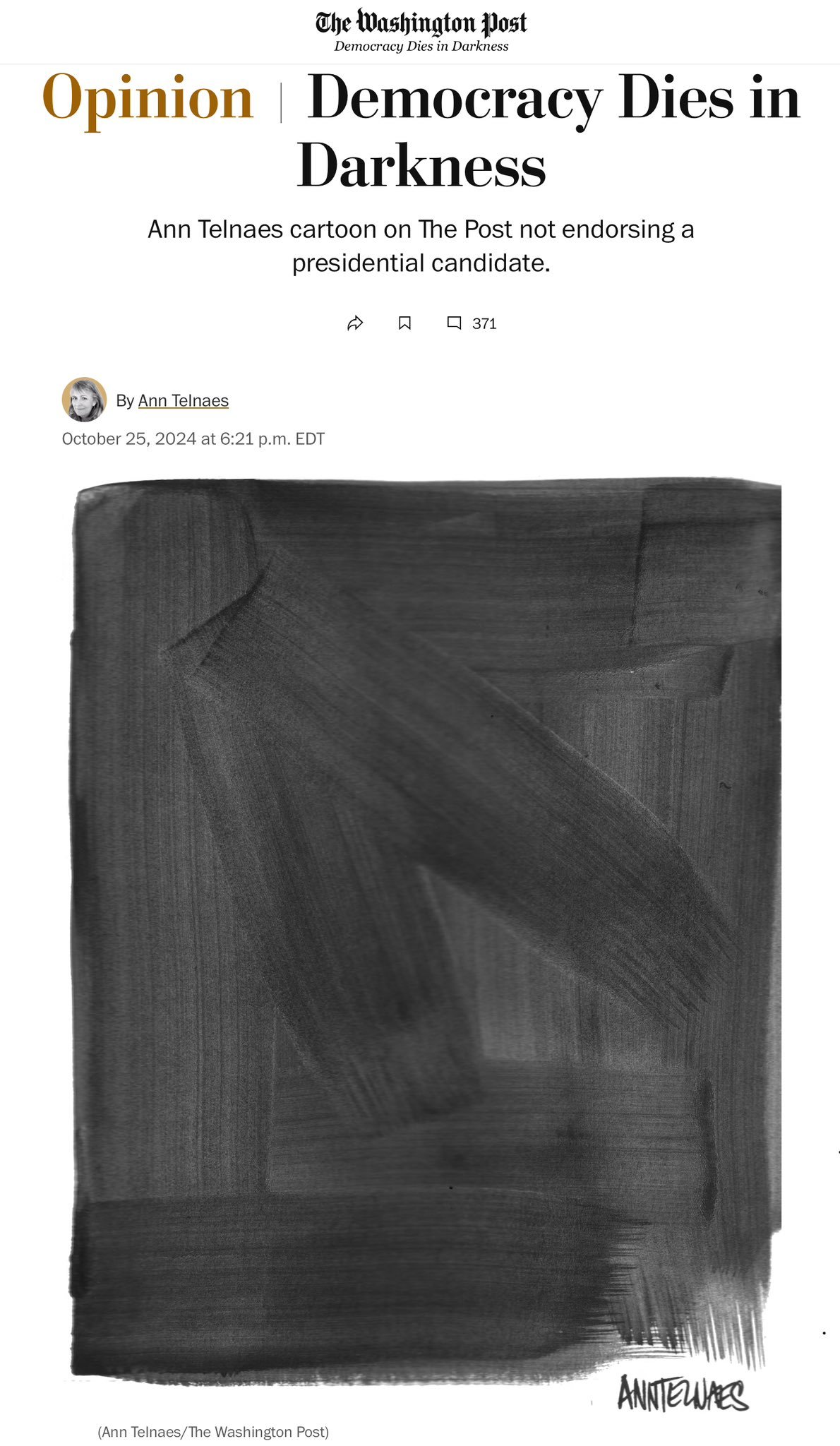
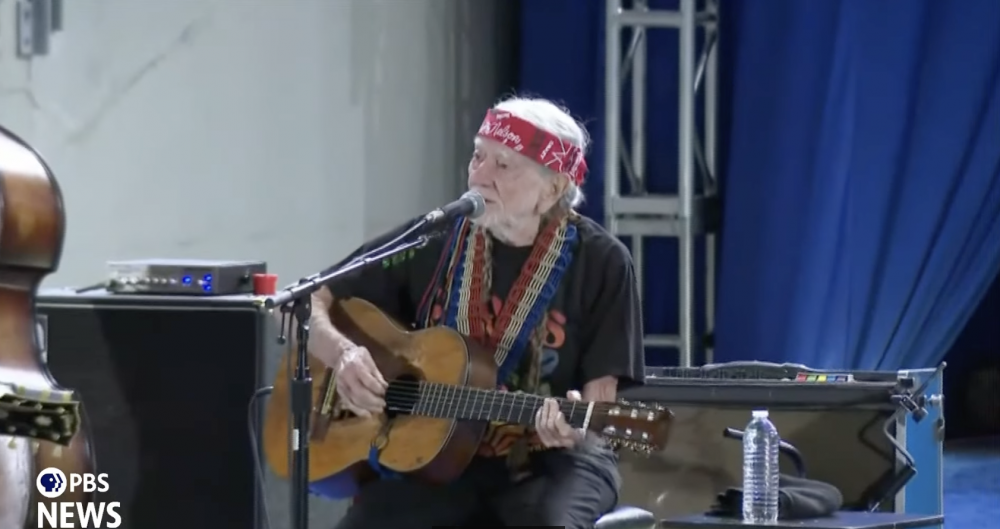
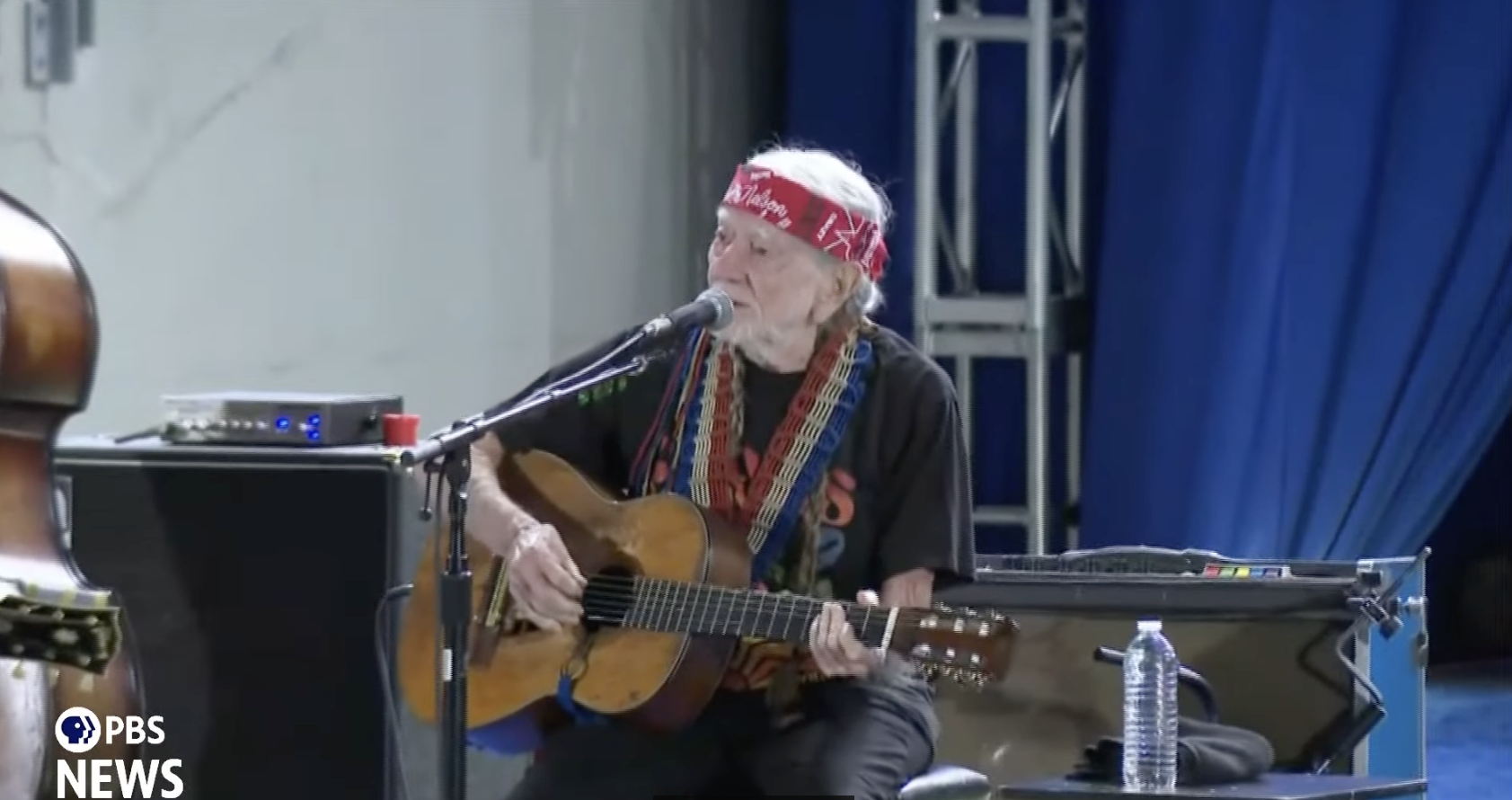
31 pointsElon Musk - Twitter, Tesla, SpaceX, Starlink $250B Jeff Bezos- Washington Post, Amazon, AWS $211B Mark Zuckerberg- Facebook, Instagram, WhatsApp $200B Sergey Brin - Google (Alphabet) YouTube $131B Micheal Bloomberg - Bloomberg News $106B Bill Gates - Microsoft, $106B Rupert Murdoch - FoxNews, WSJ $22B These seven combined are worth over a trillion dollars and collectively control most of the public information space. You cannot have a functioning Democracy with this shit. It’s too much concentration of power, they can rewrite history if they want and no government is going to stop them.28 points28 points28 pointsI got out and did my part. Voted for Kamala and against everything MAGA down the ticket.26 pointsah man. i was hoping for a totally different ending.24 pointsDear baby Jesus, please let Kamala win North Carolina, Georgia, and Arizona, so I won't have to hear a fucking word from my more outspoken family members from [checks notes] North Carolina, Georgia, and Arizona during Thanksgiving week.23 pointsHays County. Took 18 year old son to vote for the first time. Goddamn it felt good to cast a vote against Trump and Cruz.23 pointsme in my gold wear yesterday22 points21 pointsOver an hour wait in line but I put my "fuck you" to team Trump21 points20 points20 pointsAdd one more to the PA firewall for my wife.20 points20 points20 pointsAmazingly, you can watch film from the last Texas/Vanderbilt game from 1928. The game was played at Fair Park Stadium in Dallas and Texas lost. The next year, Texas started a new streak of annual games in Dallas against Oklahoma, which continues until this day. OU and Texas had played six times before in Dallas, but not every year. Here's the video, such as it is: And a picture of Fair Park Stadium, the predecessor to the Cotton Bowl:20 pointsFucking American treasure right there. God Bless Willie.
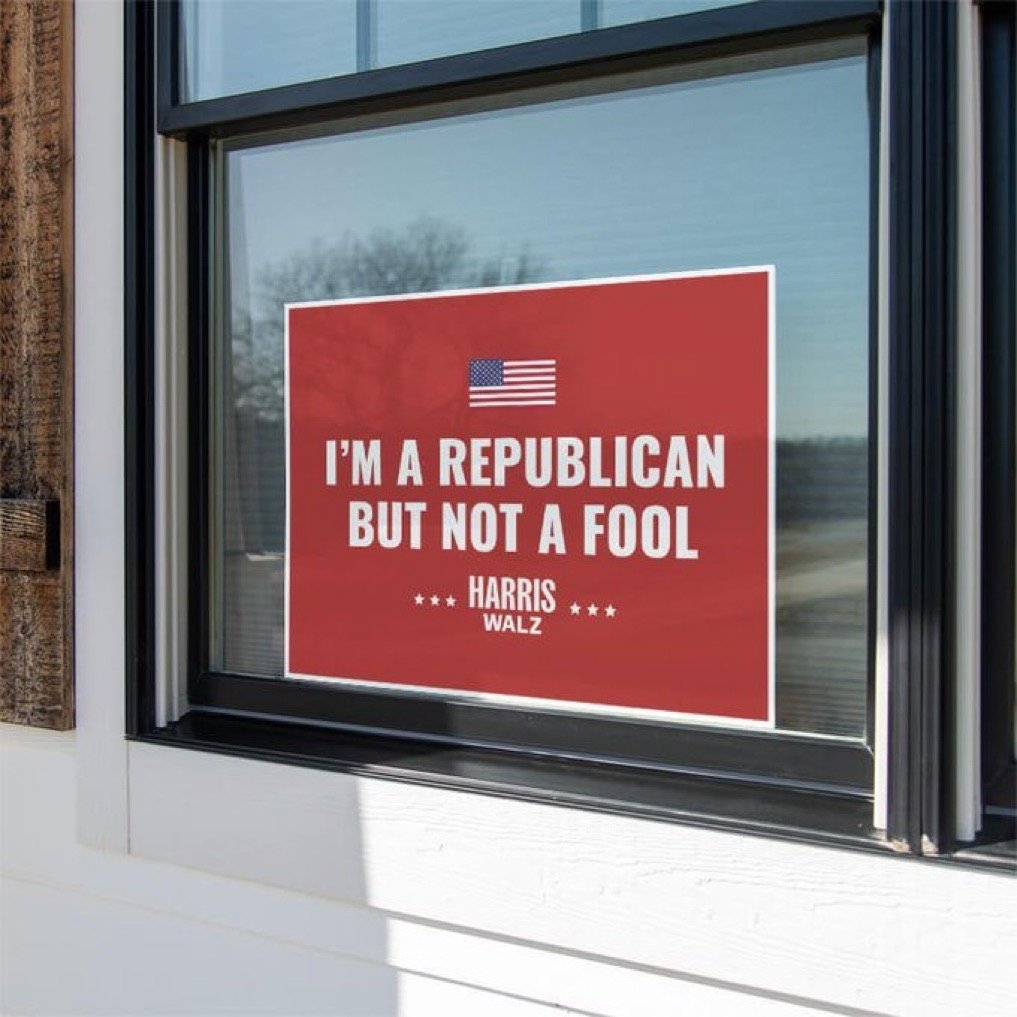
 19 points19 points19 points19 points19 pointsOf every battle that the United States engaged in during the Pacific War, this is the one that truly defined what courage in the face of not just overwhelming, but seemingly impossible odds to achieve even a modicum of success, looked like. I will spare most of the details as I would assume most everyone who studies World War II as a hobby, or like myself as part of a career that will span the rest of my life going forward, knows about this battle. What I do want to draw attention to is that at the outset of hostilities on December 7th, 1941, the high command of the Japanese forces almost universally believed that America did not have the stomach to take part in a war like this one. They thought the decadent Americans would not be able to engage in the all out warfare required in a fight like this. They did not believe that the national essence of the Americans was on the level of their own. THEY WERE WRONG ON EVERY COUNT. The American sailors aboard the Hoel, the Heermann, the Johnston and the Samuel B. Roberts, famously known as “The destroyer escort that fought like a battleship” got wind of a massive fleet headed their way that fateful morning. Captain Robert Copeland of the Samuel B. Roberts uttered perhaps the greatest phrase ever said by a US naval commander as they made the decision to engage the center force of the Imperial Japanese Navy. “A large Japanese fleet has been contacted. They are fifteen miles away and headed in our direction. They are believed to have four battleships, eight cruisers, and a number of destroyers. This will be a fight against overwhelming odds from which survival cannot be expected. We will do what damage we can.” The temerity to make that statement while knowing you are taking on the Yamato, the largest battleship ever constructed, a ship so large that it outweighed all of the ships of Taffy 3 by itself, is just stunning. It’s a wonder the Samuel B. Roberts hadn’t sank already considering all the excess weight of Copeland’s balls of steel. Commander Ernest Evans of the Johnston took his Tin Can straight into the belly of the IJN Center Force beast and blew the freaking bow off the heavy cruiser Kumano with a well aimed torpedo. He did not even wait for orders to enter the fray. He just did it. This caused a second cruiser to exit the battle to protect the Kumano. Evans was a Native American graduate of the Naval Academy and he said shortly before his ship left the west coast that it was a fighting ship and anyone who did not want to fight could leave. No one did. Evans and the crew of the Johnston fought like the hounds of hell that morning before finally being stopped dead in the water. Surviving sailors from the Johnston recalled the sailors aboard an IJN ship saluting them as they were floating in the open sea. Ernest Evans was never seen again. He would be posthumously awarded The Medal of Honor. That we do not have a statue of this man in every single state in the US is a travesty. I have no doubt he would have retired an admiral had he survived this encounter. His actions and those of his sailors, as well as those in the rest of Taffy 3, won perhaps the most improbable naval victory in history. Just sheer courage and a willingness to not back down won that morning’s brawl and saved an untold amount of lives in the invasion force on Leyte. This doesn’t even include the bravery of the pilots that flew as many as 20 dummy torpedo runs on the IJN Center Force just to shield their comrades from taking fire on the escort carriers that they took off from. Some would land on shore and reload and head back from Leyte to rejoin the fight. Good God the fight those men showed was just on a level I will never fully comprehend. Anytime I tell this story to people I have to at times just stop because it chokes me up a bit to recount the bravery and heroism on display 80 years ago today. None of us here will ever be in the position those men were in. They stepped in to save their fellow sailors on the escort carriers as well as the soldiers of the invasion force on Leyte under MacArthur’s command. They were what an actual hero looks like. Heroes are not those who compete in sports. Heroes are these men who would sacrifice their own life to save others. So many of those heroes went to the bottom of the ocean that morning. They would never return home to marry and start a family. They would never make it to old age. Many of them gave the last full measure of their life at a very young age 80 years ago today. If you have a Navy vet in your family or amongst your friends tell them thank you today. If you know a family member of one of the veterans of The Battle off Samar tell them they have not been forgotten. And also I know that the animosity towards Admiral Halsey has never completely died down for chasing the carriers and leaving things wide open for the IJN, but I look at it from a different angle. Bull Halsey chasing the decoy fleet allowed what transpired to happen. We owe a debt of gratitude to those men that we can never repay for that morning 80 years ago. I will tell and retell this story for as long as I live and can educate folks on what happened out there. Just a bunch of young men that took on a force they had no business fighting, but they did anyhow and they won because they didn’t know they weren’t supposed to be capable of what they did. Not bad for a bunch of comfortable Americans who would never withstand the rigors of warfare. Not bad at all.18 pointsJoe Walsh @WalshFreedom I’m going to keep beating this drum: For two months, I’ve been in the battleground states almost nonstop encouraging Republicans & Independents to vote for @KamalaHarris . And at every stop in every battleground state I hear from Republicans who tell me they’re voting for her, but they’re keeping quiet about it. I hear this everywhere I go. I just believe there’s a quiet groundswell of support for Kamala among Republicans that the polls just aren’t picking up.18 pointsI mailed my ballot today. Fuck Trump. Fuck Vance. Fuck the GQP. Also, fuck Eric Adams for trying to change the city charter to give even more power to the mayor.18 points18 pointsMy wife does theology work. The other day, I was working from home for part of the day. I was working on a pretty complex appellate brief, writing some good shit, feeling pretty smarty-pants. Then I realize that she's sitting across from me working with four different books open, preparing to teach on a text that she was reading in the original greek. She was getting frustrated because a word had two slightly different/nuanced translations, so she was looking at two different secondary sources on that word -- not on the whole text, just that word. I didn't feel as smarty-pants after that. I did think it was kinda hot, though.18 points17 points17 pointsDone. Fuck Trump. Fuck Vance. Fuck Cruz. Whole fam + 1 friend. Just got home from the church on Monterrey Oaks. 50 minutes from the time we got in line until we walked out the door.17 pointsEnough early electronic votes triggers a security software program that protects against election day voter fraud17 points16 pointsThere is something about going on Joe Rogan that feels beneath the office, unlike any of the other podcasts/interviews she's done. Probably because Rogan is a meathead fucking idiot.16 points16 points"Democracy dies in darkness."16 points16 pointsIt's a wall that stops fire16 pointsDid somebody post Jackson introducing Kamala?16 pointsOk I’m gonna let you in on a secret. No bro who listens to Rogan is undecided, nor will their minds be changed at this point in the race. A lightbulb isn’t going to suddenly go off in their head. Shit, I bet the majority of them aren’t even going to actually vote. She needs to spend the next 10 days getting her people out. Not chasing the mythical white bro vote15 pointsPerhaps a few more key people at the Post will summon their courage.
 15 pointsThis and the LA Times is nothing more than owners preemptively protecting themselves if DJT wins. It is a sign that our Constitution and social contract are at grave risk.15 pointsI don't know who Charlamagne Tha God is, but he just nailed the explanation of my own feelings about the news. Cooper, a very smart man, reveals exactly the problem that he is blind to. He was offended when his guest accurately pointed out what you hear on CNN. "I don't do that!" Cooper then announces his how they cover the news of Trump's fascism or whatever every night. "There may be people on our panels who have strong beliefs and say crazy things..." The panels are your network, Anderson. You have them on to say the things you won't report. Then, in your timidity and simple-mindedness, you recall Journ 101 where they told you to get both sides of an opinion. Trump's fascism is not an opinion. It's verifiable news that can be reported and discussed without the absurd proposition that someone who will deny a self-evident fact deserves some say. Is Kamala really Black? You can't make the editorial decision that she is and describe the background without making sure you have people arguing about it on a panel? Anderson has never looked more white in that clip. He was comfortable calling bullshit on his guest whom he then spoke over for several minutes. The woman tried to speak and he bowled her over, too. Anderson Cooper is a good man and smart. He's called out actual liars before. I hope he examines this exchange to realize he was wrong.15 pointsWhere's the spirit? Where's the guts, huh? Vanderbilt could be the greatest game of our lives, but you're gonna let it be the worst. “Ooh, we're afraid to cheer on the Longhorns, South Austin, we might be disappointed.” Well, just kiss my ass from now on! Not me! I'm not gonna take this! Pavia, he's a dead man! Stowers, dead! Lea, dead!!! From northwest Austin . . . TEXAS!!!
 14 points14 points14 pointsMany physicians I know are brilliant in a very concentrated field of knowledge, and painfully stupid in almost every other aspect of their lives.14 pointsI'm not going to lie. The shit coming out right now almost indicates that the fourth estate understands the stakes. My main issue is that these idiots are a week late. 10-15% of the people who will vote have already voted. As an eternal optimist I'd like to believe that this shit is timed as well as they can muster. But fuck them for not beating this drum constantly, day in and day out, for years. Seriously. Even if you're a classical liberal (what conservatism used to mean), you know that the nation can easily withstand a Kamala Harris presidency and still move toward your preferred end state. The ultra-nationalism and ethnocentrism (white nationalism) represented by Trump is a direct threat to American ideals. Fuck these pussies for waiting until T minus 12 days to start flooding the national narrative with this shit.14 pointsThis leaderboard is set to Chicago/GMT-06:00Football ... Basketball ... Baseball ... Other Sports ... Futbol ... 🤫995🤫 ... Gambling ... Movies & TV ... Music ... Hobbies ... Lulz ... Food & Travel ... Daily Texan ... Business & Markets ... Cloak Room ... Help ... For Sale ... Board Discussion ... Advertise... Tailgate Donations
Account
Search
Configure browser push notifications
Chrome (Android)
- Tap the lock icon next to the address bar.
- Tap Permissions → Notifications.
- Adjust your preference.
Chrome (Desktop)
- Click the padlock icon in the address bar.
- Select Site settings.
- Find Notifications and adjust your preference.
Safari (iOS 16.4+)
- Ensure the site is installed via Add to Home Screen.
- Open Settings App → Notifications.
- Find your app name and adjust your preference.
Safari (macOS)
- Go to Safari → Preferences.
- Click the Websites tab.
- Select Notifications in the sidebar.
- Find this website and adjust your preference.
Edge (Android)
- Tap the lock icon next to the address bar.
- Tap Permissions.
- Find Notifications and adjust your preference.
Edge (Desktop)
- Click the padlock icon in the address bar.
- Click Permissions for this site.
- Find Notifications and adjust your preference.
Firefox (Android)
- Go to Settings → Site permissions.
- Tap Notifications.
- Find this site in the list and adjust your preference.
Firefox (Desktop)
- Open Firefox Settings.
- Search for Notifications.
- Find this site in the list and adjust your preference.















.thumb.jpg.44809149b24651fee1b6f4106095c2f2.jpg)