Leaderboard
-

HenryJames
Burnt Ends61Points33191Posts -
Hank_Hill
Certifiably Surly59Points14517Posts -
Brisketexan
Legacy Members57Points56128Posts -
Js1
Certifiably Surly57Points78957Posts




Popular Content
Showing content with the highest reputation on 12/20/24 in Posts
-
36 pointsGreetings, my young friends. As promised, here an update on my night spent w/ some of our favorite Texas Longhorns! I was invited to cover a charity event. Raising Canes donated 100 bikes to the Austin Boys and Girls Club. Isaiah Bond partnered with Raising Canes and brought his boys: Tre Wisner, Gunnar Helm and Jahdae Barron! We had a grand time with some wonderful young people in need, press, carolers, volunteers, dinner, a youth football team and much more. The guys were so amazing and fun to talk to. They were so honored to interact w the kids. Isaiah spoke about his childhood, and how he could relate to children not having much of anything. As if that wasn't fun enough, I got each of them to sign my two Sacred Surly Horns Quinn Ewers footballs, so now we are a tribute to this wonderful 2024 team! As some of you know, I am gifting one of these sacred objects to Surly Horns and @immamac . How it is used will be determined later but part of me wants him to keep it for all he has done to create this wonderful community. Here are some pics. And yes, I am ugly and out of shape. I'm 65. Hook 'Em!!!36 points
-
24 pointsAnd making epic catches in the end zone against the moron goobers.23 points21 points18 points17 pointsYou lost interest just as the playoffs are starting? We get a 3 loss Clemson at home, Arizona State, then Oregon in Texas. What the fuck is wrong with you17 points16 points15 points15 pointsBeck is out as quarterback for the entire rest of the playoffs at Georgia. I love you guys 💕15 pointsWe’ve been talking about a 12-team playoff for years, and now it’s not only happening, but it’s happening in Austin!!! From northwest Austin, ready to kick the shit out of South Carolina aggy . . .
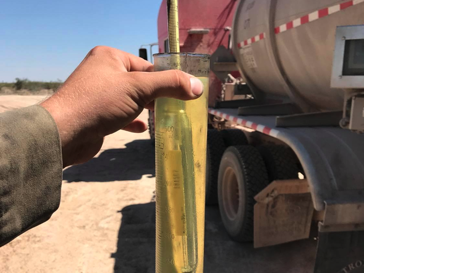
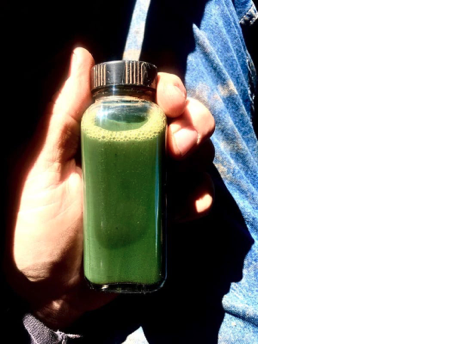
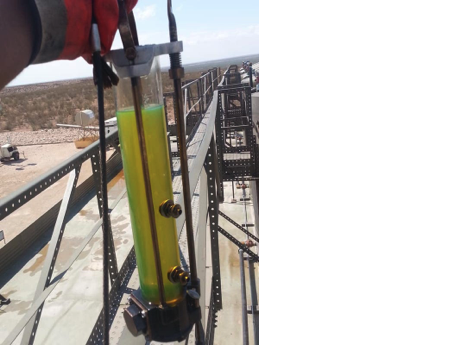
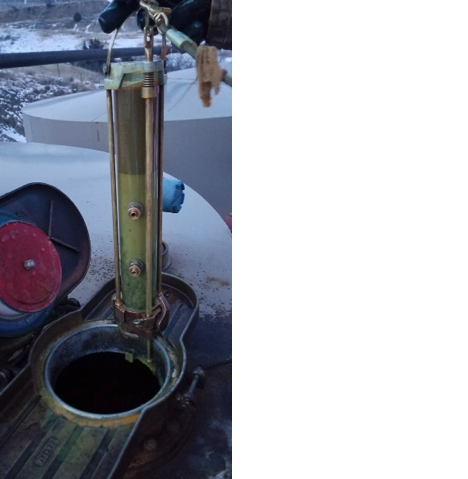
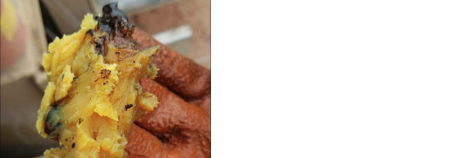
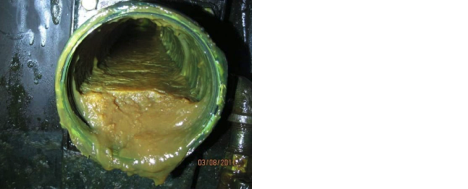
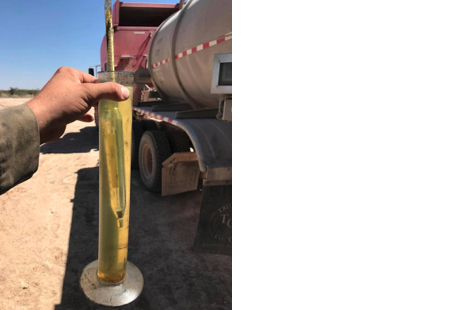
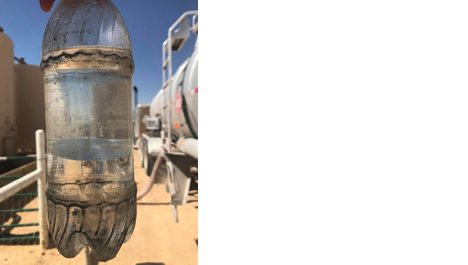
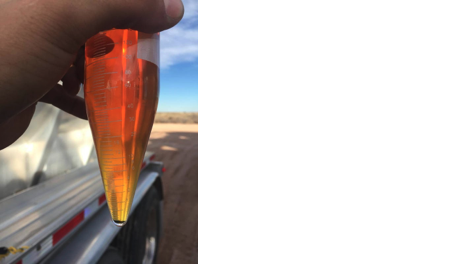
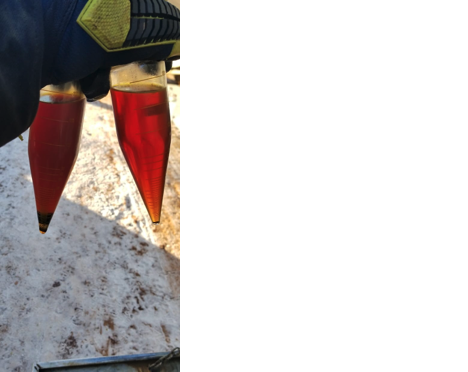
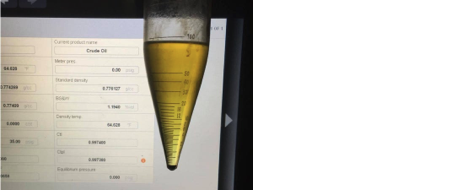
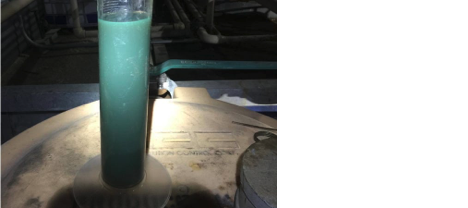
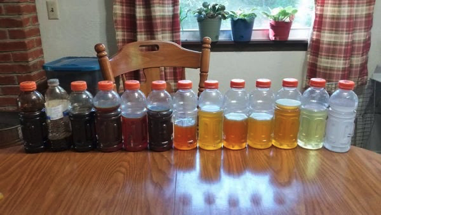
 14 points14 points14 points14 points13 points13 pointsThere is nothing remotely surprising about this second term for Trump. Who he is and what he plans to do was right there under everybody's noses in bright, clear sunlight. Ignorance is no defense. In my lifetime, there has never been an election that painted a clearer picture of the American electorate.13 points13 points12 pointsElon AND Pronghorn continue to lie? Color me shocked. There was a bipartisan stand-alone bill regarding that particular aspect of cancer research. Do you know what it did NOT include? That's right....appropriation/funding. Instead, it expressly DEFERRED on that to a further act of Congress (so....the exact continuing resolution we've all been discusssing) - see the full text of the referenced bill in its funding section: When in doubt, do NOT read what "Libs of TikTok" says. Read the actual bill text. Go ahead, read it. You won't find a funding appropriation in it. Elon Musk, and his mouthpieces like Pronghorn, lie. They do it without hesitation, without taking a breath in between the lies. It is their natural state of being.12 points11 pointsAstros accumulative 1b stats in 2024 was a 80 wRC+ and -1.9 WAR. Christian Walker’s 2024 stats was 119 wRC+ and a 3 WAR giving you a net gain of 4.9 WAR at the 1B position. Alex Bregman in 2024 was 118 wRC+ and a 4.1 WAR Isaac Parades in 2024 was 117 wRC+ and a 3.7 WAR giving you a net loss of -.4 WAR So you’re looking at a net gain of 4.5 WAR on the infield. Now go get an outfielder11 points10 points10 points10 points10 points10 pointsWe went to our local sushi joint last night. We know the whole family that owns it. We always sit at the bar to bullshit with them. They are from Hong Kong originally. Of course, they have Christmas music playing, and "Deck the Halls with Boughs of Holly" came on. In true A Christmas Story style Mrs, CHIEF belts out "fa ra ra ra, ra ra ra ra ra ra". I gave her a kick, should have seen the look on her face when she realized what she had just done. Our buddies from Hong Kong just died laughing as she desperately explained that it was from a movie, then they told her to be sure and drink her Ovaltine. CHIEF10 points10 pointsYour take irritates me because Dems (read Hillary) in the 90’s began raising the flag about healthcare costs being too high, and she was rewarded by Rush demonizing her 24/7. Obama and Joe got ACA in and spent much of their political capital doing so while the stupids watched foxnews as they demonized obamacare. Ted cruz built a career on his promise to overturn obamacare. ACA is the single most impactful legislation in my lifetime. Dems have blown so much political capital on healthcare while the stupids turn on foxnews, talk shit on obamacare, and sign up for ACA without an ounce of self awareness. The problem is the american populace is immeasurably stupid.10 points10 points10 points10 points10 pointsI respect your opinion, Mr. James. Those rumors about you were awful.10 points10 points10 pointsThe Farmers need to just pull themselves up by their boot straps and get jobs. (This one is almost as glorious as the Dearborn Caucus.)10 pointsIt is cold as fuck. I can barely get my fingers or phone to work. Need to put my gloves back on so the beer and the cold don't freeze my fingers. I am heading in the stadium soon. The players walk from Mass to the stadium in the dark in the midst of college gameday and all the fans was unlike anything I've experienced here in 20 years of attending games. See y'all on the other side and hopefully see you gents on January 20. Go Irish and Hook Em! FUCK IU.9 points9 points9 points9 points9 pointsHere is an image of the crude oil from them Russian oil spill in the Kerch Strait. The link above shows them cleaning in up, 1 shovel at a time. This is some nasty ass crude oil. The only salvation, I think, is it washed up on the Russia coast, not on Crimea. The "oil" behind the recent boom in the Permian Basin is a very light condensate, that is on the limit of "crude oil". A lot of the oil produced is so light that there are penalties that reduce the price of the oil received. Unfortunately, most of this light oil/heavy condensate is not a good fit for the US refineries that were "modernized" in the 80's-90's to be able to refine the heavier crude oil imported from Mexico and other countries. While the US is "self sufficient" in oil production, we export the lighter crude produced in the Permian and continue to import heavier crude, primarily from Canada and Mexico. Here is an article that shows the some of the different grades of crude oil produced in the US. Business Insider What crude oil looks like 14 surprising and bizarre photos from oilfield workers reveal what crude oil actually looks like when it comes out of the ground Business Insider Benji Jones Apr 8, 2020, 11:42 AM CDT Dozens of oil and gas workers shared their photos of crude oil, and they make "black gold" seem like a misnomer. - Tony Hemen • If there's one substance that drives the global economy, it's oil — and oil has had a chaotic couple of months. • The coronavirus pandemic has cratered fuel demand, while at the same time Saudi Arabia has boosted supply. • These forces have sent the price into a tailspin and driven companies to bankruptcies, layoffs, and spending cuts. • While oil is at the epicenter of energy news, there's little focus on the substance itself. • Business Insider asked dozens of oilfield workers to share their photos. They reveal that crude oil comes in all different colors and consistencies. The success of many of the world's corporate giants, which are worth hundreds of billions in market value, depends on a single substance that formed from the ancient remains of algae and plants — oil. A fossil fuel, oil is one of the planet's largest economic drivers. And in case you missed it, it's had a rocky couple of months. The coronavirus pandemic has cratered demand for fuel, while at the same time Saudi Arabia has boosted supply. Together, these forces have sent the price of oil into a tailspin, forcing companies to file for bankruptcy, lay off workers, and cut spending by billions. All of this is, thanks to just one commodity, which often feels intangible. You hear about oil as a price, or in industry revenue. But what does it actually look like when it comes out of the ground? Business Insider reached out to dozens of US oil and gas workers on Facebook and asked them to share their photos of crude oil. The images reveal that crude oil comes in all kinds of colors and consistencies. And that the classic image of oil as a thick, black, tar-like substance is often pretty far from what wells pump out of the ground — at least in the US. Some oil looks like green juice, like this bottle from the Bakken oilfield in North Dakota. - Casey Jones The ratio of different hydrocarbon molecules and other substances such as sulfur determines the color of crude, according to Foued Badrouchi, a doctoral student in the department of petroleum engineering at the University of North Dakota. The oil's relative density, known as specific gravity, also affects the color, he said. "Crude is different colors when it first comes out of the ground," George Brackett, a member of a Bakken oil and gas Facebook discussion group, wrote on Facebook. "Bakken crude is a green color." Lighter, or less-dense, crude tends to be more greenish-brown, another member wrote. Here's some more greenish crude in a container called a "thief." - Ramiro Martinez This crude from West Texas has a low specific gravity, said Ramiro Martinez, another group member, who shared the photo. That's why the liquid is almost translucent. Oil workers use containers like these to test the oil's relative density, temperature, and other properties before it goes into a pipeline. Sediment can build up in the oil storage tank, which you can see here. - Ted Farni "When transporting the oil from the well to the pipeline by truck, we need to test the oil to make sure it's good quality," Ted Farni, an oil buyer, wrote on Facebook. "We use tools to get samples and test temperature and gravity." In this photo, the lighter-green at the bottom of the thief is sediment. Here's another green smoothie from North Dakota. - Chad Craver The tool sticking out measures the oil's specific gravity. Crude can also be thick and waxy, like this oil from Utah. - Rich Sorenson Junior Crude oil that has a high proportion of paraffin — a type of hydrocarbon — is thick and waxy, especially at low temperatures. This is an example of a heavier crude with a much higher relative density or higher specific gravity. "It causes huge problems for us," Badrouchi said. "It's like wax. The oil with a lot of paraffins is so heavy it can clog the well." To transport waxy oil, you have to keep it hot. This crude is from Roosevelt, Utah - Micah Tobias Barker "All the crude out there is completely saturated with wax to the point that all the tanks are insulated and the oil has to be kept hot to transport," he wrote on Facebook. "We aren't allowed to load it unless it's between 140-180 degrees Fahrenheit." 'This is good, clean oil, but high paraffin' Here's some more waxy oil, this time from Montana. - Steven Unterseher "Some of the older wells around Killdeer [North Dakota] had so much paraffin in the oil that if you didn't get it off your truck in time in winter you were stuck with basically a candle inside the tank," Steven Unterseher, an oil worker who moderates the Bakken oilfield discussion group, wrote on Facebook. Other crude is yellowish, like this one from West Texas... This crude is much lighter, which is why it looks nearly transparent. - Tony Hemen "Light crude oil contains a large amount of liquid natural gas," Badrouchi said. Liquid natural gas is essentially natural gas — namely, methane — that's been cooled down or pressurized into a liquid form. ...or even clear, such as this bottle, also from West Texas. The bottom is water and the top is oil. - Tony Hemen Crude oil can take on an orange color, too. - Tony Hemen When you see crude in a container like this it indicates that it's been mixed with a solvent and spun in a centrifuge. That allows you to see how much water and sediment the oil contains — in this case, there's a bit of each at the lower tip. Water can "accumulate and freeze pipes eventually down the line," Farni said. "Also, if the oil is 2% water or dirt the buyer wants a discount. In volume, it adds up." Or it can even look red. - Ted Farni "Some of the oil south of the [Missouri River] is this magnificent fluorescent red-orange-yellow-green, all at the same time," Farni said. "It's weird and I'm not sure why other than just the location." This is another light oil that's been spun in a centrifuge. - Tony Hemen Again, you can see a small amount of sediment at the lower tip. This turquoise crude comes from a natural gas plant in Midland, Texas. - Tony Hemen Badrouchi says that some natural gas is "wet," meaning that it has a lot of condensation. The condensation is high-gravity crude oil, he said. "This is very high quality because it's very light," he said. Even from just two days of hauling oil, you can see a whole range of colors. - Tony Hemen "Crude oil is actually some pretty interesting stuff," Rich Sorenson Junior, who's also part of the oilfield group, wrote on Facebook. "I just wish people understood it better and how crucial it is to life as we know it."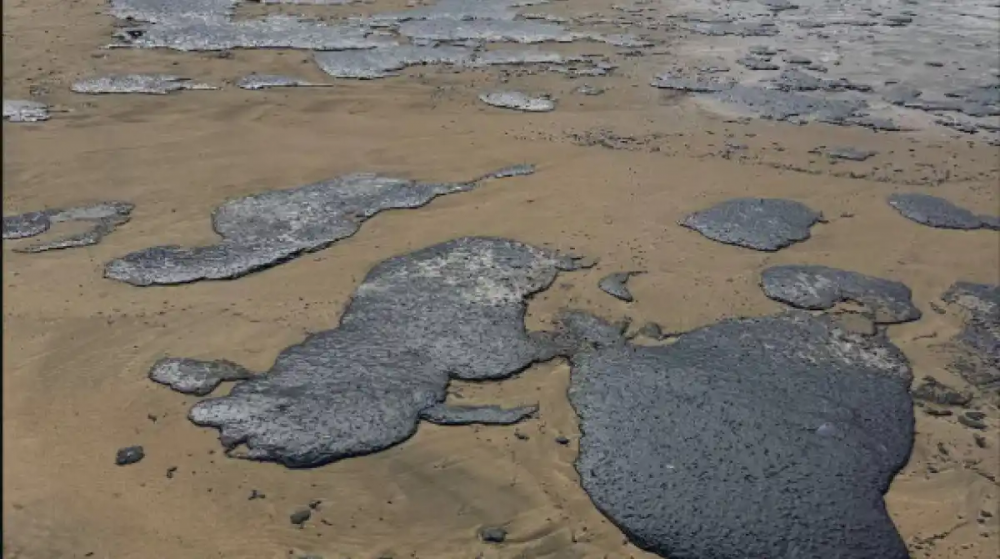


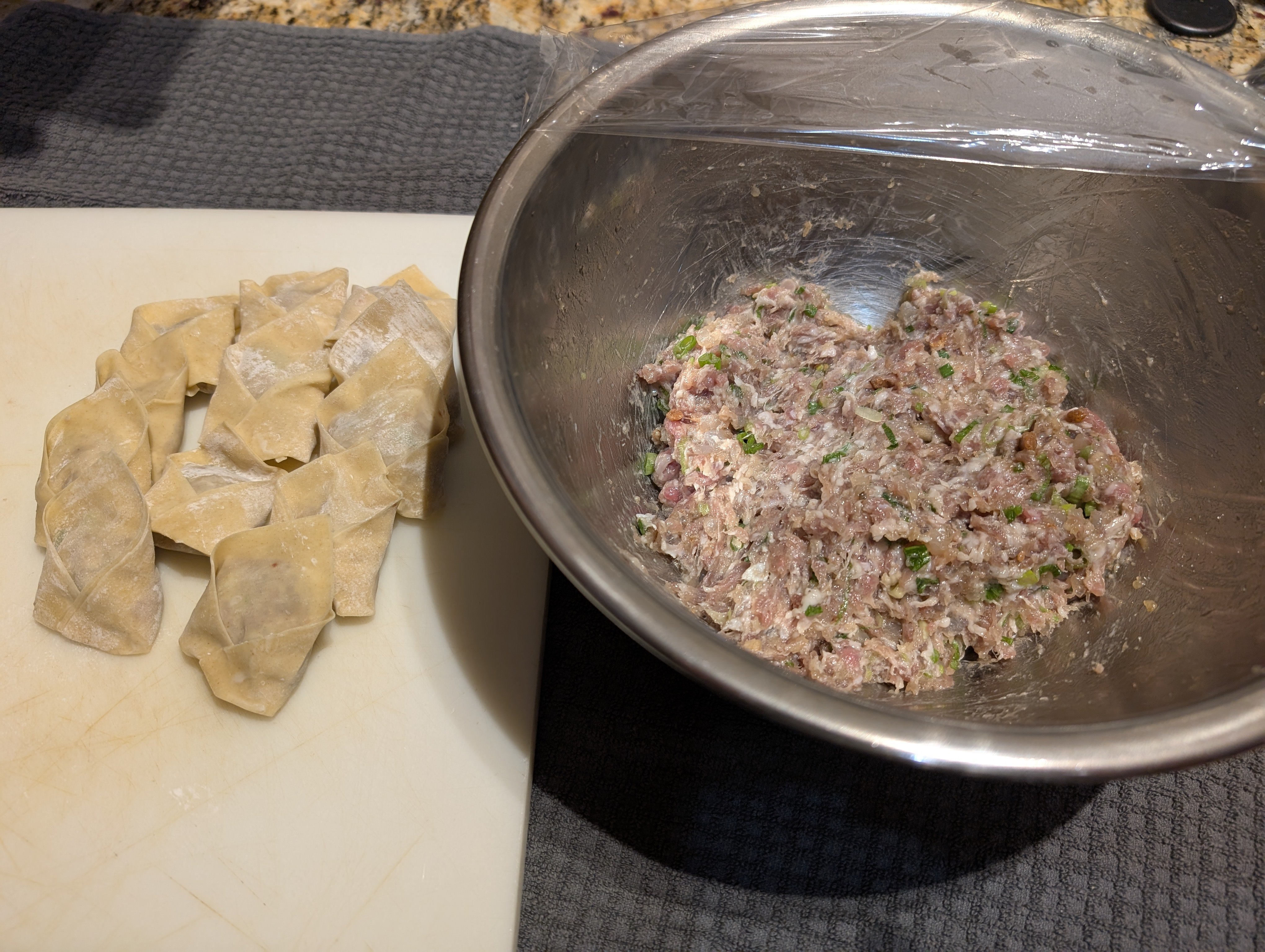
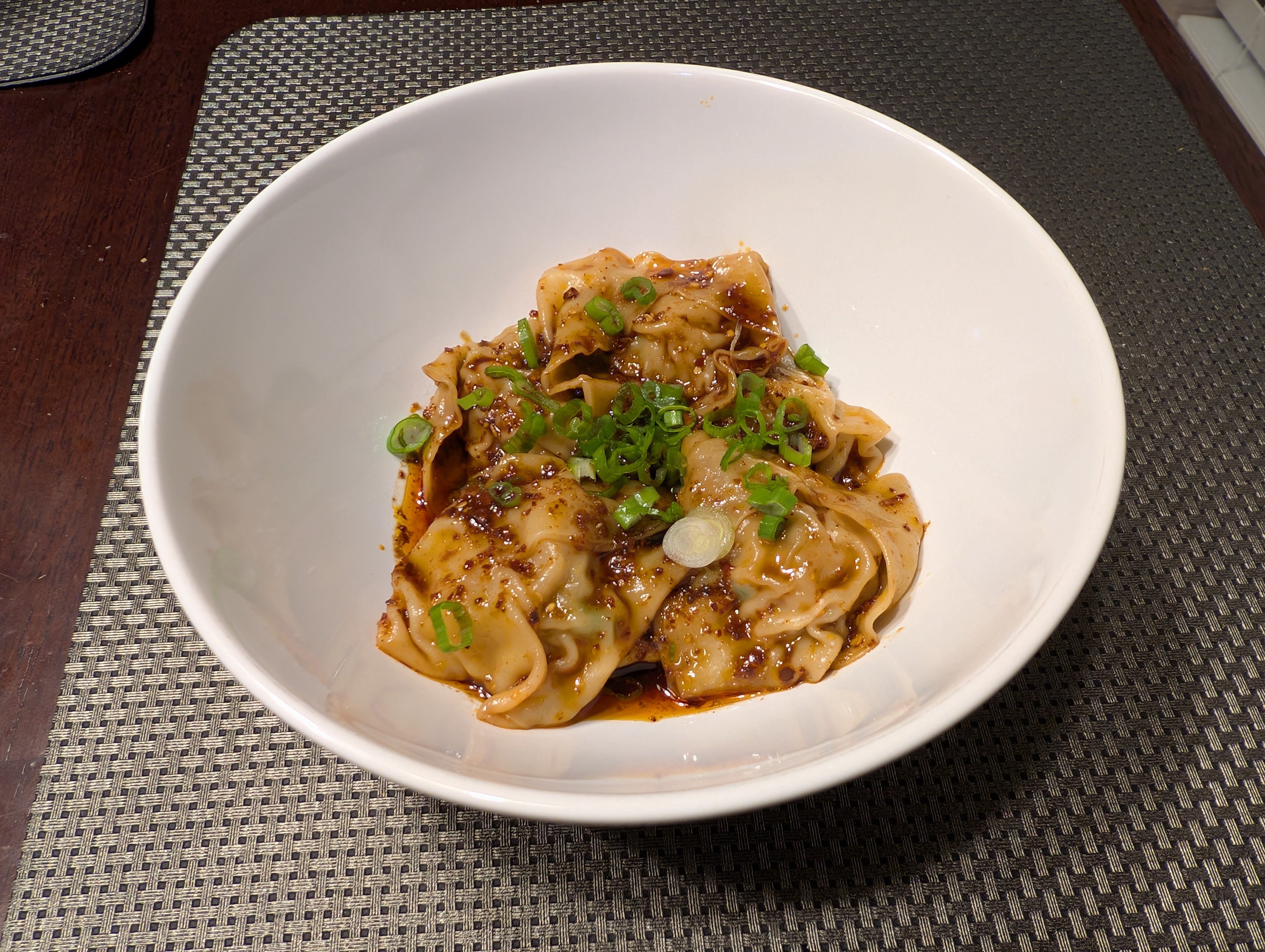
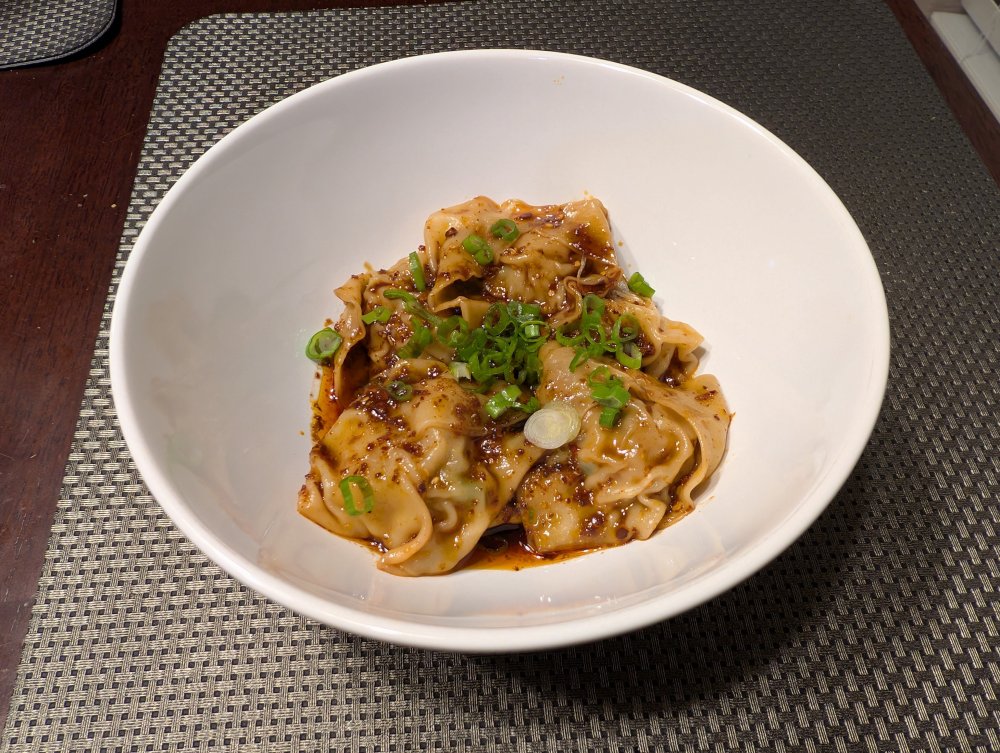
 9 pointsFrom my kitchen chalkboard where I’m ready to watch Dabo go Clemsoning in our house! TEXAS!9 points9 points9 pointsWordle 1,280 3/6 🟨⬛🟩⬛⬛ ⬛🟩🟩🟩🟩 🟩🟩🟩🟩🟩 🙂 Daily Quordle 1061 5️⃣4️⃣ 6️⃣7️⃣ m-w.com/games/quordle/ ⬜⬜🟨⬜🟨 ⬜⬜🟨⬜🟩 ⬜⬜⬜🟨⬜ ⬜⬜⬜🟩⬜ ⬜⬜⬜🟨⬜ ⬜⬜⬜⬜🟨 🟨🟨⬜🟨⬜ 🟩🟩🟩🟩🟩 🟩🟩🟩🟩🟩 ⬛⬛⬛⬛⬛ ⬜⬜⬜⬜⬜ ⬜🟨⬜⬜🟩 ⬜⬜⬜🟩🟨 ⬜⬜🟨⬜⬜ ⬜⬜🟨⬜⬜ ⬜⬜🟩⬜⬜ ⬜⬜⬜🟩⬜ ⬜⬜⬜⬜🟩 ⬜⬜⬜⬜🟨 ⬜🟨⬜⬜⬜ 🟩🟩🟩🟩🟩 ⬜🟨⬜⬜⬜ ⬛⬛⬛⬛⬛ 🟩🟩🟩🟩🟩9 pointsWordle 1,280 4/6* [emoji834][emoji834][emoji834][emoji834][emoji834] [emoji834][emoji834]🟨🟨[emoji834] [emoji834]🟩🟩🟩🟩 🟩🟩🟩🟩🟩 Connections Puzzle #558 🟦🟦🟦🟦 🟨🟨🟨🟨 🟩🟩🟩🟩 🟪🟪🟪🟪9 pointsWordle 1,280 4/6 🟨⬜⬜🟩⬜ 🟨⬜⬜⬜⬜ ⬜🟨🟨🟩⬜ 🟩🟩🟩🟩🟩 #Worldle #1064 (20.12.2024) 2/6 (100%) 🟩🟩🟩🟩🟨➡️ 🟩🟩🟩🟩🟩🎉 🧭⭐🚩📜🛡️👫🪙 https://worldle.teuteuf.fr 🙂 Daily Quordle 1061 4️⃣5️⃣ 🟥7️⃣ m-w.com/games/quordle/ 🟨⬜⬜⬜🟨 🟨⬜⬜⬜🟩 🟨⬜🟩⬜⬜ 🟨⬜⬜⬜⬜ 🟩🟨🟩🟨🟩 ⬜🟩⬜🟨🟨 🟩🟩🟩🟩🟩 ⬜🟨⬜🟨🟨 ⬛⬛⬛⬛⬛ 🟩🟩🟩🟩🟩 ⬜⬜⬜⬜⬜ ⬜⬜⬜⬜🟩 🟨🟩⬜⬜🟩 ⬜🟨⬜🟩⬜ ⬜⬜⬜⬜🟨 ⬜⬜⬜🟨⬜ ⬜⬜⬜⬜🟨 ⬜🟨⬜⬜⬜ ⬜⬜⬜🟩⬜ ⬜⬜⬜⬜🟩 ⬜🟩🟩🟩🟩 ⬜🟨⬜⬜⬜ ⬜⬜🟨⬜⬜ 🟩🟩🟩🟩🟩 ⬜🟩🟩🟩🟩 ⬛⬛⬛⬛⬛ ⬜🟩🟩🟩🟩 ⬛⬛⬛⬛⬛ #travle #737 +0 (Perfect) ✅✅✅✅✅✅✅ https://travle.earth Connections Puzzle #558 🟦🟦🟦🟦 🟨🟨🟨🟨 🟩🟩🟩🟩 🟪🟪🟪🟪9 pointsPay attention to that name - Vought. That’s Russ Vought, the incoming head of OMB. He’s very smart, competent, and practical. He knows how the government works and what strings to pull. He’s the policy brain of Project 2025 at Heritage and a true-believer, a self identified Christian Nationalist, and the guy I am most worried about. When the GOP manages to pull themselves together well enough to do real damage over the next four years, he will usually be at the center of it.9 pointsDumbass farmers just need to go learn how to code and stop asking for the government to hand them everything9 points9 pointsWordle 1,280 3/6 🟨🟩🟩⬛⬛ ⬛🟩🟩🟩⬛ 🟩🟩🟩🟩🟩 Connections Puzzle #558 🟨🟨🟨🟨 🟩🟩🟩🟩 🟦🟦🟦🟦 🟪🟪🟪🟪 🙂 Daily Quordle 1061 5️⃣9️⃣ 7️⃣6️⃣ m-w.com/games/quordle/ ⬜⬜🟨⬜⬜ ⬜⬜🟨⬜⬜ ⬜🟨⬜🟨🟨 ⬜🟨⬜⬜🟩 ⬜⬜⬜🟨⬜ ⬜⬜⬜⬜⬜ 🟩🟨🟩🟨🟩 ⬜🟩⬜🟨🟨 🟩🟩🟩🟩🟩 ⬜🟨⬜🟨🟨 ⬛⬛⬛⬛⬛ ⬜⬜⬜⬜🟩 ⬛⬛⬛⬛⬛ ⬜⬜⬜🟩⬜ ⬛⬛⬛⬛⬛ 🟨🟩⬜🟩🟩 ⬛⬛⬛⬛⬛ 🟩🟩🟩🟩🟩 ⬜⬜⬜🟨⬜ ⬜🟨⬜🟨⬜ ⬜🟨⬜⬜⬜ ⬜⬜⬜⬜🟩 🟩⬜⬜⬜🟩 ⬜🟩⬜⬜⬜ ⬜⬜⬜⬜🟨 ⬜⬜⬜🟨⬜ ⬜⬜⬜⬜🟨 ⬜🟨⬜⬜⬜ ⬜⬜🟨⬜⬜ 🟩🟩🟩🟩🟩 🟩🟩🟩🟩🟩 ⬛⬛⬛⬛⬛9 points8 pointsOff for the holidays starting today so I decided to do some cooking....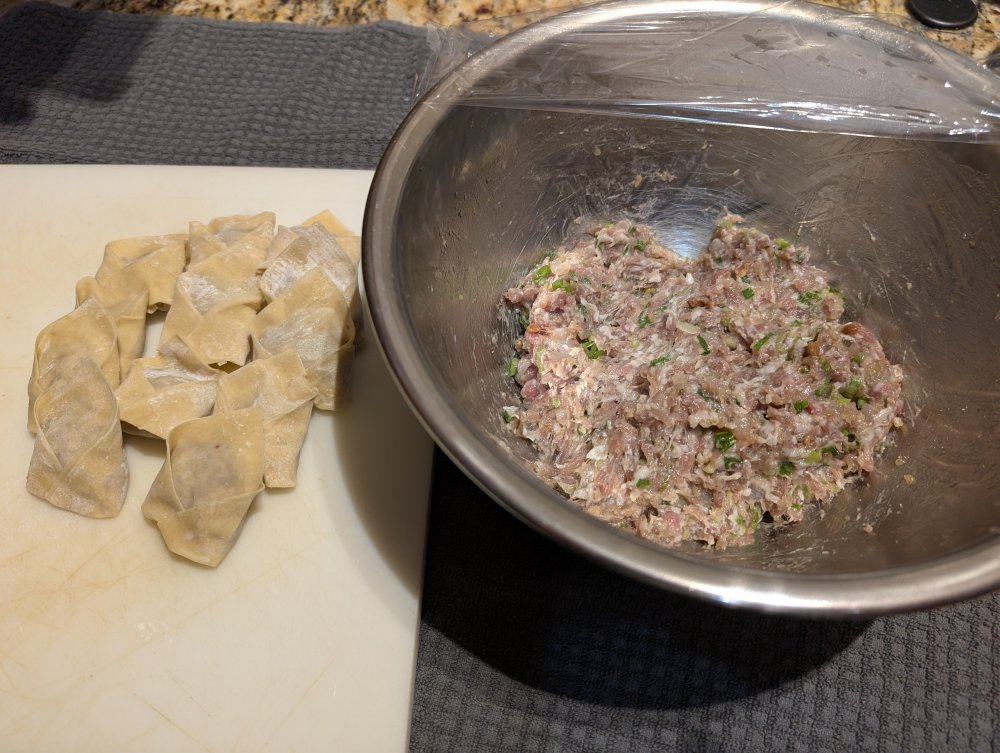
 8 points8 pointsThe argument is that the Astros should have kept Morton, Cole, Correa, Springer, extended Tucker, extended Bregman, extended Framber, and signed Juan Soto and Shohei Ohtani in free agency.8 points8 pointsWere you so fucked up during the Tim Purpura era that you’ve just blacked him out of your mind?8 points8 pointsI'd be disappointed to see Niblett leave. I'd understand, but be disappointed.8 points8 pointsWordle 1,280 3/6 🟨⬜🟩⬜⬜ ⬜🟩🟩🟩🟩 🟩🟩🟩🟩🟩 🙂 Daily Quordle 1061 4️⃣8️⃣ 5️⃣7️⃣ m-w.com/games/quordle/ ⬜⬜⬜🟨⬜ ⬜⬜⬜⬜⬜ 🟨🟨⬜🟨⬜ 🟨🟩⬜🟨⬜ 🟩⬜⬜⬜⬜ ⬜⬜⬜⬜⬜ 🟩🟩🟩🟩🟩 ⬜🟨⬜🟨🟨 ⬛⬛⬛⬛⬛ ⬜⬜⬜🟩⬜ ⬛⬛⬛⬛⬛ ⬜🟩⬜🟩🟩 ⬛⬛⬛⬛⬛ ⬜⬜⬜⬜🟩 ⬛⬛⬛⬛⬛ 🟩🟩🟩🟩🟩 ⬜⬜⬜⬜🟨 ⬜⬜🟨⬜⬜ 🟨⬜⬜⬜⬜ ⬜⬜🟨🟨⬜ ⬜🟩⬜⬜🟩 ⬜🟨⬜⬜⬜ ⬜⬜⬜⬜🟨 ⬜🟨⬜⬜⬜ 🟩🟩🟩🟩🟩 ⬜🟨⬜⬜⬜ ⬛⬛⬛⬛⬛ ⬜⬜⬜⬜🟩 ⬛⬛⬛⬛⬛ 🟩🟩🟩🟩🟩8 pointsSchools none of you could afford to send your kids to thread not going away8 pointsThis leaderboard is set to Chicago/GMT-06:00Football ... Basketball ... Baseball ... Other Sports ... Futbol ... 🤫995🤫 ... Gambling ... Movies & TV ... Music ... Hobbies ... Lulz ... Food & Travel ... Daily Texan ... Business & Markets ... Cloak Room ... Help ... For Sale ... Board Discussion ... Advertise... Tailgate Donations
Account
Search
Configure browser push notifications
Chrome (Android)
- Tap the lock icon next to the address bar.
- Tap Permissions → Notifications.
- Adjust your preference.
Chrome (Desktop)
- Click the padlock icon in the address bar.
- Select Site settings.
- Find Notifications and adjust your preference.
Safari (iOS 16.4+)
- Ensure the site is installed via Add to Home Screen.
- Open Settings App → Notifications.
- Find your app name and adjust your preference.
Safari (macOS)
- Go to Safari → Preferences.
- Click the Websites tab.
- Select Notifications in the sidebar.
- Find this website and adjust your preference.
Edge (Android)
- Tap the lock icon next to the address bar.
- Tap Permissions.
- Find Notifications and adjust your preference.
Edge (Desktop)
- Click the padlock icon in the address bar.
- Click Permissions for this site.
- Find Notifications and adjust your preference.
Firefox (Android)
- Go to Settings → Site permissions.
- Tap Notifications.
- Find this site in the list and adjust your preference.
Firefox (Desktop)
- Open Firefox Settings.
- Search for Notifications.
- Find this site in the list and adjust your preference.


























_svg.thumb.png.a7d5ed34a047ef110eb510ec79502591.png)