Leaderboard
-

Brisketexan
Legacy Members128Points56128Posts -

HenryJames
Burnt Ends83Points33191Posts -
Hank Kingsley
Full Members73Points11527Posts -

atomheartbevo
Certifiably Surly71Points63425Posts



Popular Content
Showing content with the highest reputation on 11/10/25 in Posts
-
I want to look that fat visor wearing shithole Kirby Smart straight in the eye, and I want to tell him what a cheap, lying, no-good, rotten, four-flushing, low-life, snake-licking, dirt-eating, inbred, overstuffed, ignorant, blood-sucking, dog-kissing, brainless, dickless, hopeless, heartless, fat-ass, bug-eyed, stiff-legged, spotty-lipped, worm-headed sack of monkey shit he is! Hallelujah! Holy shit! Where's the Tylenol? We're all in this together. This is a full-blown, four-alarm break glass in case emergency playoff situation right here. We're gonna press on, and we're gonna have the hap, hap, happiest beat down of Georgia since Bevo terrorized UGA and had him tap-dancing like Danny fucking Kaye. And when Kirby smart squeezes his fat white big ass head in that fucking visor on Saturday, he's gonna find the jolliest bunch of UT asshole fans this side of the nuthouse.37 points
-
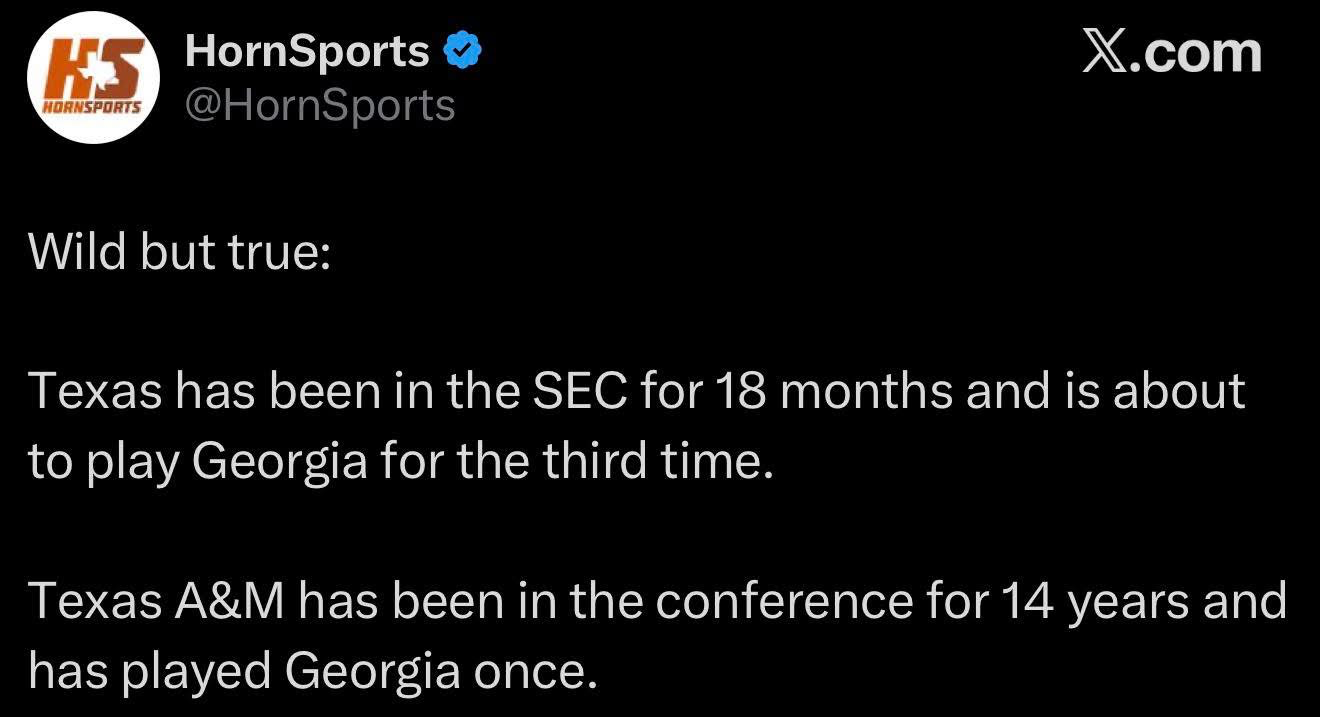
21 points21 points19 points19 pointsIf the Dems had held out for two more weeks of bad travel, and the repubs abolishing the filibuster, which they eventually would have done, then this would have been a victory. Instead it's just a waste of everyone's fucking time.17 pointsNobody should give a fuck about politics when US citizens are being kidnapped by masked federal agents and held without ability to call attorneys or families, and sometimes intentionally moved to a different jurisdiction to defeat a habeas filing. The admin engages in unconstitutional and illegal activities on the daily, and you and these 8 senators think talking points about healthcare is somehow an accomplishment? GTFO- that’s stupid17 points16 points16 points16 points16 pointsYour “reasonable chance” was always still 0% your cunt15 pointsThe details are absolutely meaningless. The Dems bent the knee to Trump and lost. The end.14 points13 pointsThe horror. Come the fuck on. We all watched it in real time. He absolutely encouraged it and the BBC is being feckless.13 points12 pointsThe bigger issue is 100 senators where: 5 states have populations under 1m Another 7 with pops between 1 and 2m. Another 5 with pops between 2 and 3m 17 states have entirely too much power. 54% of the country lives in 10 states (CA, TX, FL, NY, IL, PA, OH, GA. NC & MI. All of those states have 10m or more in pop. Those ten states have less collective power than 17 states with less than 3m people. There are 12 metro areas/cities those ten states with more people than the combined pops of the smallest 5. I'd be in favor of redrawing some state lines. AK and HI would be the outliers and im not sure how you'd handled them but there sure as fuck should be two Dakotas, WV, WY, etc. That's the real redistricting.12 points12 points11 pointsHis dementia is 25th Amendment worthy, but he's always been so goddamn stupid you have no baseline to compare to.11 pointsThe U.S. has the most costly healthcare system in the world. Private insurers employ vast numbers of people for marketing, billing, claims denial, and provider negotiations. Providers (hospitals, doctors) also have massive billing departments to deal with hundreds of different insurers, each with its own rules, codes, and forms. A single-payer system simplifies this enormously. There is one payer, one set of rules, one claims form. Estimates are that M4A could reduce administrative costs by $150-$500 billion annually. This savings alone could fund coverage for all the uninsured. Galvani, A. P., Parpia, A. S., Foster, E. M., Singer, B. H., & Fitzpatrick, M. C. (2020). Improving the prognosis of health care in the USA. The Lancet, 395(10223), 524-533. DOI: https://doi.org/10.1016/S0140-6736(19)33019-3 Pollin, R., Heintz, J., Arno, P., Wicks-Lim, J., & Ash, M. (2018). Economic Analysis of Medicare for All. Political Economy Research Institute (PERI), University of Massachusetts Amherst. https://peri.umass.edu/publication/item/1127-economic-analysis-of-medicare-for-all Woolhandler, S., & Himmelstein, D. U. (2017). Single-Payer Reform: The Only Way to Fulfill the President's Pledge of More Coverage, Better Benefits, and Lower Costs. Annals of Internal Medicine, 166(8), 587-588. DOI: https://doi.org/10.7326/M17-0302 As the sole payer for nearly 330 million people, the federal government would have monopsony power (sole purchasers) and could negotiate lower prices for prescription drugs, hospital services, and medical equipment, similar to how the VA and current Medicare get lower prices than private insurers. This is the single biggest source of cost containment. A huge amount of resources in the private insurance market is spent on "risk selection” (figuring out how to avoid sick people and attract healthy ones). This is economic waste that does not contribute to actual healthcare. By covering everyone in a single, national risk pool, this entire layer of inefficiency disappears. The system's goal shifts from profit and risk avoidance to health outcomes. Coverage is tied to employment for most, creating "job lock" (people staying in a job for the insurance) and administrative churn as people switch plans when they change job. With a single payer system, coverage is lifelong, universal, and portable, regardless of employment status. This reduces administrative friction and improves continuity of care.11 points11 pointsWhen Maggie Hassan was asked what the consequences would be if the republicans renege on the promise to hold the ACA vote, and her answer was, "shame on them," that's how you know the party cannot be fixed.11 pointsMaking the GOP abolish the filibuster to push through harmful and unpopular legislation would've been a win. But too many Dem senators still want to preserve the filibuster, so they didn't really have any achievable goals.11 points11 pointsAt some point, it seems that a sitting President who uses the civil justice system should waive immunity, at least from civil suits. If the sonofabitch has time to write dirty letters and sue, he can sure as fuck be sued.11 pointsWe've tried nothing and we're all out of ideas.11 points10 pointsWell the good news is you’ll have SO much more leverage as an individual to negotiate prices than you would if you did it collectively with millions of others.10 points10 points10 points10 pointsThe whole season can turn on this one game. If Texas wins it, everything opens up for them. Not optimistic but at least we got this deep in the season with this kind of opportunity.10 pointsShe blocked me on Twitter when I said that it looks like the boob job is holding up well. I was trying to give her a compliment.10 pointsMy problem with the filibuster is it's all upside for the Republicans, all downside for the Democrats. 1. It functionally protects the American electorate from their terrible decision making. Elect a bunch of neo-fascists? Don't worry, the democrats will keep them from re-establishing segregation. Fuck that. Elections should have consequences in this country. And don't whinge to me about protecting the vulnerable. The Supreme Court has been hammering them with a lexington steele dildo for years. 2. The main exception to it allows for the cutting of taxes. Which benefits the Republicans. Think about it. Whenever they grabe the President, House, Senate trifecta, we all get a giant tax cut. Sure, I guess Biden passed an infrastructure bill, but it took so long, was so incompetent in it's PR, that his administration failed to implement the fucking thing and the progressive priorities in it have been repealed or suspended. But elect Republicans to Congress, and you will always get your taxes cut. Nothing in our government works because we are drifting in the fumes of the Great Society. Imagine if Congress could actually fucking fix shit instead of just cut taxes and nothing else? Might change the perception of Democrats as pathetic limp dicks? 3. It's and accident of history. Aaron Burr didn't understand Robert's Rules and eliminated the motion to move the previous question. The VP who eventually attempted to start another fucking country and killed Alexander Hamilton. Everything about that piece of shit anachronism is bad.10 points10 pointsDo people on here really give a shit where tired-ass GameDay goes? Are you actually getting up, after a late night before, and going out there early morning to watch the McAfee clown show? I give absolutely zero fucks whether those guys are there or not...I just want to beat these obnoxious barking whiners. UGA fan has become pretty insufferable.10 points10 points@Rip76, I included that. I think the big point here, if I'm not mistaken, is a head of state choosing to sue a foreign newspaper. Period. Petty and embarrassing. No. I'm not used to it.10 pointsWordle 1,605 5/6* 🟨⬜⬜⬜⬜ ⬜⬜⬜🟨🟨 ⬜🟩⬜🟨🟩 🟩🟩⬜⬜🟩 🟩🟩🟩🟩🟩 🙂 Daily Quordle 1386 7️⃣🟥 5️⃣8️⃣ m-w.com/games/quordle/ ⬜⬜⬜⬜⬜ ⬜🟨⬜⬜🟨 🟨🟩⬜⬜⬜ ⬜⬜⬜⬜⬜ ⬜⬜🟨⬜⬜ ⬜⬜⬜⬜⬜ ⬜⬜⬜🟩🟨 ⬜⬜⬜⬜⬜ ⬜⬜⬜🟨⬜ ⬜⬜⬜⬜⬜ ⬜🟩🟩🟩🟩 ⬜⬜⬜⬜⬜ 🟩🟩🟩🟩🟩 ⬜⬜⬜⬜⬜ ⬛⬛⬛⬛⬛ ⬜🟨⬜🟩⬜ ⬛⬛⬛⬛⬛ 🟩⬜🟩🟩⬜ 🟨⬜⬜⬜⬜ 🟨🟩⬜⬜🟨 ⬜🟨🟨🟨⬜ ⬜⬜⬜⬜⬜ 🟩🟨🟨🟨⬜ ⬜🟨⬜⬜⬜ 🟩🟩🟨⬜🟨 ⬜⬜🟨⬜⬜ 🟩🟩🟩🟩🟩 ⬜⬜⬜⬜🟩 ⬛⬛⬛⬛⬛ ⬜⬜⬜⬜⬜ ⬛⬛⬛⬛⬛ ⬜⬜⬜⬜⬜ ⬛⬛⬛⬛⬛ 🟩🟩🟩🟩🟩10 pointsPerforming poorly on the Monday morning puzzles should earn you a mulligan that allows you to go back to bed and hit the reset button on the week. Wordle 1,605 6/6 ⬛⬛🟨🟨⬛ ⬛🟩🟨⬛⬛ ⬛🟩⬛⬛🟨 🟩🟩⬛⬛🟩 🟩🟩⬛⬛🟩 🟩🟩🟩🟩🟩 Connections Puzzle #883 🟦🟨🟨🟨 🟩🟩🟩🟩 🟨🟨🟨🟨 🟦🟦🟦🟦 🟪🟪🟪🟪 🙂 Daily Quordle 1386 7️⃣8️⃣ 4️⃣5️⃣ m-w.com/games/quordle/ ⬜⬜⬜⬜⬜ ⬜⬜🟨⬜⬜ ⬜⬜🟨⬜⬜ ⬜⬜⬜🟨🟨 ⬜⬜⬜⬜🟩 ⬜⬜⬜⬜⬜ ⬜⬜⬜🟨⬜ ⬜⬜⬜⬜⬜ ⬜⬜⬜⬜⬜ ⬜🟨⬜🟩⬜ 🟩🟩⬜⬜🟩 ⬜⬜⬜⬜⬜ 🟩🟩🟩🟩🟩 ⬜⬜⬜⬜⬜ ⬛⬛⬛⬛⬛ 🟩🟩🟩🟩🟩 ⬜🟨⬜⬜🟩 ⬜⬜🟨⬜🟩 ⬜⬜🟨⬜⬜ 🟩⬜⬜⬜🟨 ⬜🟩🟩⬜⬜ ⬜⬜⬜🟨⬜ 🟩🟩🟩🟩🟩 ⬜⬜⬜⬜🟩 ⬛⬛⬛⬛⬛ 🟩🟩🟩🟩🟩10 pointsWordle 1,605 5/6* ⬛🟨🟨⬛⬛ ⬛🟩⬛⬛🟨 🟩🟩⬛⬛🟩 🟩🟩⬛⬛🟩 🟩🟩🟩🟩🟩 Connections Puzzle #883 🟦🟦🟦🟦 🟪🟪🟪🟪 🟨🟨🟨🟨 🟩🟩🟩🟩10 points10 pointsIt's a goddamn shame we never got to the point where you could simply just pay for the channels you wanted and not have to subsidize 90% of shit only 10% of people watch.10 points9 points9 pointsAnd don't forget, Rs are working really hard to get your medical debt put back on your credit report.9 pointsThey let you have Internet access at the ahuasca retreat?9 pointsRepublicans voted for ACA subsidies when they were first implemented in 2020, it wasn't a huge stretch to think they'd vote for them again if they felt political pressure to do so. Frankly, I thought it was an insufficient ask when this shutdown started because any sensible Republican party would've just said "ok fine" then claimed credit for passing a bill to lower healthcare costs. Their ideological hatred of poor people and/or Trump's refusal to ever admit defeat led the GOP to some really really fucking stupid behavior in response to what was a pretty aimless Dem shutdown. Basically, Dems played a bad hand poorly but the GOP played a better hand much worse, and they somehow ended up in a draw. Then, the Dems inexplicably folded after the river was dealt and the GOP had shown their hand.9 pointsThey were fine with it until the polls started showing people were hanging it on Republicans. So seeing that fear, the Dems decided that it was time for them to fold while they had a winning hand.9 points9 pointsSaw this tweet and it made me think of this thread. Haven't seen any updates in a while. Guess Moose is in the final stages of prepping for winter.9 points9 pointsThey got guaranteed SNAP benefits that go to mostly MAGA voters that will never vote for them, blame them for the delay in benefits, praise Trump for saving them, and don’t pay enough attention to realize that Dems were the reason they get to eat.9 points9 points9 pointsMy probably very unpopular take is, if we can't beat the top teams of our conference we don't deserve to be in the playoffs. For the record, I hold that to be true of Texas because I hold it to he true of every team. Beat the teams in front of us. That's what needs to happen.9 points9 points9 pointsWordle 1,605 4/6* ⬛⬛🟨⬛⬛ 🟨🟨⬛⬛🟨 🟨🟩🟨⬛🟩 🟩🟩🟩🟩🟩 Connections Puzzle #883 🟩🟩🟩🟩 🟨🟨🟨🟨 🟪🟪🟪🟪 🟦🟦🟦🟦9 points9 pointsWordle 1,605 3/6 ⬛🟩🟨⬛⬛ 🟩🟩⬛⬛🟩 🟩🟩🟩🟩🟩 🙂 Daily Quordle 1386 7️⃣6️⃣ 4️⃣5️⃣ m-w.com/games/quordle/ ⬜⬜⬜⬜⬜ ⬜⬜🟨⬜🟨 ⬜⬜⬜⬜⬜ ⬜⬜⬜🟨⬜ ⬜🟩⬜⬜⬜ ⬜⬜⬜⬜⬜ ⬜⬜⬜🟨⬜ ⬜⬜⬜⬜⬜ ⬜⬜⬜⬜⬜ ⬜🟨⬜🟩⬜ ⬜⬜⬜⬜⬜ 🟩🟩🟩🟩🟩 🟩🟩🟩🟩🟩 ⬛⬛⬛⬛⬛ ⬜🟨⬜🟨⬜ ⬜⬜🟨🟨🟨 ⬜⬜⬜⬜⬜ 🟩⬜⬜⬜⬜ 🟨🟨🟨⬜⬜ ⬜⬜⬜⬜⬜ 🟩🟩🟩🟩🟩 ⬜⬜⬜⬜🟩 ⬛⬛⬛⬛⬛ 🟩🟩🟩🟩🟩9 points9 pointsBeatcha all the money I have that the PE group has plans for an innovative AI-driven gambling platform that will revolutionize the business. You know, by exploiting the synergies between creators and end users via a dynamic system utilizing best practices in compliance, sustainability, and risk management.9 pointsFuck this. It was MY goal. You achieve such goals by fighting to the fucking death. Cowards are unable to do that. The American people get fucked. Again. On repeat. The Dems are goddamned Pvt. Downey over there shrieking about how "we did nothing wrong!" The fuck you didn't, you limpdick fucking losers who have no stomach for a fight for a cause that fucking matters. Pvt. Dawson put it straight: We. The fucking. PEOPLE. First three words of the motherfucking Constitution. All of you fuckers work for us. Except, you fucking don't. You fucking betray your oath, your country, and your people, every day as easily as you fucking breathe. Whether you're the sadistic executioner (GQP) or the milquetoast enabler (Dem), the outcome is the same. You live in comfort and increasing wealth, while the people get fucked and squeezed even harder. The American people need to order and perform a metric shit ton of Code Reds.8 pointsThis leaderboard is set to Chicago/GMT-06:00Football ... Basketball ... Baseball ... Other Sports ... Futbol ... 🤫995🤫 ... Gambling ... Movies & TV ... Music ... Hobbies ... Lulz ... Food & Travel ... Daily Texan ... Business & Markets ... Cloak Room ... Help ... For Sale ... Board Discussion ... Advertise... Tailgate Donations
Account
Search
Configure browser push notifications
Chrome (Android)
- Tap the lock icon next to the address bar.
- Tap Permissions → Notifications.
- Adjust your preference.
Chrome (Desktop)
- Click the padlock icon in the address bar.
- Select Site settings.
- Find Notifications and adjust your preference.
Safari (iOS 16.4+)
- Ensure the site is installed via Add to Home Screen.
- Open Settings App → Notifications.
- Find your app name and adjust your preference.
Safari (macOS)
- Go to Safari → Preferences.
- Click the Websites tab.
- Select Notifications in the sidebar.
- Find this website and adjust your preference.
Edge (Android)
- Tap the lock icon next to the address bar.
- Tap Permissions.
- Find Notifications and adjust your preference.
Edge (Desktop)
- Click the padlock icon in the address bar.
- Click Permissions for this site.
- Find Notifications and adjust your preference.
Firefox (Android)
- Go to Settings → Site permissions.
- Tap Notifications.
- Find this site in the list and adjust your preference.
Firefox (Desktop)
- Open Firefox Settings.
- Search for Notifications.
- Find this site in the list and adjust your preference.