

4th and 5
Legacy Members
-
Joined
-
Last visited
Everything posted by 4th and 5
-
 I received this light yesterday. Really bright beam and the green laser is awesome.
 -
I prefer purple Cherokee but could not find any at the $1.50 price point I buy tomato plants at
-
24 celebrity in the ground for round

-
-
neighbor scenario is self defense, of which castle doctrine is a part that may or may not apply
-
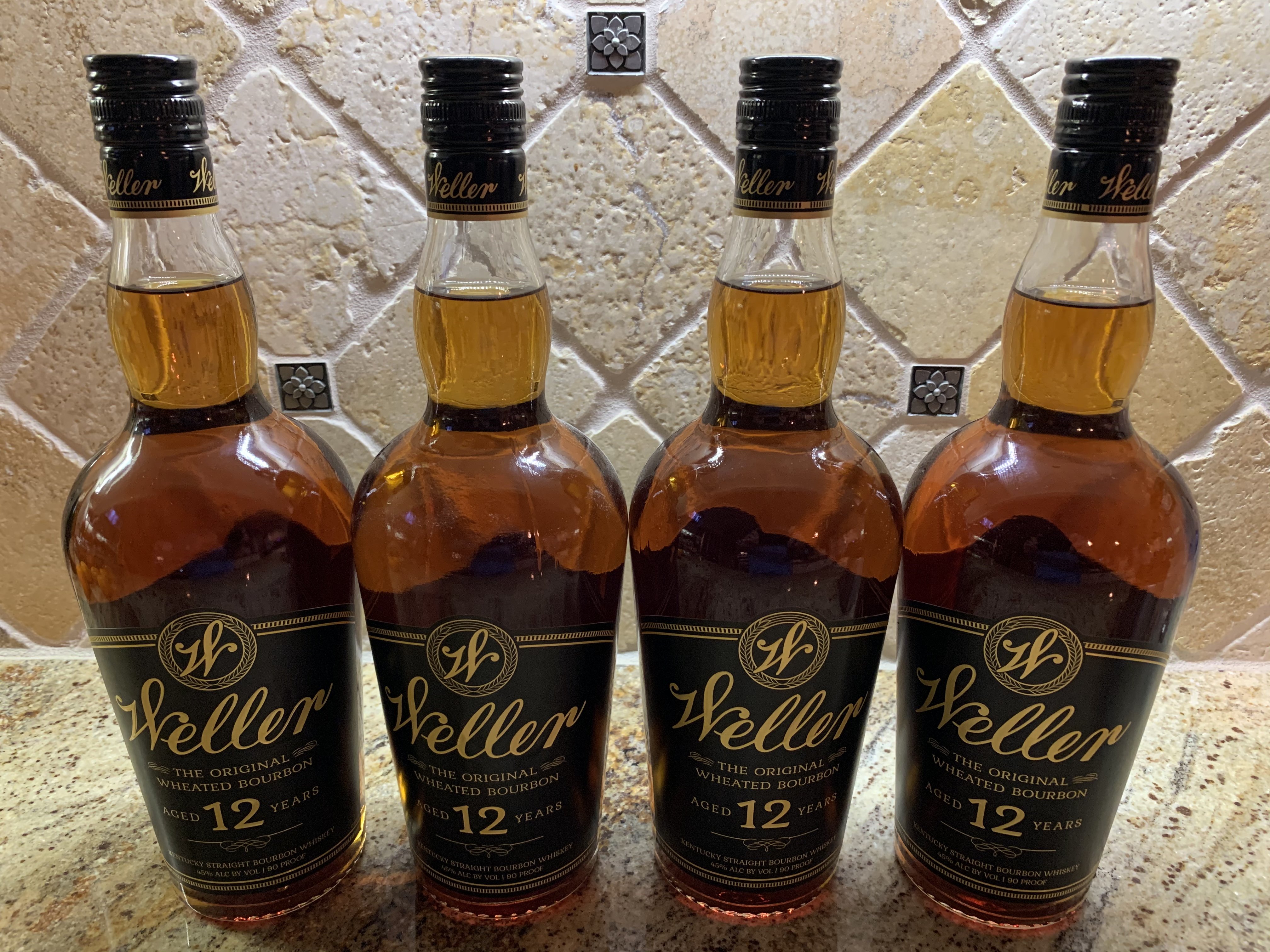
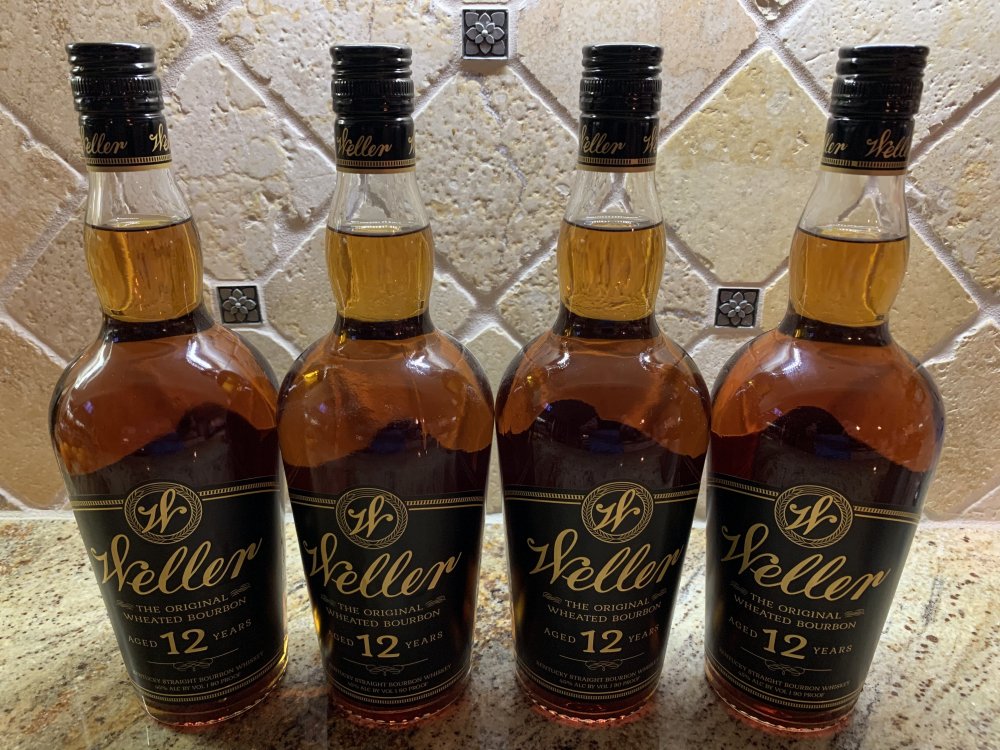
will trade multiple W12s for single BTACs, PM if interested
-
That brief is a loser. Factual sufficiency is a loser. Charge error is a loser. That's not the way mistake of fact works. Her mistake(s) of fact are embodied in the defense of self defense (or defense of property). I've already explained how mistake of fact works above. Self defense law contemplates that a person may not be right about the facts, they just have to be reasonable in their belief. Example: Husband comes home from trip two days early to surprise his wife, plane is late, gets home late, he enters home, she freaks out not expecting him and she blows him away. Mistaken but reasonable belief. Good shoot. It works the same way for defense of others. Two knuckleheads are staging a fake aggravated robbery to post on Youtube. CHL holder approaches and blows robber away. Mistaken but reasonable belief. Good shoot. I hear a noise in my garage at 200am, I enter the garage and shoot a shadowy figure. It is my neighbor who just wanted to borrow a screwdriver. Mistaken but reasonable belief. Good shoot. Actually I came about 2 pounds of trigger pull from killing my neighbor once, he got so fucked up he almost got his ticket punched. I posted the story on TOS.
-
-
I ordered the https://www.olightstore.com/baldr-pro.html which should pair nicely with my P226, G22 or G30. Looks like this has great reviews on Youtube and Amazon.
-
Posted now, will analyze later http://www.search.txcourts.gov/SearchMedia.aspx?MediaVersionID=6580e603-ffdc-49c9-8e12-d13e63e9a155&coa=coa05&DT=Brief&MediaID=d2bb9d91-650c-47eb-9cc7-6feb82667186
-
Man. What a nut punch. I don’t know about you guys but I’m about done with this virus. It’s killed not one, not two, but three trips to NOLA (and the Chandeleurs)
-
19 per 50. That should include a reach around.
-
Today was a good day
-
Yes. There are very few affirmative defenses in Texas. Insanity, duress and mistake of law come to mind. I think judging Texas law, which in many cases mirrors that of the other 49 states, based on the facts of an amazingly extraordinary set of facts is foolhardy. That’s a loser on appeal. Mistake of fact does not negate the culpability required for the defense as required by law. The mistake of fact in this case does not negate “intentionally or knowingly cause the death of an individual” but rather it is encompassed within the law of self defense, I.e., was it a reasonable belief, not necessarily a correct one. i’m sure this is difficult for a lay person to understand. But imagine in the case of a theft. That means the actor appropriated property with the intent to permanently deprive the owner of the property. Imagine a theft by check case. You wrote a check with the assumption that your wife hadn’t spent all of your money. There was an appropriation of property but it wasn’t done with the intent to permanently deprive the owner of the property. The mistake of fact, to wit: the amount of money in the account, negates the culpability required in the theft statute. in the Guyger case her mistake of fact (sorry, wrong apartment) does not negate the culpable mental state for murder.
-
It decides whether the state has disproved beyond a reasonable doubt that the use of force was justified.
-
It is murder if you do it intentionally or knowingly. But it may be justified under Ch 9 of the Penal Code. Not likely but possible. Use of force, or deadly force, does not require you to be right, just reasonable.
-
Sounds to me like all these French benefits should be taxable as income to LaPierre, et al PS I'd like to give Miss Megan some ball ammo if you know what I'm sayin
-
Identifying a species from an egg is diificult at best. You could use a bright light to try to look thru the egg but those eggs don’t look viable.
-
Yeah, the incident causing him to lose his license was just the tip of the iceberg. They really poked the bear when they gave Ari Axelrod’s wife that ticket. He is relentless.
-
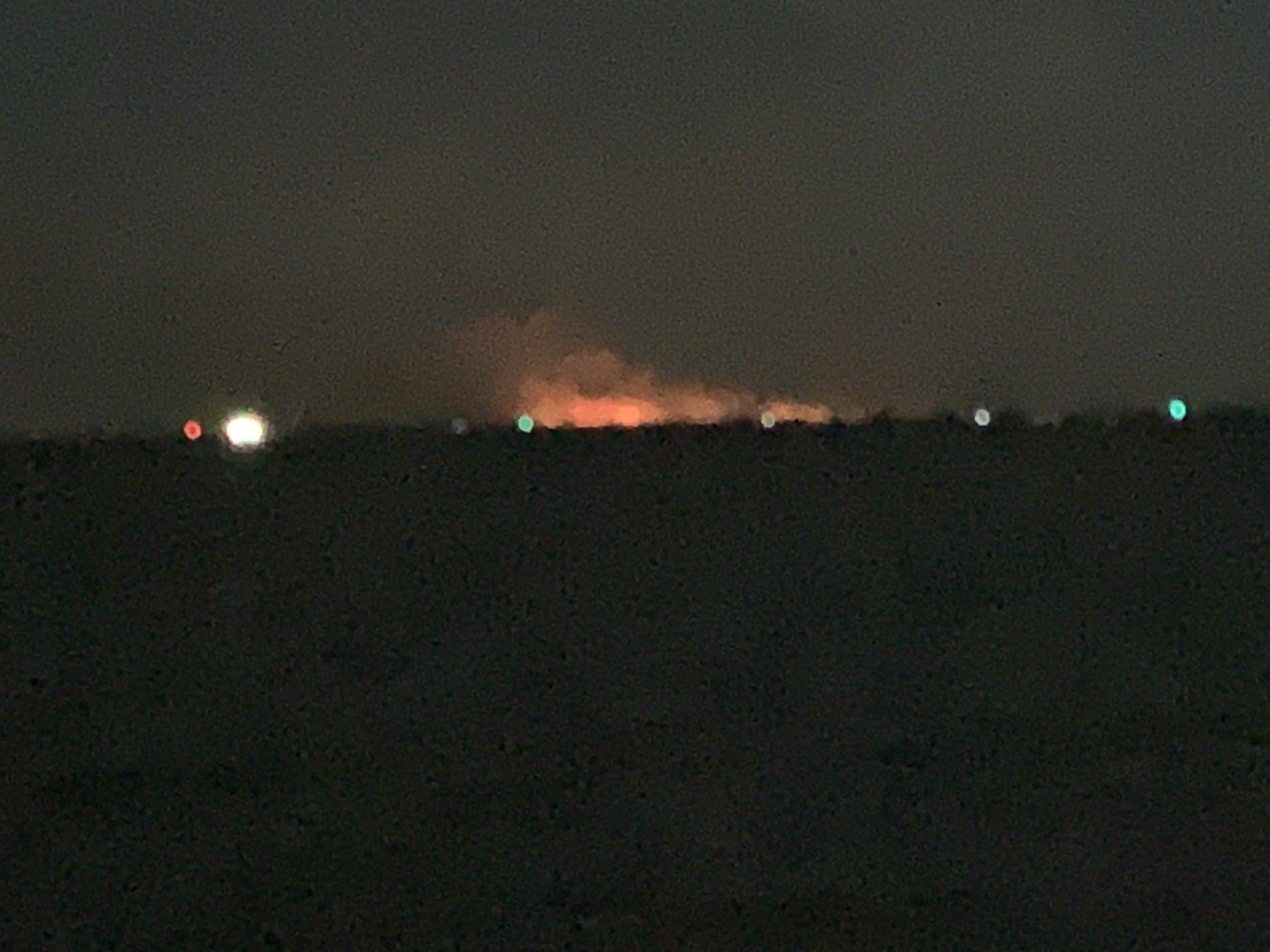
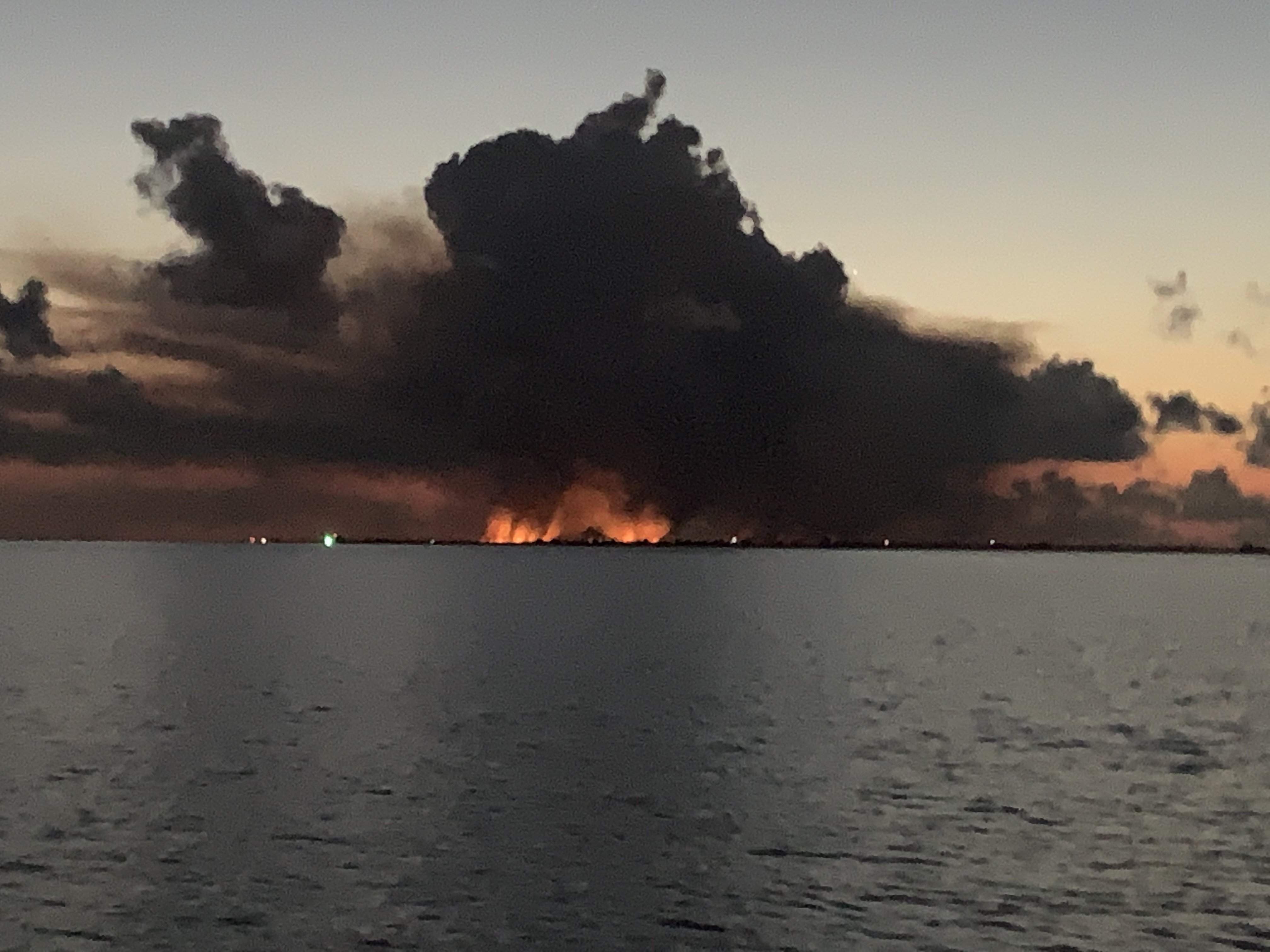
Called my shot The fishing was outstanding on Monday. We waded the bay and got a nice limit and kept fishing. The bite was strong during the midday major (moon underfoot) Then it got better. We hit the same bay spot and picked up a few and then went to the surf and filled the cooler with a bunch of fat trout 22-24. Here are pics of the fires on Big Island, apparently started by kids shooting tracer rounds. and a pic of the surf @Mac8111 will update with the Wednesday fishing report. He has the coordinates.
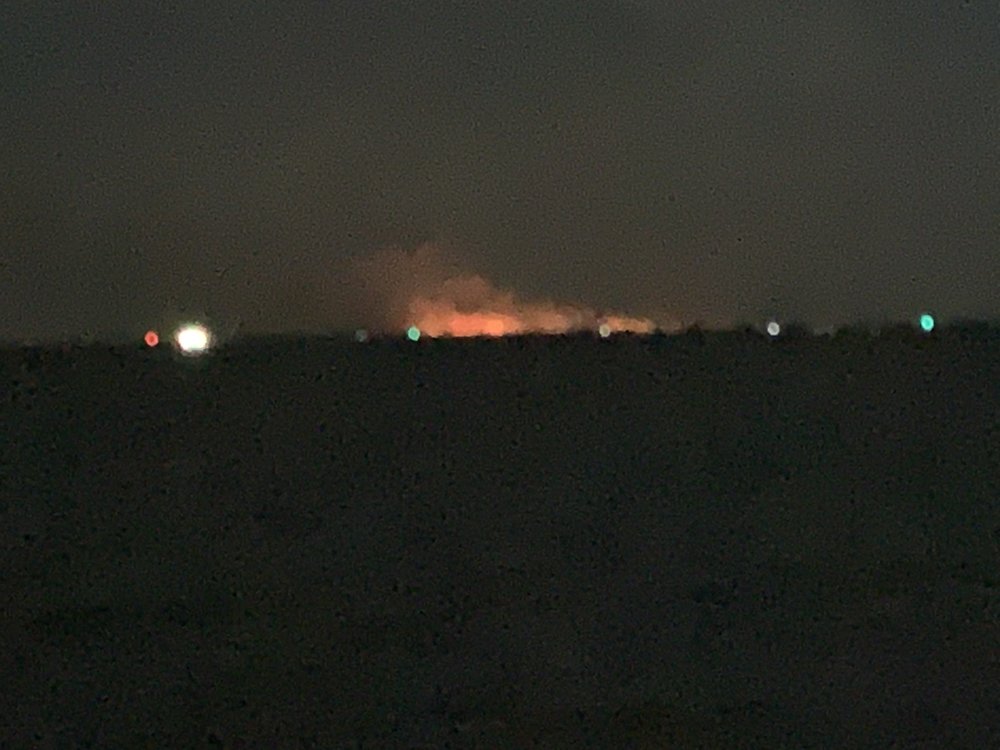
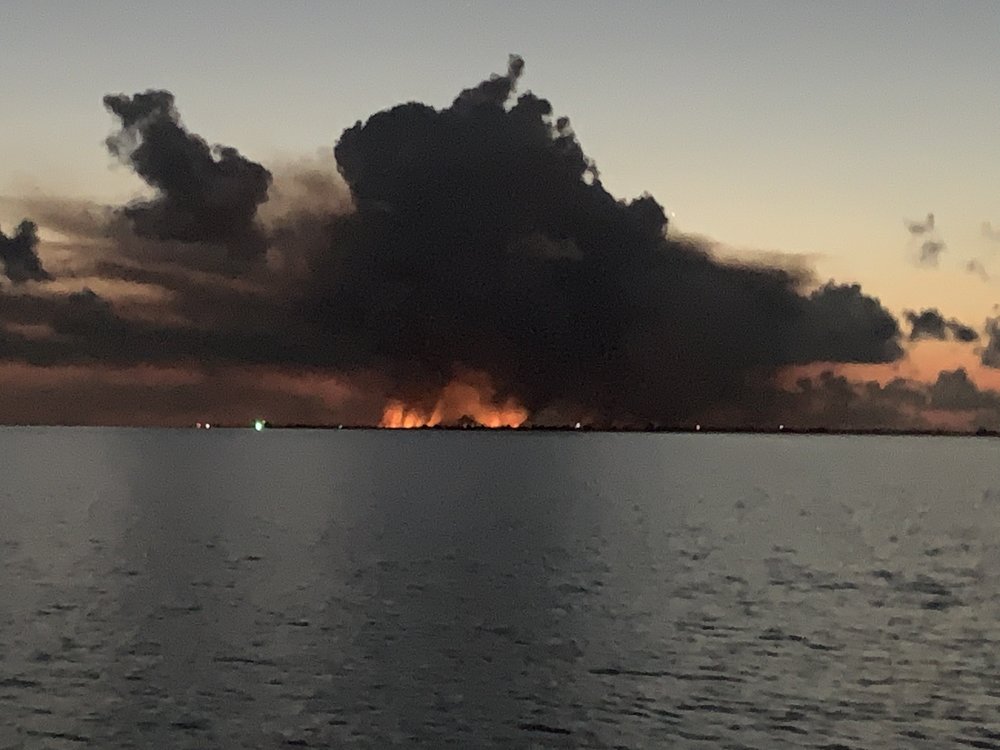

-
Report: there are heavily armed boogaloo (look it up) members along with lots of protesters. It’s getting rough down there. LE is making a lot of arrests.
-
Abbreviation for highway patrol aka troopers.
-
I have a friend who is THP. He’s on the front line right now. They brought in 800 troopers.
-
Here is the law. I have boldfaced what I believe will be the contested issues that will be submitted in the jury charge. I've struck thru the things that I believe will not be relevant NOTE: first of all, use of force or deadly force for self defense is a "defense" under the TPC Ch 9, therefore this law applies: Sec. 2.03. DEFENSE. (a) A defense to prosecution for an offense in this code is so labeled by the phrase: "It is a defense to prosecution . . . ." (b) The prosecuting attorney is not required to negate the existence of a defense in the accusation charging commission of the offense. (c) The issue of the existence of a defense is not submitted to the jury unless evidence is admitted supporting the defense. (d) If the issue of the existence of a defense is submitted to the jury, the court shall charge that a reasonable doubt on the issue requires that the defendant be acquitted. NOTE: So the state has to disprove, beyond a reasonable doubt, that the defense does not apply. This is a huge hurdle for the state, who has to prove their case beyond a reasonable doubt, and then disprove the defense beyond a reasonable doubt. NOTE: if there was a passenger in the car, he will also likely get a jury charge on deadly force to protect a third party Sec. 9.31. SELF-DEFENSE. (a) Except as provided in Subsection (b), a person is justified in using force against another when and to the degree the actor reasonably believes the force is immediately necessary to protect the actor against the other's use or attempted use of unlawful force. NOTE: the above clause of section (a) is the general rule, and within it is a presumption that is submitted in the jury charge if there is some evidence of it. If the state fails to eliminate reasonable doubt as to one of the elements (1-3) below the jury must follow the presumption, and presume the actor’s belief that the force used was immediately necessary was reasonable. This is huge in a self defense case. If the jury has reasonable doubt whether these circumstances existed, it is devastating for the state’s case. (section (a), cont’d) The actor's belief that the force was immediately necessary as described by this subsection is presumed to be reasonable if the actor: (1) knew or had reason to believe that the person against whom the force was used: (A) unlawfully and with force entered, or was attempting to enter unlawfully and with force, the actor's occupied habitation, vehicle, or place of business or employment; or (B) unlawfully and with force removed, or was attempting to remove unlawfully and with force, the actor from the actor's habitation, vehicle, or place of business or employment; or (C) was committing or attempting to commit aggravated kidnapping, murder, sexual assault, aggravated sexual assault, robbery, or aggravated robbery; (2) did not provoke the person against whom the force was used; and (3) was not otherwise engaged in criminal activity, other than a Class C misdemeanor that is a violation of a law or ordinance regulating traffic at the time the force was used. NOTE: the use of force may not be justified under certain circumstances in this case and there will be a jury charge on this issue. If the state can prove, beyond a reasonable doubt, that one of these circumstances existed, then it is a huge win for the state. (b) The use of force against another is not justified: (1) in response to verbal provocation alone; (2) to resist an arrest or search that the actor knows is being made by a peace officer, or by a person acting in a peace officer's presence and at his direction, even though the arrest or search is unlawful, unless the resistance is justified under Subsection (c); (3) if the actor consented to the exact force used or attempted by the other; (4) if the actor provoked the other's use or attempted use of unlawful force, unless: (A) the actor abandons the encounter, or clearly communicates to the other his intent to do so reasonably believing he cannot safely abandon the encounter; and (B) the other nevertheless continues or attempts to use unlawful force against the actor; or (5) if the actor sought an explanation from or discussion with the other person concerning the actor's differences with the other person while the actor was: (A) carrying a weapon in violation of Section 46.02; or (B) possessing or transporting a weapon in violation of Section 46.05. (d) The use of deadly force is not justified under this subchapter except as provided in Sections 9.32, 9.33, and 9.34. NOTE: The above is the rule for use of force for self defense, not the use of deadly force for self defense which is in 9.32, so we have to look at 9.32 as well due to 9.31(d) and 9.32(a)(1). Sec. 9.32. DEADLY FORCE IN DEFENSE OF PERSON. NOTE: section (a) is the general rule on deadly force. (a) A person is justified in using deadly force against another: (1) if the actor would be justified in using force against the other under Section 9.31; and (2) when and to the degree the actor reasonably believes the deadly force is immediately necessary: (A) to protect the actor against the other's use or attempted use of unlawful deadly force; or (B) to prevent the other's imminent commission of aggravated kidnapping, murder, sexual assault, aggravated sexual assault, robbery, or aggravated robbery. NOTE: the same “presumed reasonable if…” elements that we looked at in 9.31 above also apply in 9.32 below. (b) The actor's belief under Subsection (a)(2) that the deadly force was immediately necessary as described by that subdivision is presumed to be reasonable if the actor: (1) knew or had reason to believe that the person against whom the deadly force was used: (A) unlawfully and with force entered, or was attempting to enter unlawfully and with force, the actor's occupied habitation, vehicle, or place of business or employment; (B) unlawfully and with force removed, or was attempting to remove unlawfully and with force, the actor from the actor's habitation, vehicle, or place of business or employment; or (C) was committing or attempting to commit an offense described by Subsection (a)(2)(B); (2) did not provoke the person against whom the force was used; and (3) was not otherwise engaged in criminal activity, other than a Class C misdemeanor that is a violation of a law or ordinance regulating traffic at the time the force was used. NOTE: similarly, section (c) and (d) in 9.32 is the same as 9.31(e) and (f) and creates an instruction for the jury, where applicable (c) A person who has a right to be present at the location where the deadly force is used, who has not provoked the person against whom the deadly force is used, and who is not engaged in criminal activity at the time the deadly force is used is not required to retreat before using deadly force as described by this section. (d) For purposes of Subsection (a)(2), in determining whether an actor described by Subsection (c) reasonably believed that the use of deadly force was necessary, a finder of fact may not consider whether the actor failed to retreat. NOTE: if the state fails to disprove this beyond a reasonable doubt, the jury gets an instruction that they shall not consider whether the actor failed to retreat in determining whether the actor reasonably believed that deadly force was immediately necessary under the circumstances.
-
They’re good. They have done high profile cases. Like Waco bikers. maybe they are not the best at proofreading press releases though.... Totally agree