

washparkhorn
Legacy Members
-
Joined
-
Last visited
Everything posted by washparkhorn
-
 But, of course . . .
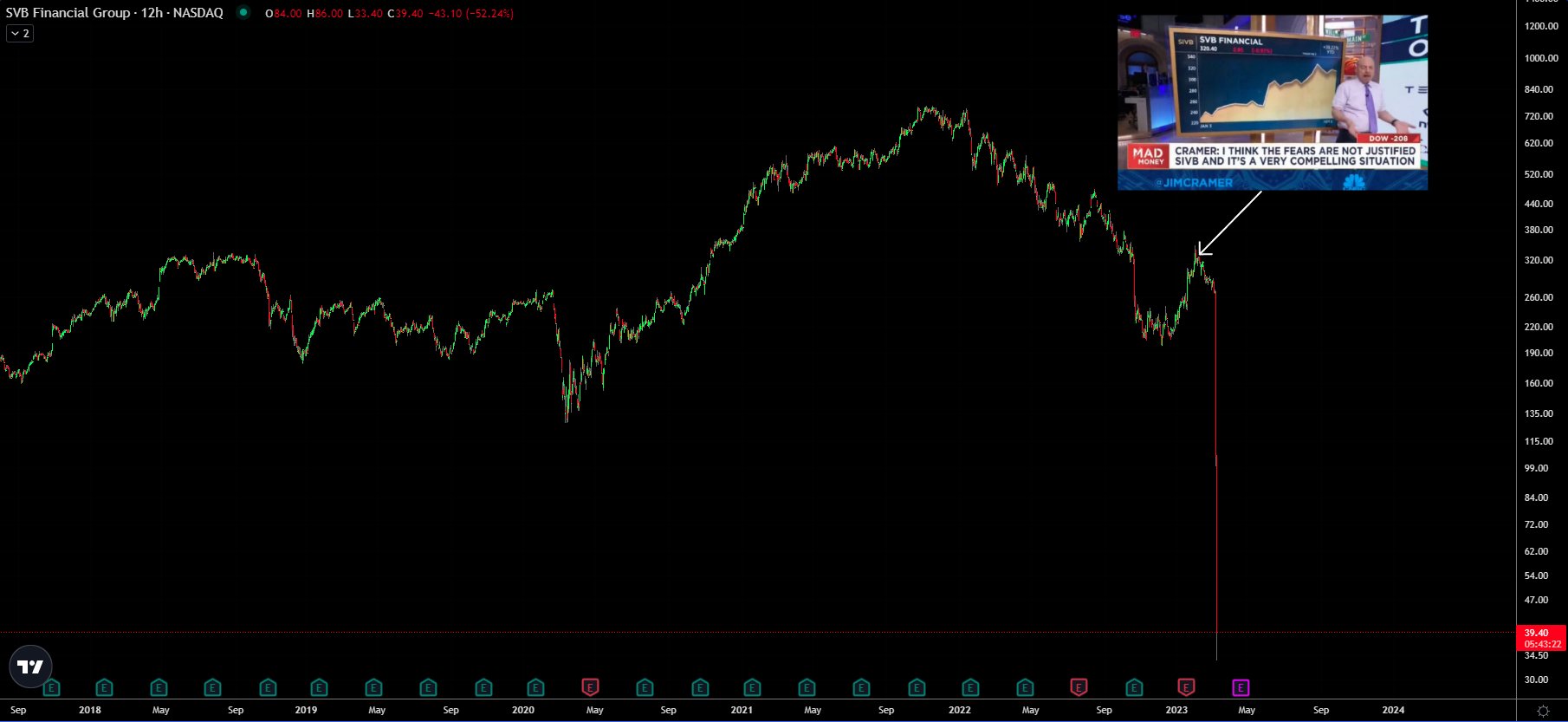
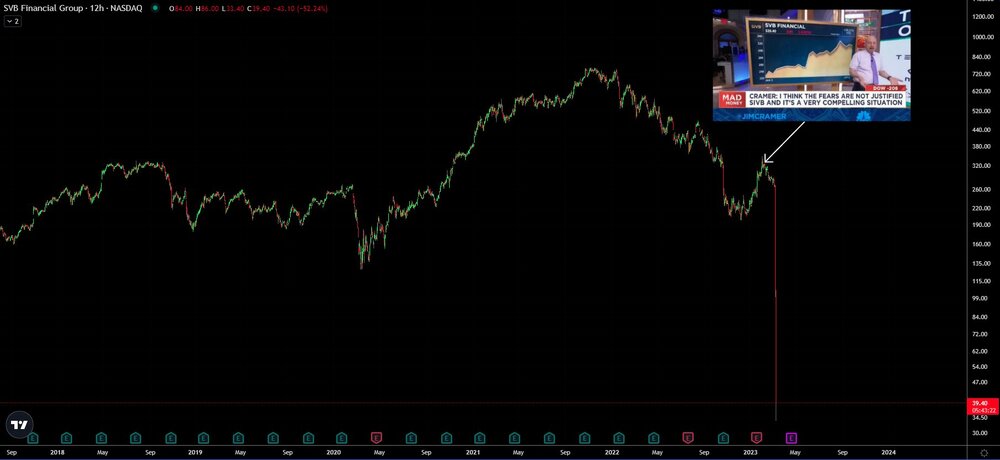 It appears mElon is the living embodiment of the Waluigi Effect (one’s unconscious beliefs are as strong as the effort to suppress them).
 Things go wrong quickly when the flow of Spice slows — Bene Gesserit Witch, probably.
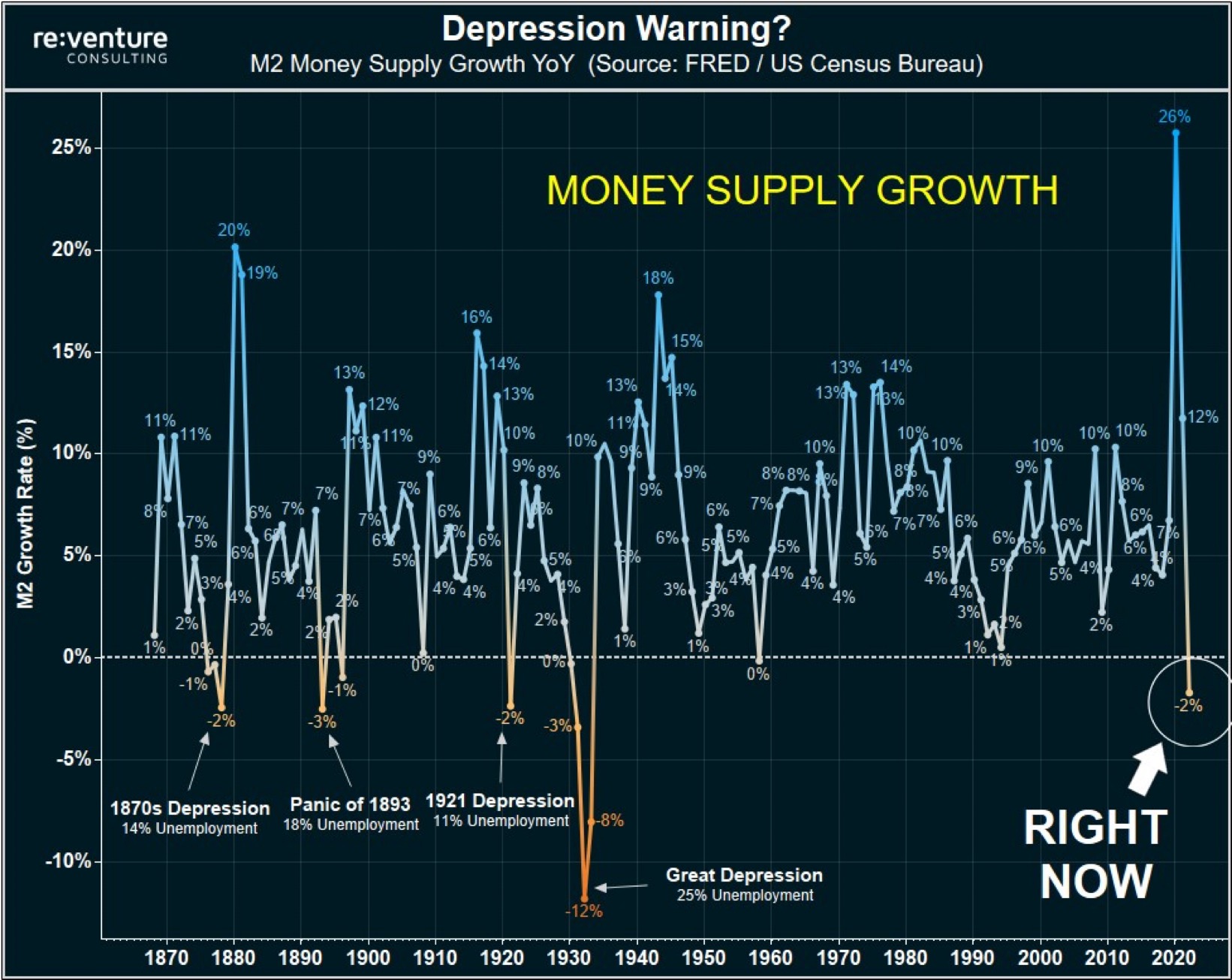
Thanks to the Fed’s QT, the money supply is shrinking. Despite this, inflation continues. And shrinking the money supply (as the Fed is currently doing) has historically created unintended consequences:
Things go wrong quickly when the flow of Spice slows — Bene Gesserit Witch, probably.
Thanks to the Fed’s QT, the money supply is shrinking. Despite this, inflation continues. And shrinking the money supply (as the Fed is currently doing) has historically created unintended consequences:
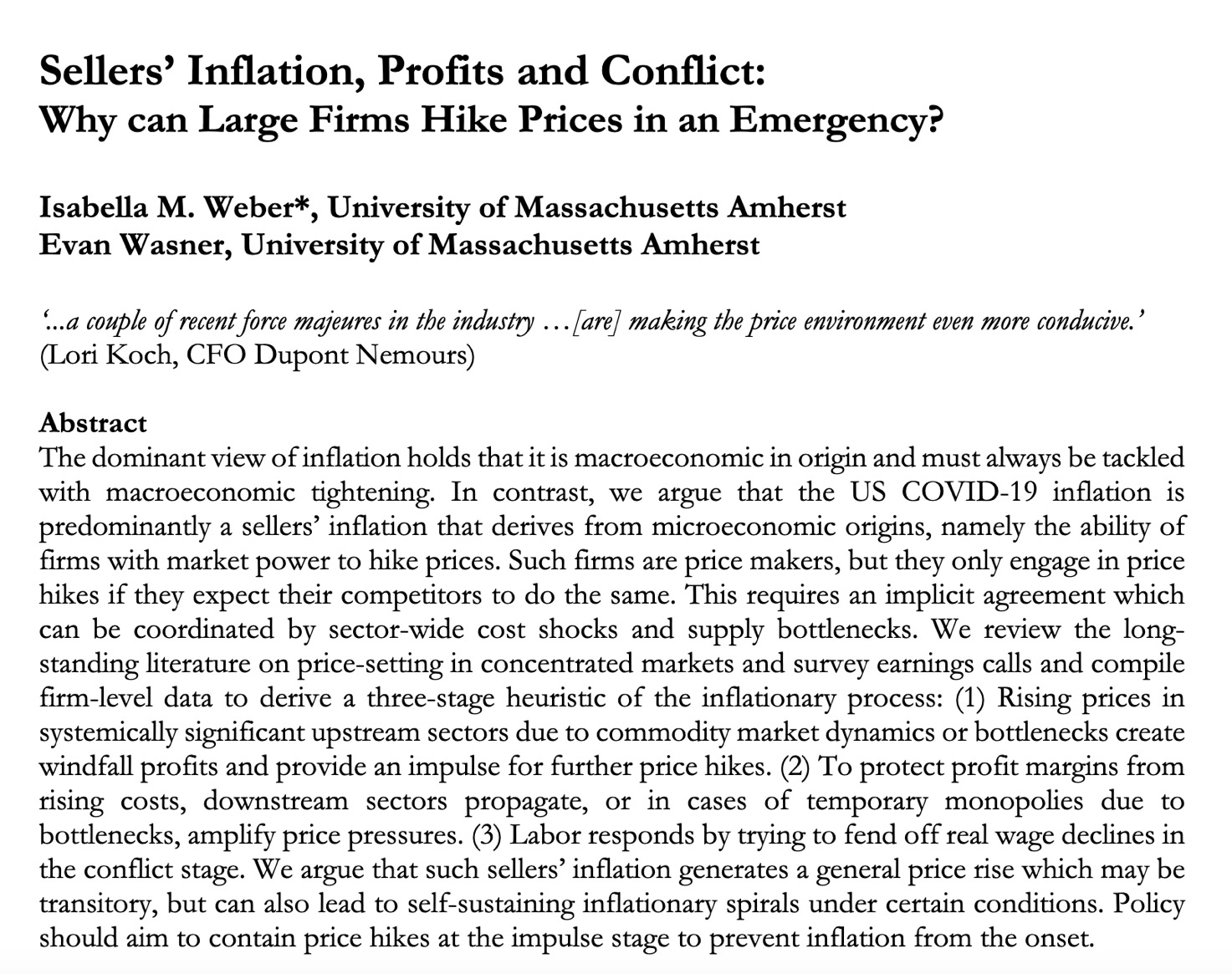
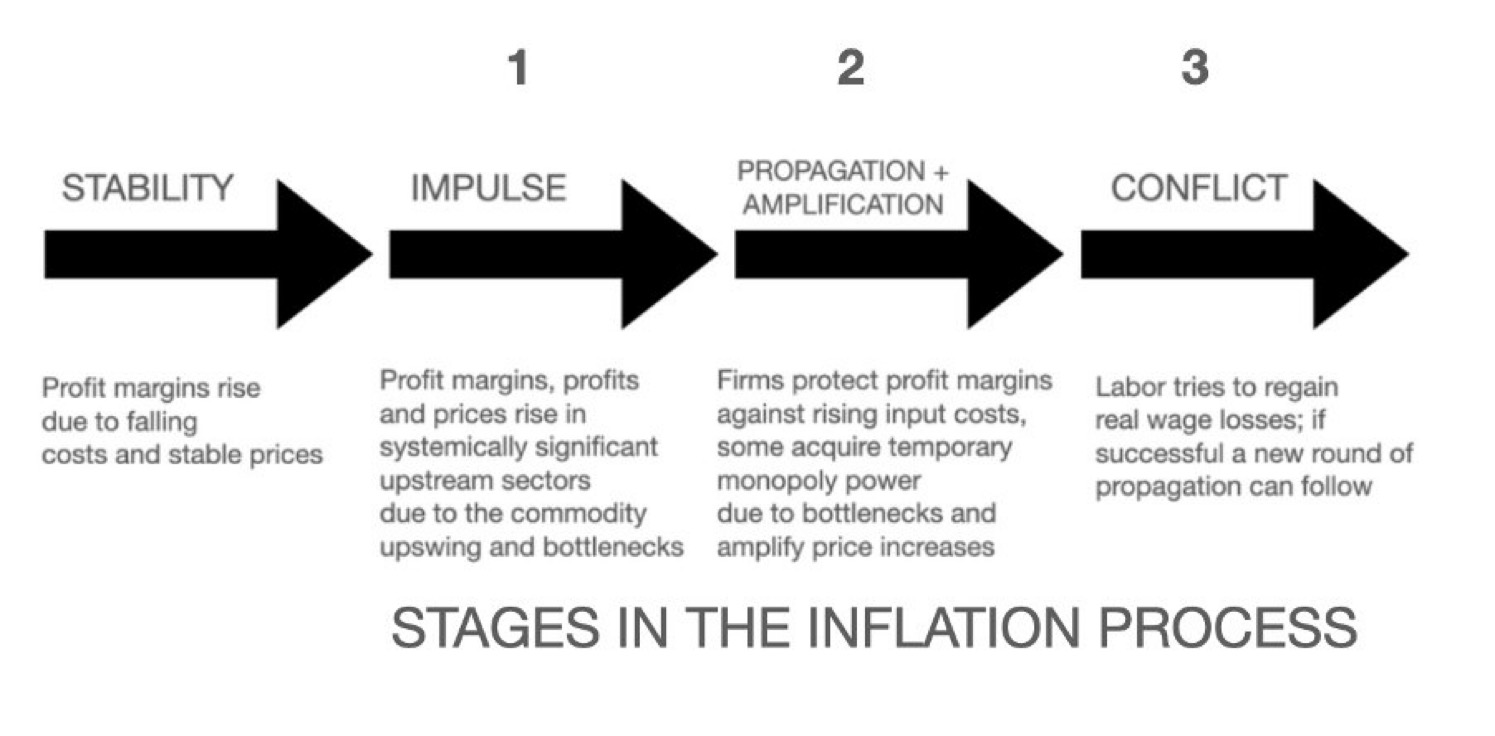
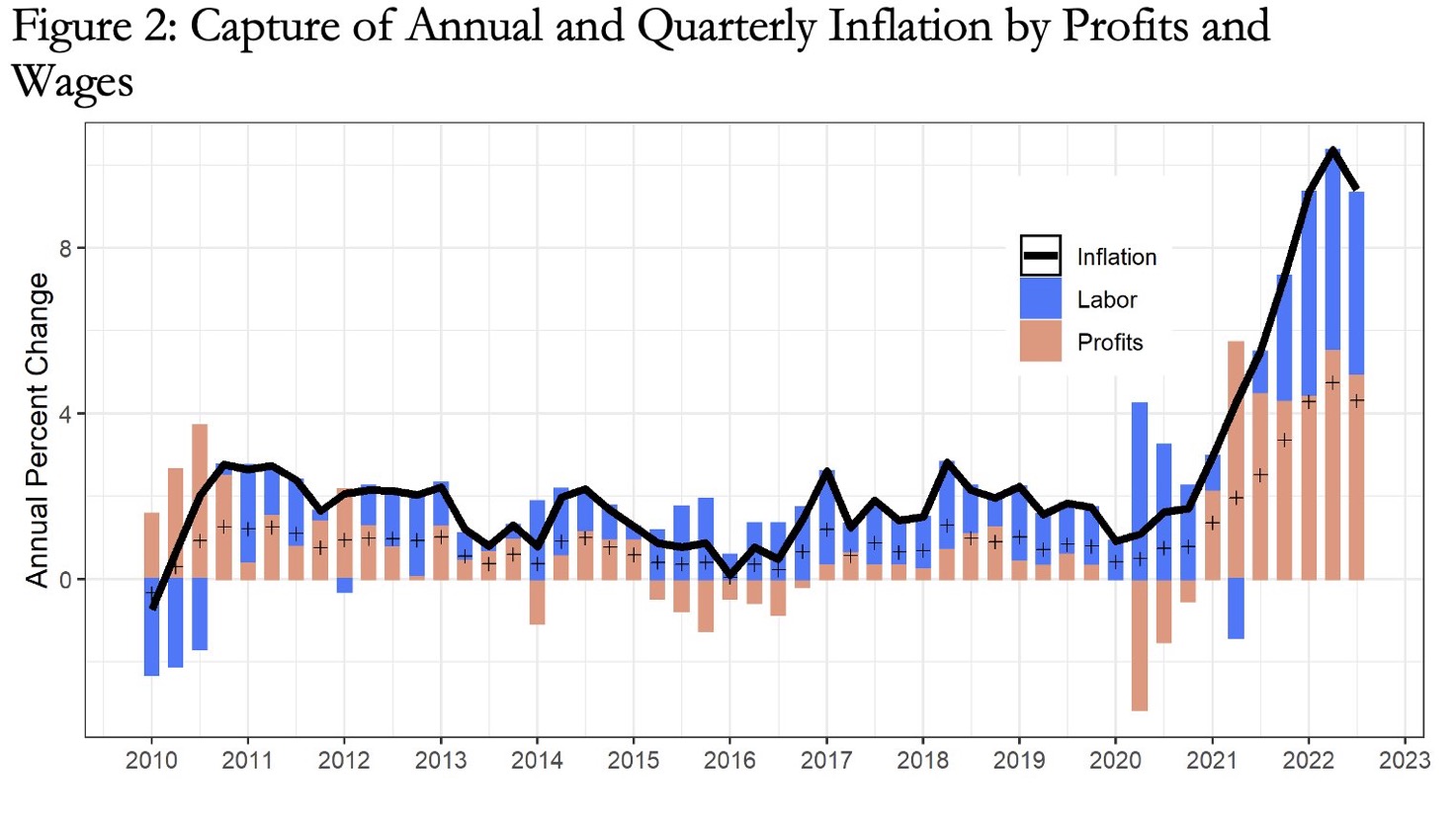
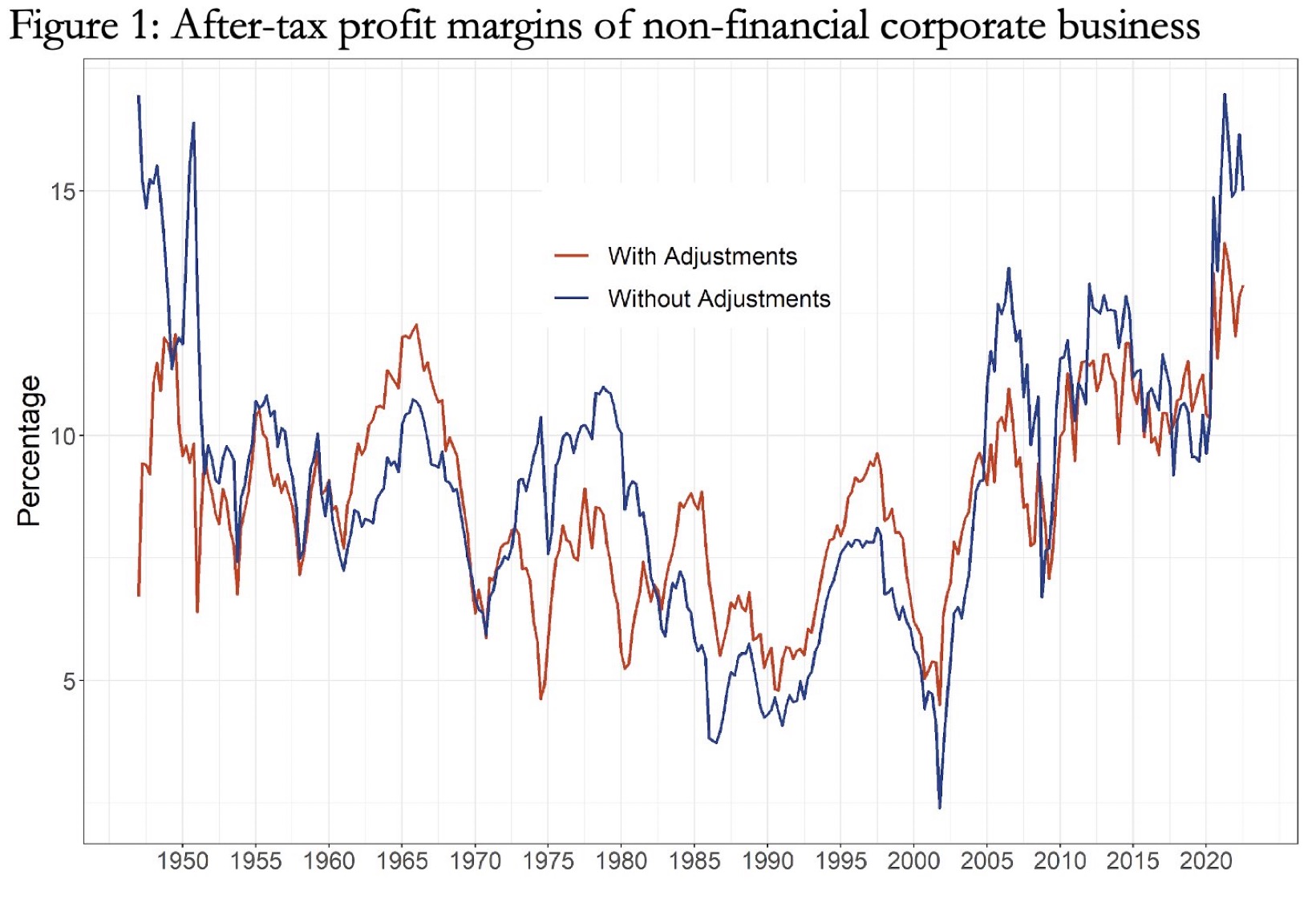
 Inflation characteristics following Black Swan shocks when markets are dominated by few firms: https://scholarworks.umass.edu/econ_workingpaper/343/


 You want to see something scary? Welcome to AI reading your mind. We need guardrails, but the global competing in this area assures the our machine overlords are past the point of conception.
I have now seen all of the films nominated for Best Picture, except Women Talking (looking forward to that film). Some excellent films nominated, but The Whale is the best picture In my humble opinion. Aronofsky at his best; fine acting by all, and wonderful writing by Samuel Hunter. It should have been nominated.
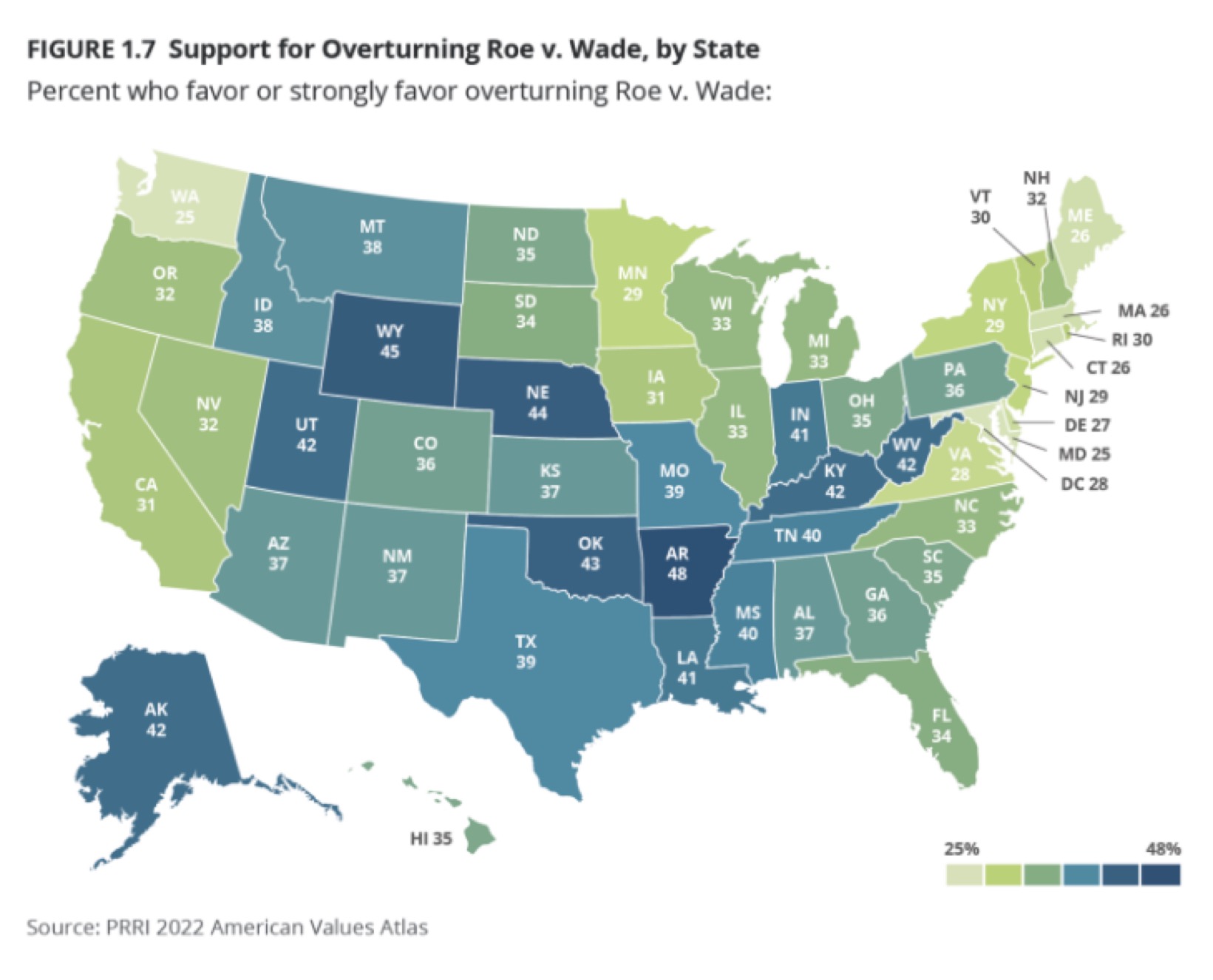
Some surprising numbers when breaking down by state (e.g., more in Colorado support the overturning of Roe than South Carolina), but large majority of Americans want abortion to be safe and legal. https://www.prri.org/research/abortion-attitudes-in-a-post-roe-world-findings-from-the-50-state-2022-american-values-atlas/
You want to see something scary? Welcome to AI reading your mind. We need guardrails, but the global competing in this area assures the our machine overlords are past the point of conception.
I have now seen all of the films nominated for Best Picture, except Women Talking (looking forward to that film). Some excellent films nominated, but The Whale is the best picture In my humble opinion. Aronofsky at his best; fine acting by all, and wonderful writing by Samuel Hunter. It should have been nominated.
Some surprising numbers when breaking down by state (e.g., more in Colorado support the overturning of Roe than South Carolina), but large majority of Americans want abortion to be safe and legal. https://www.prri.org/research/abortion-attitudes-in-a-post-roe-world-findings-from-the-50-state-2022-american-values-atlas/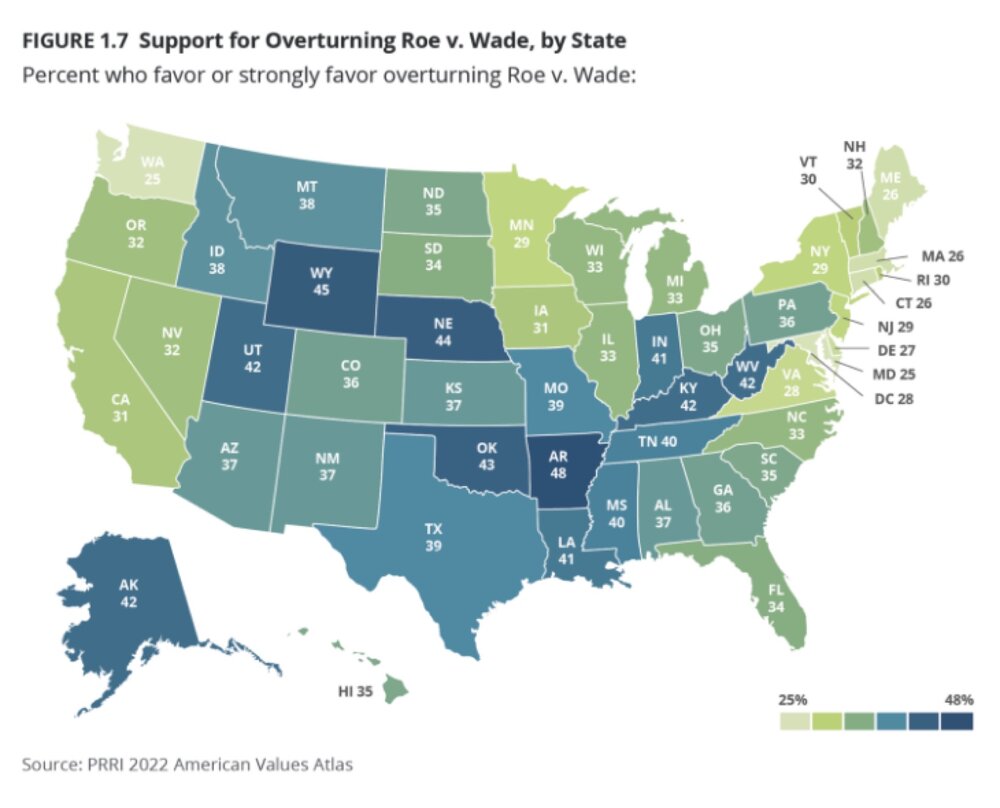 Noah - get the boat!
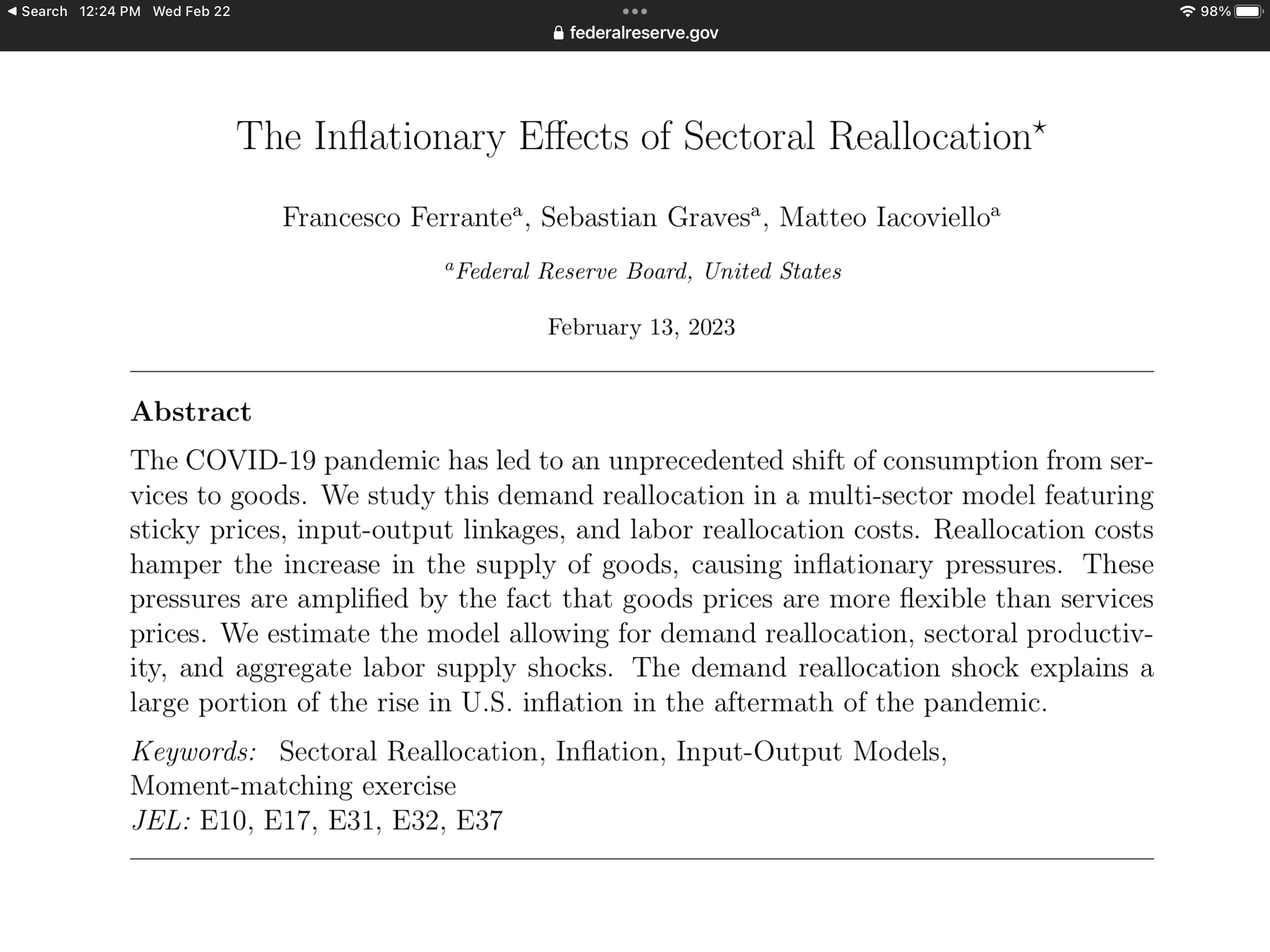
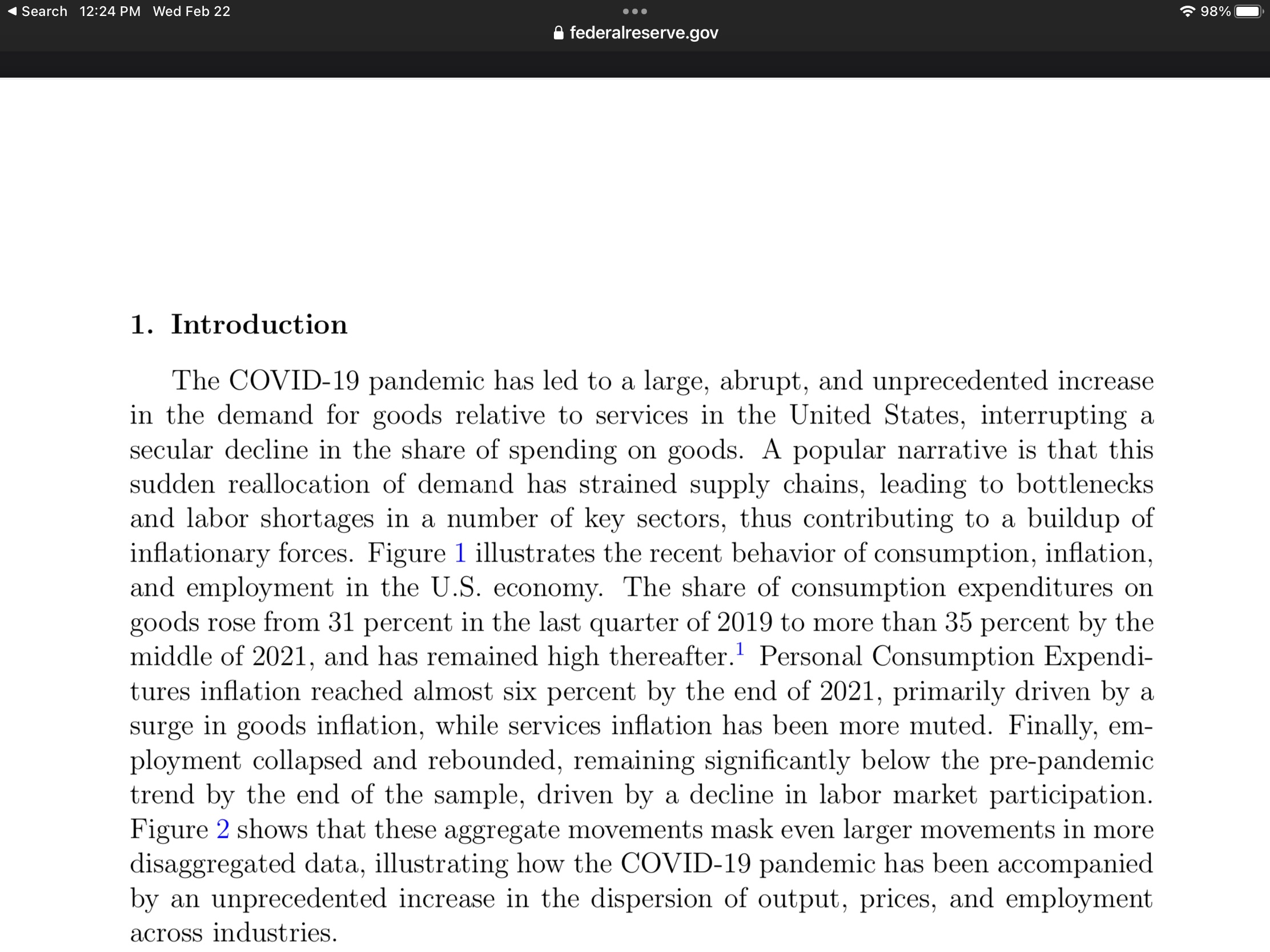
Best explanation so far from the Fed. New Fed publication - the inflationary effects of sectoral reallocation from services to goods with Covid-19: https://www.federalreserve.gov/econres/ifdp/the-inflationary-effects-of-sectoral-reallocation.htm
Noah - get the boat!
Best explanation so far from the Fed. New Fed publication - the inflationary effects of sectoral reallocation from services to goods with Covid-19: https://www.federalreserve.gov/econres/ifdp/the-inflationary-effects-of-sectoral-reallocation.htm
 I would prefer she remain out of the media, but it is what it is. She should consider security given the loony nature of most trumpers.
Housing price inflation in one chart. Peaked in April 2022 at 2.74 trillion.
Gibson’s Paradox says hold my beer. The Quantity Theory of Money predicts that there should be a positive correlation between the general price level and the supply of money, but a negative correlation between the general price level and the real interest rate. However, Gibson's Paradox refers to the historical observation of a positive correlation between interest rates and prices (i.e. a rise in interest rates creates inflation), which is contrary to the negative correlation predicted by the Quantity Theory of Money. The Fed is hoping the paradox is transitory.
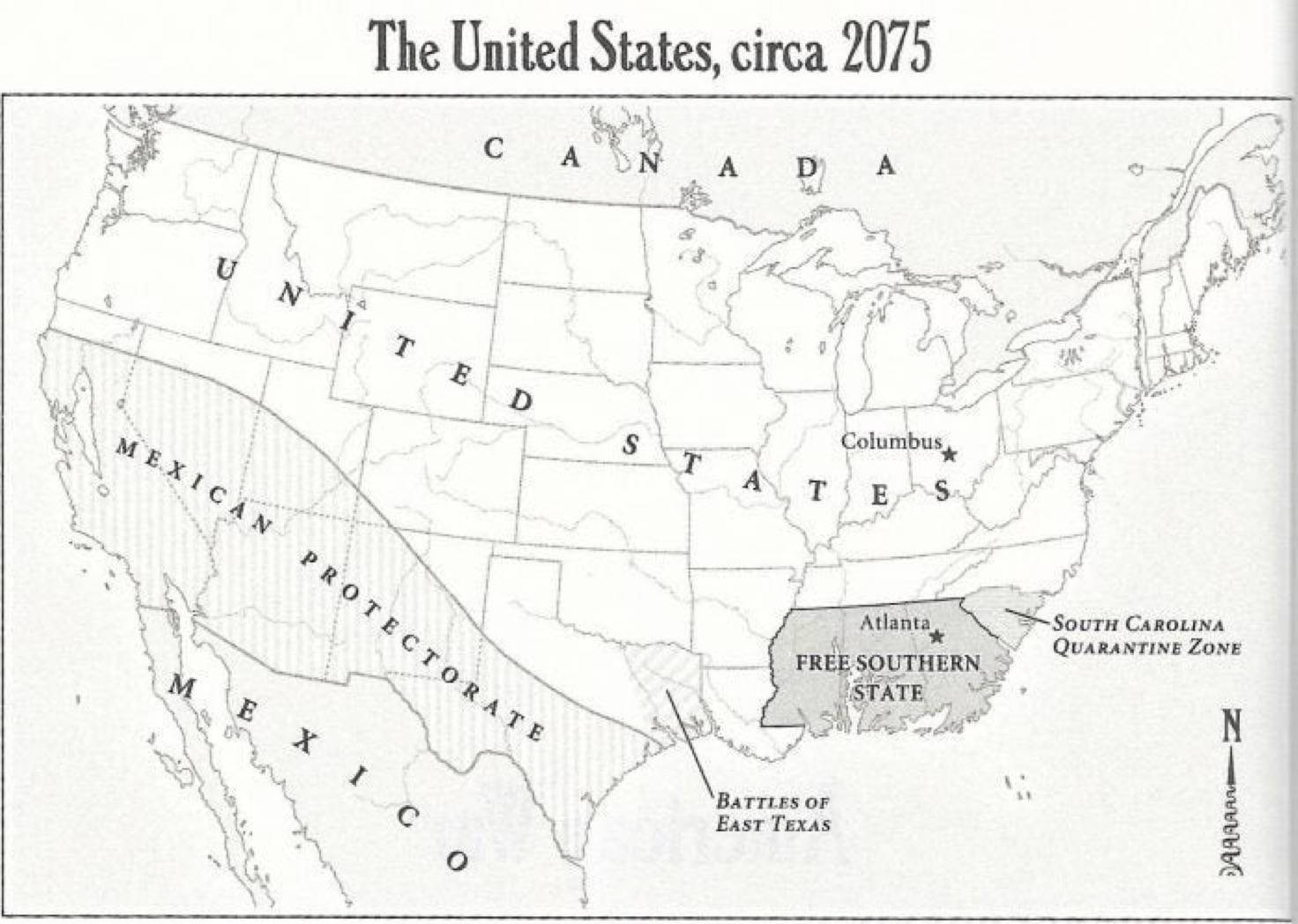
Who does it better—Ohio or Jupiter?
I would prefer she remain out of the media, but it is what it is. She should consider security given the loony nature of most trumpers.
Housing price inflation in one chart. Peaked in April 2022 at 2.74 trillion.
Gibson’s Paradox says hold my beer. The Quantity Theory of Money predicts that there should be a positive correlation between the general price level and the supply of money, but a negative correlation between the general price level and the real interest rate. However, Gibson's Paradox refers to the historical observation of a positive correlation between interest rates and prices (i.e. a rise in interest rates creates inflation), which is contrary to the negative correlation predicted by the Quantity Theory of Money. The Fed is hoping the paradox is transitory.
Who does it better—Ohio or Jupiter?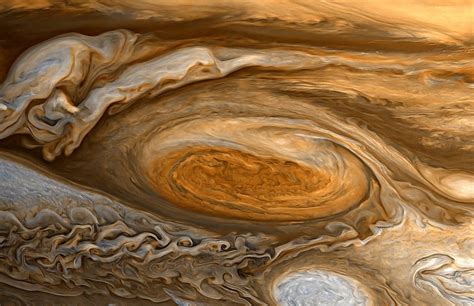 Don’t let the door hit you on your way out . . .
Ouch. The Economic Progressives are getting surly with Joe and the Mayor.
Don’t let the door hit you on your way out . . .
Ouch. The Economic Progressives are getting surly with Joe and the Mayor. Agree. hucklebe-sanders was channeling Bobby Jindal with that speech.Football ... Basketball ... Baseball ... Other Sports ... Futbol ... 🤫995🤫 ... Gambling ... Movies & TV ... Music ... Hobbies ... Lulz ... Food & Travel ... Daily Texan ... Business & Markets ... Cloak Room ... Help ... For Sale ... Board Discussion ... Advertise... Tailgate Donations











Account
Search
Configure browser push notifications
Chrome (Android)
- Tap the lock icon next to the address bar.
- Tap Permissions → Notifications.
- Adjust your preference.
Chrome (Desktop)
- Click the padlock icon in the address bar.
- Select Site settings.
- Find Notifications and adjust your preference.
Safari (iOS 16.4+)
- Ensure the site is installed via Add to Home Screen.
- Open Settings App → Notifications.
- Find your app name and adjust your preference.
Safari (macOS)
- Go to Safari → Preferences.
- Click the Websites tab.
- Select Notifications in the sidebar.
- Find this website and adjust your preference.
Edge (Android)
- Tap the lock icon next to the address bar.
- Tap Permissions.
- Find Notifications and adjust your preference.
Edge (Desktop)
- Click the padlock icon in the address bar.
- Click Permissions for this site.
- Find Notifications and adjust your preference.
Firefox (Android)
- Go to Settings → Site permissions.
- Tap Notifications.
- Find this site in the list and adjust your preference.
Firefox (Desktop)
- Open Firefox Settings.
- Search for Notifications.
- Find this site in the list and adjust your preference.